
Unexplained Weight Loss, Constant Itching, or Back Pain? These Signs May Mean More Than You Think
Unintentional weight loss, ongoing skin itching, or a nagging ache in your back can feel like everyday problems. But in some cases, they may be subtle warning signals worth taking seriously.
Pancreatic cancer is often referred to as a “silent killer” because it can grow for a long time without obvious symptoms. By the time clear signs appear, the disease may already be advanced—making treatment options more limited and reducing survival chances. Early changes such as mild fatigue, small shifts in weight, or occasional digestive discomfort are frequently dismissed as stress, aging, or diet-related issues.
But what if those “minor” symptoms are actually your body trying to alert you?
Many people only realize something is seriously wrong once symptoms become hard to ignore. Learning to recognize early clues can be critical. Below is a less-discussed group of signs that may change how you interpret persistent changes in your body.
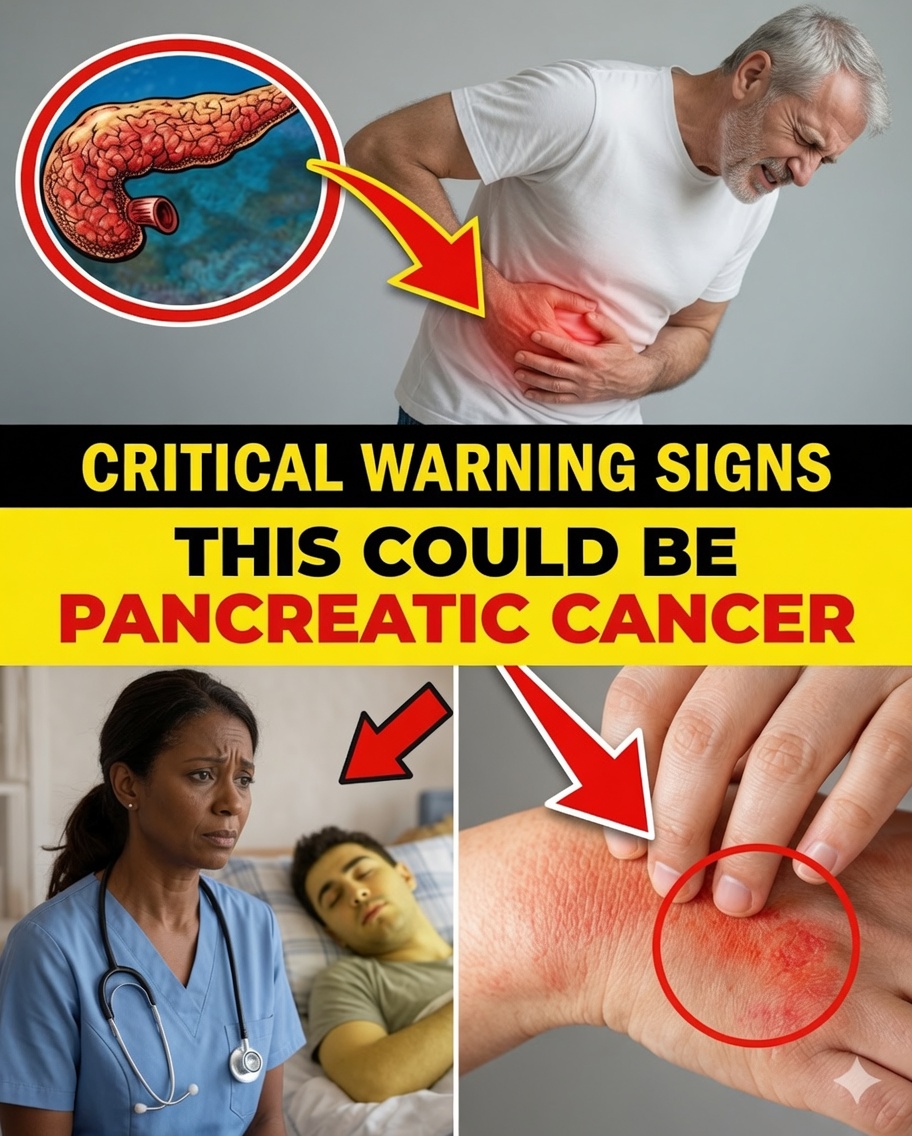
The Silent Threat: Why Pancreatic Cancer Often Goes Unnoticed
In its early stages, pancreatic tumors usually don’t cause strong, specific symptoms. When signs finally become noticeable, the cancer may already have grown significantly or spread. That’s why early indicators are commonly mistaken for typical problems like indigestion, fatigue, or normal weight fluctuation.
These symptoms can happen because a tumor may disrupt digestion, metabolism, hormone balance, or nearby structures. Paying attention to changes that persist—rather than come and go—can help you seek medical guidance sooner.
10 Possible Warning Signs to Watch For
1. Jaundice: Subtle Yellowing of Skin or Eyes
One of the best-known signs is jaundice, when the skin or the whites of the eyes take on a yellow tint. This can happen when a tumor—often in the head of the pancreas—blocks the bile duct, causing bilirubin to build up in the body.
Early jaundice may be faint. It may also appear alongside:
- Itchy skin
- Dark urine
- Pale or light-colored stool
2. Unexplained Weight Loss
Losing weight without changing your diet or activity level is an important red flag. Cancer can alter metabolism and reduce the body’s ability to absorb nutrients properly.
As a general guideline, losing 5% to 10% of body weight within a few months, especially with reduced appetite, deserves prompt attention.
3. Upper Abdominal Pain That Radiates to the Back
A persistent ache in the upper abdomen that spreads into the middle back is frequently reported. It may worsen after eating or when lying down.
This discomfort is often confused with:
- Digestive upset
- Muscle strain
- Poor posture
4. Changes in Stool and Digestion
Stool that is pale, bulky, greasy, or floating may signal trouble digesting fats due to reduced pancreatic enzymes.
Other digestive shifts can include:
- Bloating
- Diarrhea
- Constipation
5. Sudden Loss of Appetite or Getting Full Quickly
Feeling full after small meals or losing interest in food without a clear reason may occur if a tumor affects hunger-related hormones or presses against the stomach.
This often contributes directly to unintended weight loss.
6. New-Onset Diabetes After Age 50
A sudden diabetes diagnosis in someone over 50, especially without a family history or obvious risk factors, can be a warning sign worth investigating.
Pancreatic tumors may interfere with the cells responsible for producing insulin.
7. Persistent Itching With No Clear Cause
Intense skin itching—often worse at night—can happen when bile salts build up in the bloodstream due to bile duct blockage.
Unlike many allergic reactions, this itching may occur:
- Without a rash
- Without visible spots or hives
8. Extreme, Unrelenting Fatigue
Severe fatigue that doesn’t improve with rest can be linked to inflammation, nutritional deficiencies, or the body’s increased energy demands while fighting disease.
This is typically different from normal day-to-day tiredness.
9. Unexpected Blood Clots
Blood clots that occur without a clear trigger (such as deep vein thrombosis in the leg) may be associated with several cancers, including pancreatic cancer.
Possible symptoms include:
- Leg pain
- Swelling
- Redness or warmth
10. Dark Urine and Pale Stool
When bile flow is disrupted, urine may become noticeably darker while stool becomes lighter. This combination can point to bile duct obstruction and is one of the more visible symptom patterns.
Why Symptom Combinations Matter
These warning signs often don’t appear alone. The concern increases when two or more occur together—for example:
- Jaundice plus itching
- Weight loss plus loss of appetite
- Abdominal/back pain plus newly diagnosed diabetes
Noticing persistent patterns can help you take action earlier.
What You Can Do Now
If you’ve noticed ongoing changes, consider these steps:
- Track symptoms over the next few weeks
- Monitor weight, energy levels, and digestion
- Pay attention to the color of your skin, eyes, urine, and stool
- Seek medical evaluation if symptoms last longer than two weeks or worsen
Earlier detection can significantly improve the chances of more effective treatment.
Conclusion: Pay Attention to Quiet Signals From Your Body
Pancreatic cancer doesn’t always announce itself clearly. In many cases, it shows up through subtle, persistent changes that are easy to overlook. Taking these signals seriously—and acting promptly—may make a meaningful difference.
Your body often speaks quietly. Learning to listen can help protect your long-term health.
Disclaimer
This article is for informational purposes only and is not a substitute for professional medical advice. Always consult a qualified healthcare provider for proper evaluation and diagnosis.