Bay Leaf and Wellness: What Research Really Suggests
Cancer continues to be one of the most serious health challenges worldwide, affecting millions of people and leading many to explore natural ways to support well-being and lower health risks where they can. Still, it is important to stay realistic: no herb, spice, or single food can prevent cancer on its own.
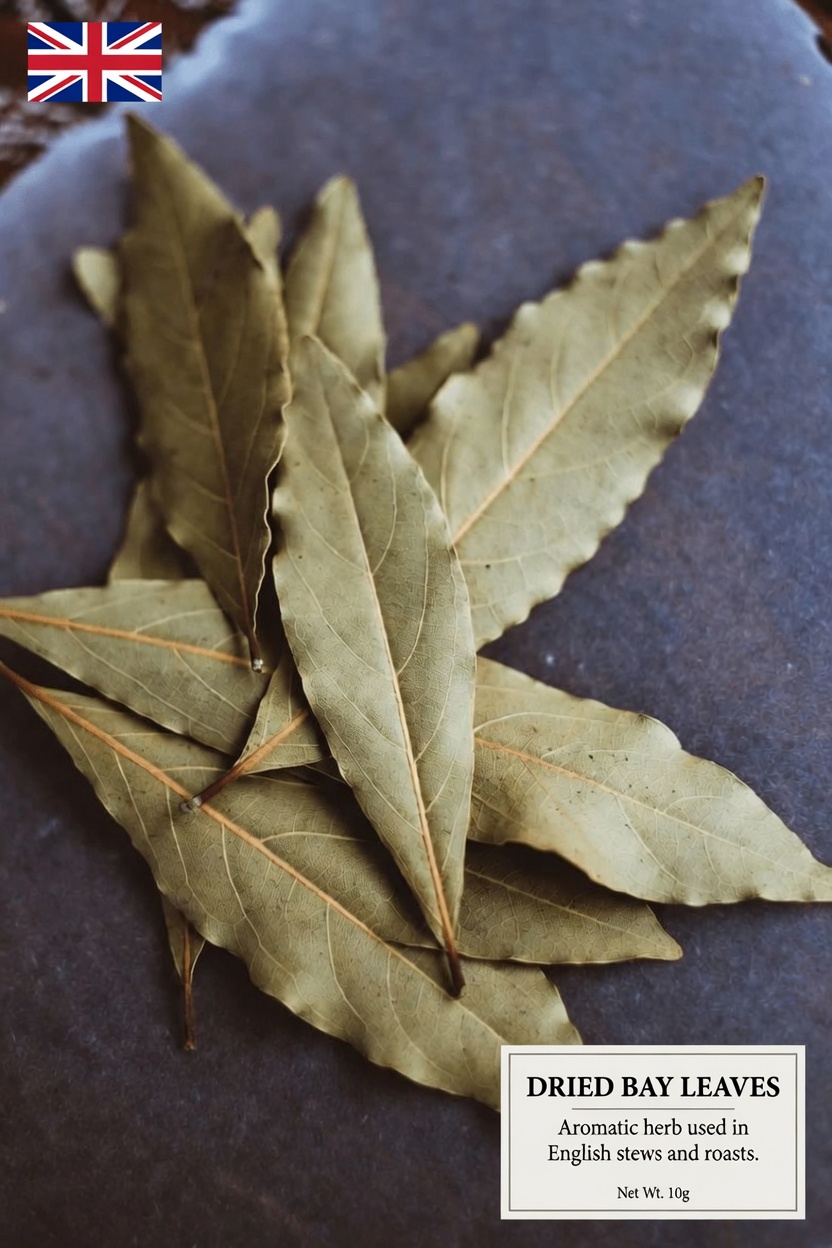
One kitchen staple that has attracted growing attention is bay leaf (Laurus nobilis), a fragrant herb widely used in cuisines around the world. Beyond its role in cooking, bay leaf has a long history in traditional practices, and modern researchers are now examining its plant compounds for possible health-supporting properties.
This article looks at what current science says about bay leaf, including its nutrients, antioxidant effects, early research findings, and how it may fit into a healthy lifestyle without exaggerated claims.
Why Bay Leaf Has Drawn Scientific Interest
Bay leaf contains a variety of bioactive compounds that make it more than just a flavoring ingredient. Among these are:
- Essential oils, including 1,8-cineole
- Flavonoids
- Phenolic acids
- Other plant-based phytochemicals
In laboratory research, many of these substances have shown antioxidant activity, meaning they may help neutralize free radicals that contribute to oxidative stress over time. Since oxidative stress is associated with aging and many chronic diseases, this has made bay leaf an interesting subject for study.
Researchers have also noted its anti-inflammatory potential. In animal and cell-based studies, bay leaf extracts have influenced certain inflammatory pathways. This matters because long-term inflammation is linked with a wide range of health concerns. Some early experiments have even suggested that these compounds may affect cellular processes in ways that scientists find promising for future investigation.
Nutritional Value of Bay Leaves
Even though bay leaves are usually used in small amounts, they still provide a useful mix of nutrients. These include:
- Vitamin A, which supports vision and immune health
- Vitamin C, known for its antioxidant role and contribution to collagen formation
- Vitamin B6, important for brain function and energy metabolism
- Minerals such as iron, calcium, potassium, and manganese, which help support bones, muscles, and blood health
- Fiber, which can contribute to digestive regularity when consumed consistently
Because of this, bay leaf can be seen as more than a cooking herb. It adds flavor while offering a small but meaningful nutritional boost without adding many calories.
Potential Health-Supporting Effects in Early Research
Antioxidant and Anti-Inflammatory Activity
One of the strongest areas of interest around bay leaf is its antioxidant capacity. Multiple reviews and lab studies have shown that bay leaf compounds can scavenge free radicals effectively. In some tests, this activity has been compared with known antioxidants, although it may not always match the strength of synthetic compounds.
Its anti-inflammatory effects are also frequently mentioned in early research. By helping regulate inflammatory responses in experimental models, bay leaf may offer broader support for cellular health.
Effects Observed in Laboratory Cell Studies
Some of the most discussed findings come from in vitro research, meaning studies done in test tubes or on isolated cells rather than in humans. In these experiments, bay leaf extracts, including ethanolic extracts and essential oil preparations, have shown selective effects on certain cell lines.
Published studies have reported cytotoxic activity in models involving:
- Ovarian cells
- Colorectal cells
- Head and neck cells
In some cases, the effects on normal cells appeared lower than on targeted abnormal cells. Researchers using methods such as flow cytometry have also observed:
- Increased apoptosis (programmed cell death)
- Changes in the cell cycle
These findings are scientifically interesting, but they do not mean bay leaf has been proven to prevent or treat cancer in humans. At this stage, the research remains preliminary and should be interpreted carefully.
Possible Support for Blood Sugar Balance
Bay leaf has also been studied for its role in metabolic health. A few small studies suggest that bay leaf tea or ground bay leaf may help support healthy glucose levels in some people. However, the results are not consistent enough to draw firm conclusions, and larger human studies are still needed.
Digestive Comfort and Traditional Use
Traditionally, bay leaf has often been used to support digestion. Many people drink bay leaf tea to ease occasional bloating, gas, or stomach discomfort. Its carminative properties may help promote digestive comfort, making it a popular choice in home wellness routines.
Simple Ways to Use Bay Leaf Safely
If you want to include bay leaf more intentionally in your diet, there are several easy and practical options:
-
Cook with whole dried leaves
- Add them to soups, stews, rice dishes, and sauces
- Remove the leaves before serving, since they stay tough and are not pleasant to chew
-
Make bay leaf tea
- Steep 2 to 3 dried leaves in hot water for 5 to 10 minutes
- Add lemon or honey if desired
-
Use ground bay leaf in small amounts
- Mix it into marinades, spice rubs, or even smoothies for a mild herbal note
-
Pair it with other beneficial herbs
- Combine bay leaf with garlic, onion, turmeric, or similar ingredients for both flavor and potential complementary benefits
-
Start gradually
- If you are not used to consuming bay leaf regularly, begin with normal culinary amounts and see how your body responds
Bay leaf is generally considered safe when used in food. However, concentrated extracts and essential oils require more caution. Anyone considering larger amounts should speak with a qualified healthcare professional first.
Other Everyday Wellness Benefits Linked to Bay Leaf
Beyond its antioxidant and digestive appeal, bay leaf has been used traditionally in a few other ways:
- For respiratory comfort
- To encourage a sense of calm and relaxation
- As part of herbal practices aimed at general balance
Some animal studies have explored possible neuroprotective effects, including antioxidant activity in brain tissue models after exposure to bay leaf extracts or incense. While these findings are interesting, they remain early and cannot yet be applied directly to human health claims.
Bay Leaf Compared With Other Popular Herbs
Looking at bay leaf alongside other common kitchen herbs helps put its benefits in perspective.
Bay Leaf vs. Oregano
- Both contain antioxidants
- Oregano is often considered stronger for antimicrobial activity
- Bay leaf stands out for its variety of essential oil compounds
Bay Leaf vs. Rosemary
- Both have been associated with anti-inflammatory properties
- Rosemary is more often studied for brain and memory support
- Bay leaf is more commonly linked to digestive wellness
Bay Leaf vs. Turmeric
- Turmeric is widely known for curcumin, a powerful anti-inflammatory compound
- Bay leaf offers a gentler but broader mix of phytochemicals
This comparison shows why using a variety of herbs in your meals can be beneficial. Rotating herbs not only improves flavor but also broadens your intake of plant compounds.
What Science Still Does Not Know
Although bay leaf looks promising in preclinical research, there is still a major gap in human clinical studies. Most of the current evidence comes from lab work and animal experiments, which are useful for early understanding but not enough to prove direct effects on disease risk or progression in people.
Important factors still need clarification, such as:
- The most effective dosage
- The best preparation method
- Differences in individual response
- Long-term safety of concentrated forms
For this reason, bay leaf should be viewed as one small part of a healthy lifestyle rather than a solution on its own. A balanced diet, regular exercise, medical checkups, recommended screenings, and professional care remain essential.
Final Thoughts
Bay leaf offers more than aroma and flavor. Its supply of vitamins, minerals, antioxidants, and plant compounds makes it a worthwhile herb to include in a thoughtful daily routine. Early research into its cellular effects and wellness potential is encouraging, but expectations should remain grounded in evidence.
Using bay leaf in cooking or tea can be a simple and enjoyable way to support general health. The key is to appreciate it as a helpful addition to a broader wellness strategy, not as a replacement for medical prevention or treatment.
FAQ
Is it safe to have bay leaf every day?
Yes. In normal culinary amounts, bay leaf is considered safe for most people. Large amounts, essential oils, or concentrated internal use should be approached carefully, as they may cause irritation in some individuals.
Can bay leaf replace medical treatment?
No. Bay leaf may provide nutritional and supportive benefits, but it should never take the place of professional medical care, prescribed medications, or recommended therapies.
How can I tell if bay leaves are good quality?
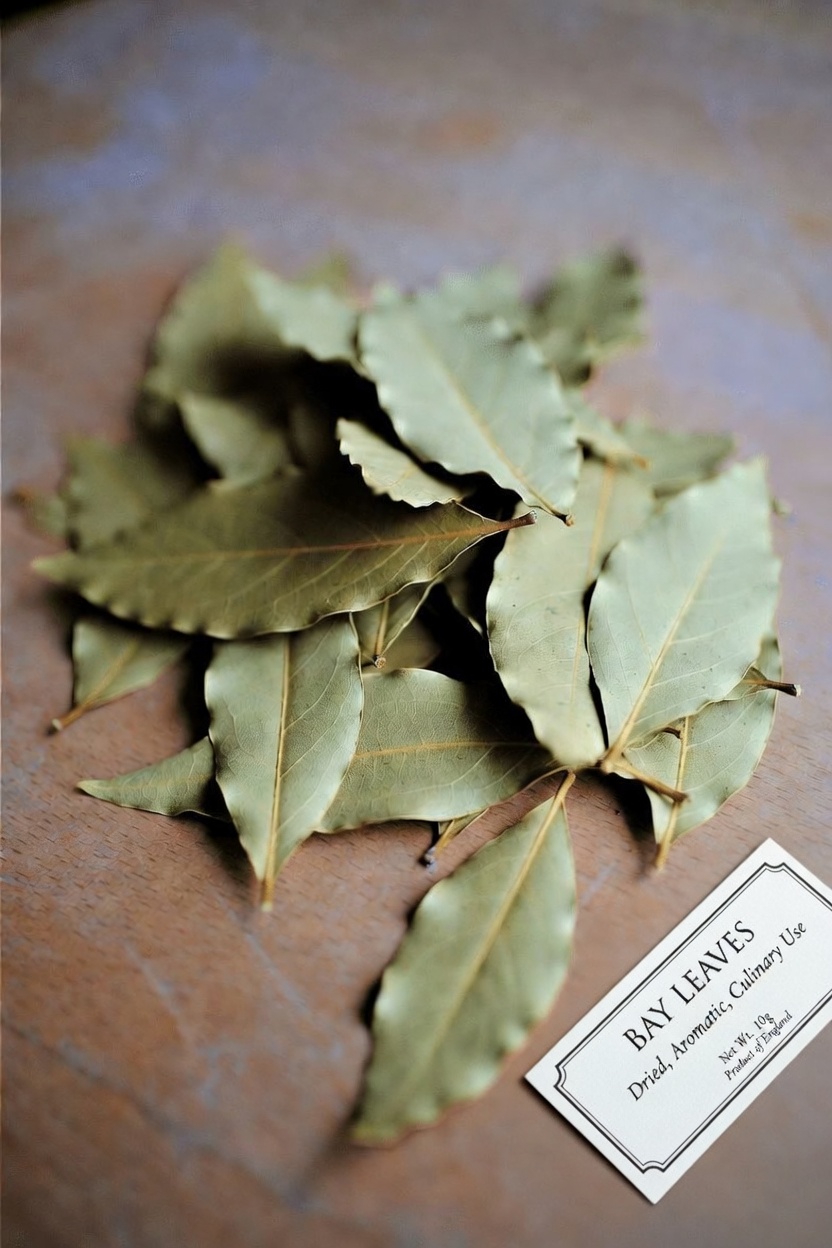
Choose whole dried leaves that are:
- Green rather than brown
- Fragrant and aromatic
- Not overly brittle
For authenticity, look for Mediterranean-sourced Laurus nobilis, which is considered true bay leaf. Avoid confusing it with California bay, which comes from a different plant.