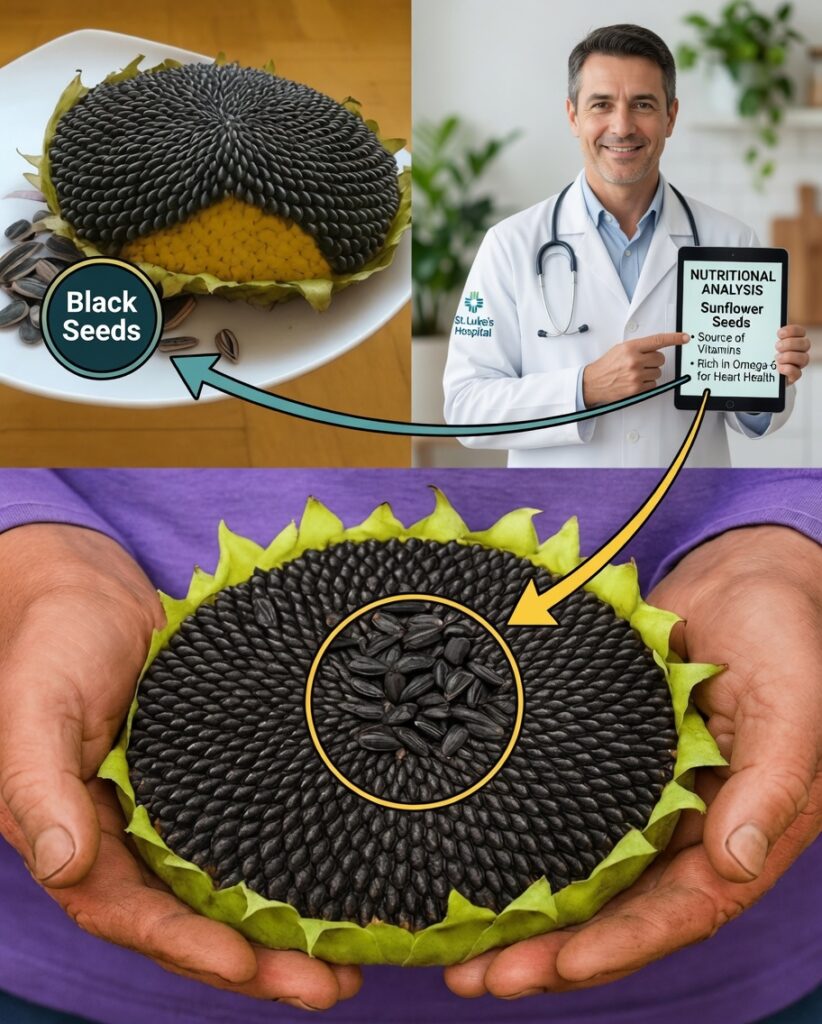
Sunflower Seeds: Rich in Vitamin E and Magnesium—Are You Eating Them the Right Way?
Packed with vitamin E and magnesium, sunflower seeds can support heart health and help maintain brain function. But the benefits depend heavily on how much you eat and which type you choose.
Have you noticed how some people consistently snack on healthier options, while others fall back on ultra-processed foods? Sometimes, the best solution is something simple, small, and surprisingly powerful. What really happens in your body when you eat sunflower seeds regularly—and what common mistakes can reduce their benefits?
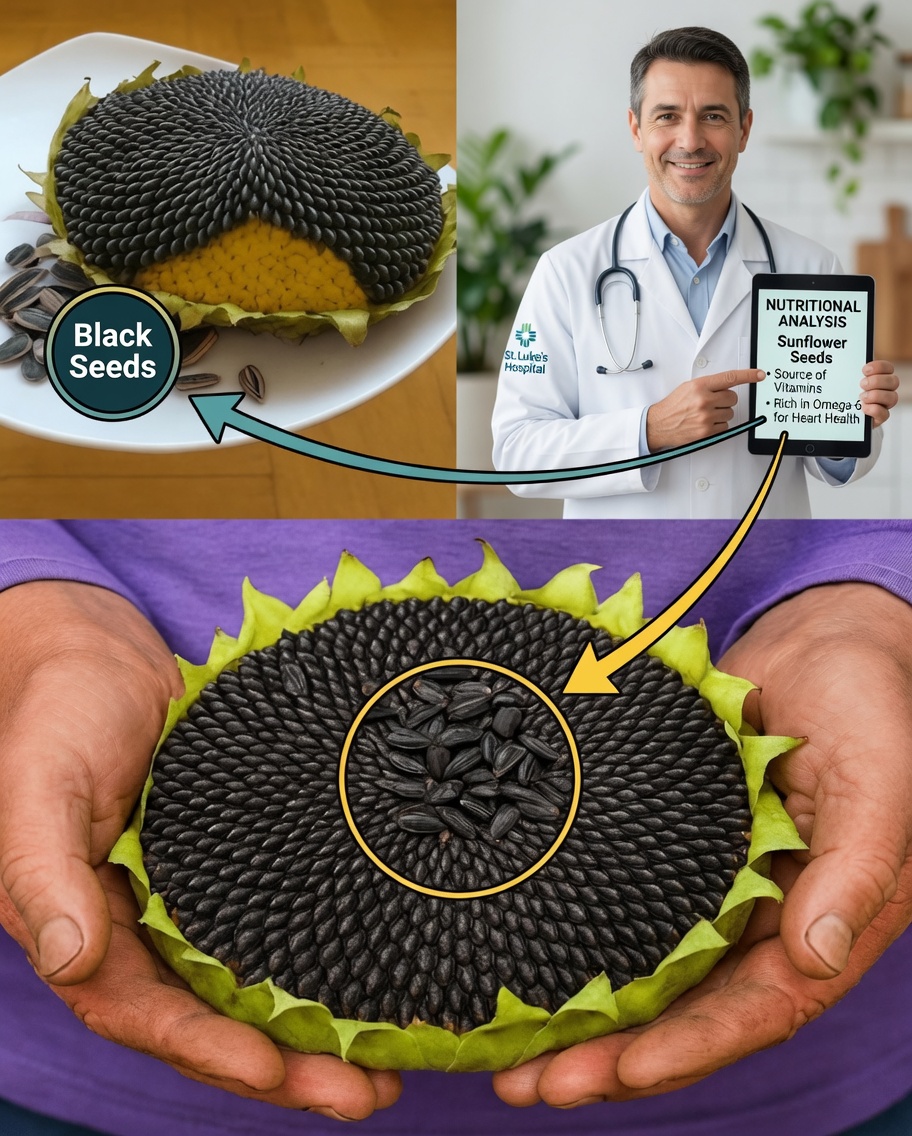
Why Sunflower Seeds Are More Powerful Than They Look
Sunflower seeds may seem ordinary, but they’re a dense source of nutrients. They provide healthy fats, plant-based protein, and key vitamins and minerals that can help:
- Support the cardiovascular system
- Improve skin health
- Provide steady energy throughout the day
That said, like many nutritious foods, sunflower seeds can also cause issues when eaten in large amounts—especially when they’re heavily salted or flavored.
In this guide, you’ll learn 16 essential facts about sunflower seeds, including their standout benefits, potential downsides, and the best ways to add them to your daily routine.
Nutritional Profile of Sunflower Seeds
Despite their small size, sunflower seeds concentrate several essential nutrients:
- Healthy fats: mostly unsaturated fats that support heart health
- Plant protein: roughly 5–6 g per 28 g (1 oz) serving
- Vitamin E: a strong antioxidant that helps protect cells
- B vitamins: important for energy production and metabolism
- Magnesium: supports muscles, nerves, and blood pressure regulation
- Selenium: helps with thyroid hormone function and antioxidant defense
A small serving of about 28 g (a small handful) can provide close to half of your daily vitamin E needs.
16 Key Facts About Sunflower Seeds (Benefits + Mistakes to Avoid)
-
They support heart health
Their unsaturated fats may help lower LDL (“bad”) cholesterol when eaten in moderation. -
They can boost energy naturally
Protein, B vitamins, and magnesium work together to promote steadier energy. -
They nourish the skin
Vitamin E helps defend skin cells from oxidative stress. -
They may reduce inflammation
Antioxidants and plant compounds can help calm inflammation in the body. -
They aid digestion
Sunflower seeds contain fiber, which supports regular bowel function. -
They contribute to stronger bones
Minerals like magnesium, phosphorus, and copper support bone density. -
They may help stabilize blood sugar
Their combination of healthy fats and protein can slow glucose spikes. -
They support thyroid function
Selenium plays a key role in producing thyroid hormones. -
They may support mood and the nervous system
Magnesium is linked to healthy nervous system regulation and emotional balance. -
They’re an excellent plant protein option
A convenient protein source for vegetarians and vegans. -
They can support weight management
Protein + fiber increases fullness and may reduce snacking later. -
They strengthen immune defenses
Nutrients such as vitamin E, selenium, and zinc help support immunity. -
They may help protect against chronic disease
Antioxidants help neutralize free radicals, which can damage cells. -
They’re easy to overeat
They’re calorie-dense, so large portions can contribute to weight gain. -
Flavored or salted versions can be sodium-heavy
Too much sodium can raise blood pressure, especially in sensitive individuals. -
They can cause digestive discomfort in excess
Overdoing fiber may lead to bloating or constipation, depending on hydration and total intake.
Sunflower Seeds vs. Other Popular Seeds
Here’s how sunflower seeds compare with other common options (per 28 g / 1 oz):
- Sunflower seeds: ~165 calories, ~6 g protein, ~14 g healthy fats, ~3 g fiber, key nutrients: vitamin E, selenium
- Pumpkin seeds: ~150 calories, ~7 g protein, ~12 g healthy fats, ~2 g fiber, key nutrients: zinc, magnesium
- Chia seeds: ~140 calories, ~5 g protein, ~9 g healthy fats, ~10 g fiber, key nutrients: omega-3, calcium
- Flaxseeds: ~150 calories, ~5 g protein, ~12 g healthy fats, ~8 g fiber, key nutrients: omega-3, lignans
Sunflower seeds stand out especially for their high vitamin E content.
How to Eat Sunflower Seeds Every Day (Simple Ideas)
Easy ways to include sunflower seeds in your diet:
- Sprinkle them over salads for extra crunch
- Stir them into oatmeal or yogurt at breakfast
- Use sunflower seed butter as an alternative to peanut butter
- Add them to bread, muffins, homemade granola, or energy bars
Portion Control: The Best Way to Get the Benefits
To enjoy sunflower seeds without overdoing calories or sodium:
- Aim for about 28 g (a small handful) per serving
- Choose unsalted or low-sodium options whenever possible
- Pair them with fruit or vegetables for a more balanced snack
Possible Risks and Safety Tips
Sunflower seeds are nutritious, but keep these points in mind:
- High calorie density: large portions can lead to weight gain
- Too much sodium: salted seeds may increase blood pressure
- Digestive issues: excess fiber can cause bloating if you’re not used to it
- Allergies: uncommon, but possible in sensitive individuals
- Poor storage: improperly stored seeds can go rancid and may develop harmful compounds
Conclusion: Are Sunflower Seeds Good or Bad for You?
Sunflower seeds can be very healthy—or less helpful—depending on portion size and product choice. In moderate amounts, they provide protein, antioxidants, and essential nutrients that support the heart, skin, bones, and brain. However, overeating them—especially salted varieties—can cause unwanted effects.
When eaten with balance, sunflower seeds are a simple, affordable, nutrient-dense snack that can meaningfully improve everyday nutrition.
Frequently Asked Questions
-
How many sunflower seeds should I eat per day?
About 28 g (a small handful) is a reasonable daily portion for most people. -
Are roasted sunflower seeds less healthy?
They’re still nutritious, but it’s best to choose unsalted and minimally processed versions. -
Can sunflower seeds help with weight loss?
Yes—when eaten in moderation, their protein and fiber can increase satiety. -
Do sunflower seeds cause acne?
Not directly. In fact, vitamin E may support overall skin health.
Summary: Sunflower seeds are nutritious, affordable, and versatile—as long as you keep portions moderate and choose more natural, lower-sodium options.