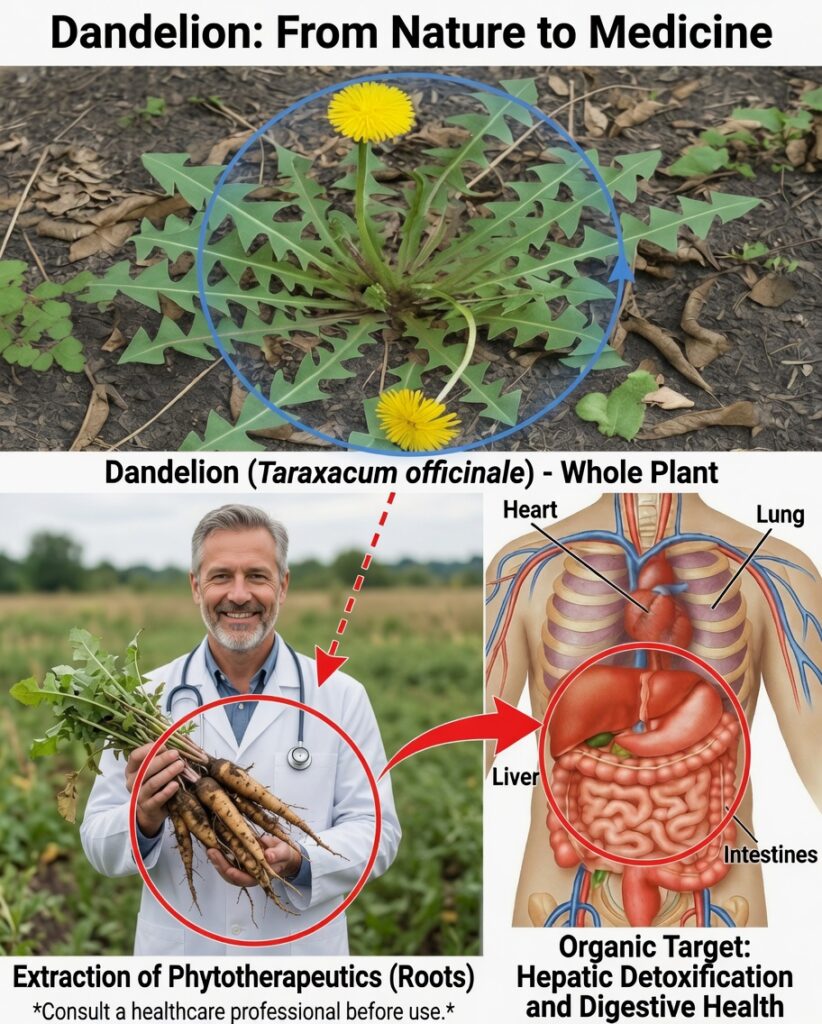
A Hidden Root in Your Backyard That May Support Liver Health and Gut Balance
That bright yellow dandelion popping up in the lawn often triggers the same reaction: pull it out fast—another annoying weed. Countless homeowners spend time and money trying to get rid of it.
But what if removing dandelions means tossing away one of nature’s most useful traditional remedies?
Dandelion is far more than a common yard plant. For generations, people across many regions have used its roots, leaves, and flowers to aid digestion, strengthen overall vitality, and support the body’s natural cleansing processes. Now, modern research is beginning to back up what traditional practices have suggested for centuries.
In this guide, you’ll learn why dandelion root is viewed as a natural wellness “treasure,” what it contains, the potential benefits being studied today, practical ways to use it, and how to fit it into daily routines.
What Is Dandelion Root?
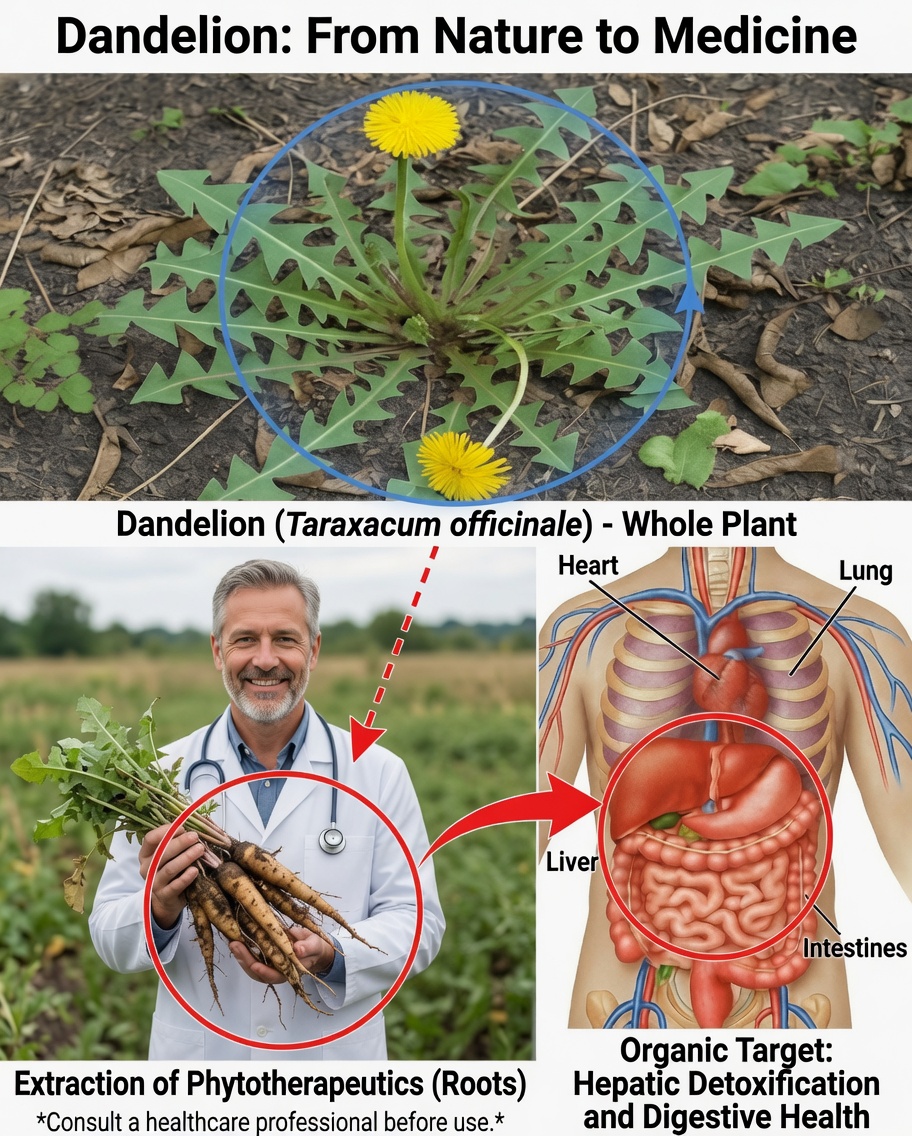
Dandelion (Taraxacum officinale) is a perennial plant in the Asteraceae family. While its yellow flowers are easy to recognize, the root is where much of its traditional value is concentrated.
Key characteristics
- A long, deep taproot that stores nutrients.
- Grows easily in gardens, fields, and along roadsides.
- Edible plant overall: leaves, flowers, and roots.
Traditionally, the roots were harvested in spring or fall, then dried for teas, extracts, or powdered preparations. Today, dandelion root is also widely available as capsules, tinctures, and herbal tea blends.
Nutritional Profile and Active Compounds
Dandelion root contains multiple naturally occurring compounds that are of interest for wellness and digestive support.
Notable components
- Inulin (a prebiotic fiber) – helps nourish beneficial gut bacteria.
- Phenolic acids – linked to antioxidant activity.
- Flavonoids – often studied for their role in supporting healthy inflammatory responses.
- Vitamins A, C, and K – important for cellular protection and overall function.
- Minerals such as potassium and calcium – associated with fluid balance and bone health.
This mix makes dandelion root both nutrient-rich and functionally supportive in traditional herbal use.
Traditional Uses Around the World
Dandelion’s long history across cultures highlights why it continues to attract scientific interest.
Europe
In European folk traditions, dandelion was commonly used as a digestive tonic. The root’s bitter tea was often taken to stimulate appetite and support the liver, especially after heavy meals.
Asia
In Traditional Chinese Medicine, dandelion was viewed as a cooling herb, used to help the body “clear heat,” support liver function, and address inflammatory discomfort.
North America
Many Indigenous communities used dandelion root to support kidney function and overall wellbeing. In some traditions, the root was roasted and prepared as a warm drink.
The fact that similar uses appear in very different regions suggests a broad, long-standing value in natural health practices.
Potential Health Benefits (What Research Is Exploring)
Human research is still evolving, but early findings and traditional use point to several promising areas:
- Liver support: may help the body defend against oxidative stress.
- Digestive health: inulin functions as a prebiotic, supporting gut microbiome balance.
- Antioxidant effects: may help neutralize free radicals.
- Support for mild inflammation: certain plant compounds are being studied for anti-inflammatory potential.
- Kidney support: traditionally known for a mild natural diuretic effect.
While many results are encouraging, more high-quality human studies are still needed to confirm specific outcomes.
Practical Ways to Use Dandelion Root
Dandelion root tea
Ingredients
- 1–2 teaspoons dried dandelion root
- 1 cup hot water
How to prepare
- Add the root to freshly boiled water.
- Steep for 10–15 minutes.
- Strain and drink warm.
Many people drink dandelion root tea after meals to support digestion.
Dandelion root “coffee” (caffeine-free)
Dandelion root can be roasted until dark brown, then ground and brewed like coffee.
- Flavor profile: earthy, slightly bitter
- Naturally caffeine-free, making it a popular coffee alternative for those cutting back on caffeine.
Capsules or tinctures
Health stores often carry dandelion root in standardized capsules and liquid tinctures, which can be a convenient option for consistent dosing.
How to Add Dandelion Root to Your Daily Routine
- Morning: replace one cup of coffee with dandelion root coffee.
- After dinner: sip a cup of dandelion root tea to support digestion.
- Seasonal reset: include it as part of a simple, natural wellness routine during seasonal changes.
With herbs, consistency matters more than large amounts.
Safety Tips and Precautions
- Start with small servings to assess tolerance.
- Avoid harvesting plants from areas exposed to pesticides, roadside pollution, or contaminated soil.
- If you have liver, kidney, or gallbladder conditions, consult a healthcare professional before use.
- If you are pregnant or breastfeeding, seek medical guidance first.
Conclusion
Dandelion root may look ordinary, yet it carries centuries of traditional knowledge. With its mix of prebiotic fiber, antioxidants, vitamins, and minerals, it may help support liver function, digestion, and overall balance.
What’s most striking is how freely dandelion grows—often overlooked or removed from gardens. It may be time to see it differently: not just as a weed, but as a quiet, practical gift from nature for everyday health.