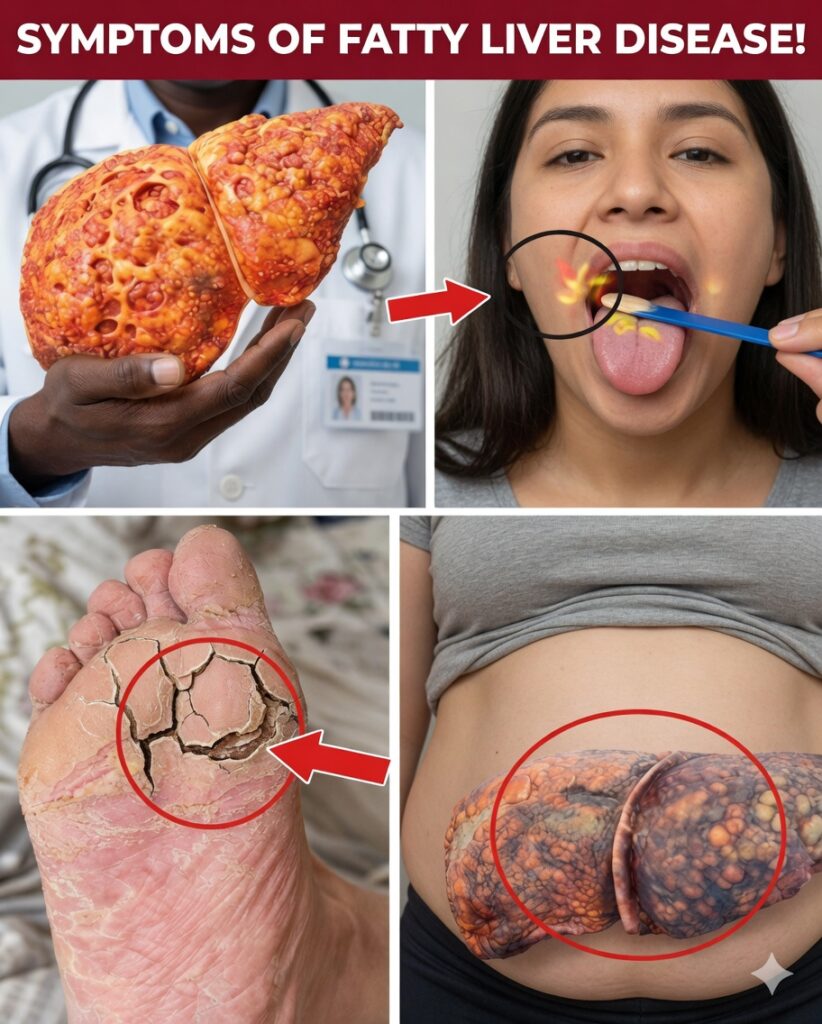
Always Tired? It Might Not Be “Just Stress” — These Quiet Signs Can Point to Fatty Liver (MASLD)
Do you feel drained all the time, notice frequent bloating, or have a lingering sense that something is “off”? Many people blame these issues on stress, a busy schedule, or getting older. However, symptoms that seem ordinary can sometimes be linked to non-alcoholic fatty liver disease, now commonly referred to as metabolic dysfunction–associated steatotic liver disease (MASLD).
MASLD happens when excess fat builds up in the liver in people who do not drink alcohol heavily. It’s extremely common—estimated to affect about 25% to 30% of adults worldwide—and it can stay silent for years, meaning many people have it without knowing.
The frustrating part is that even with “better eating” and some exercise, fatigue may persist, belly fat can be stubborn, and overall discomfort doesn’t always go away on its own. The good news: spotting early warning signs and making simple, consistent lifestyle changes can strongly support liver health and improve how you feel.
Keep reading to learn which natural foods may help protect the liver—and a simple 30-day plan you can start today.
Why Fatty Liver Deserves Your Attention
Your liver is one of the hardest-working organs in the body. It performs 500+ vital tasks, including:
- Filtering toxins and waste products
- Helping regulate blood sugar
- Processing fats and cholesterol
- Producing bile to support digestion
When fat accumulates inside liver cells, these functions can become less efficient. Over time, fatty liver may progress to inflammation, tissue scarring, and more serious liver complications.
MASLD is often associated with:
- Excess body weight (especially around the waist)
- Insulin resistance and blood sugar imbalances
- Lack of physical activity
- Diets high in ultra-processed foods and added sugars
The encouraging reality is that lifestyle adjustments—especially nutrition—can reduce liver fat and help the liver recover.
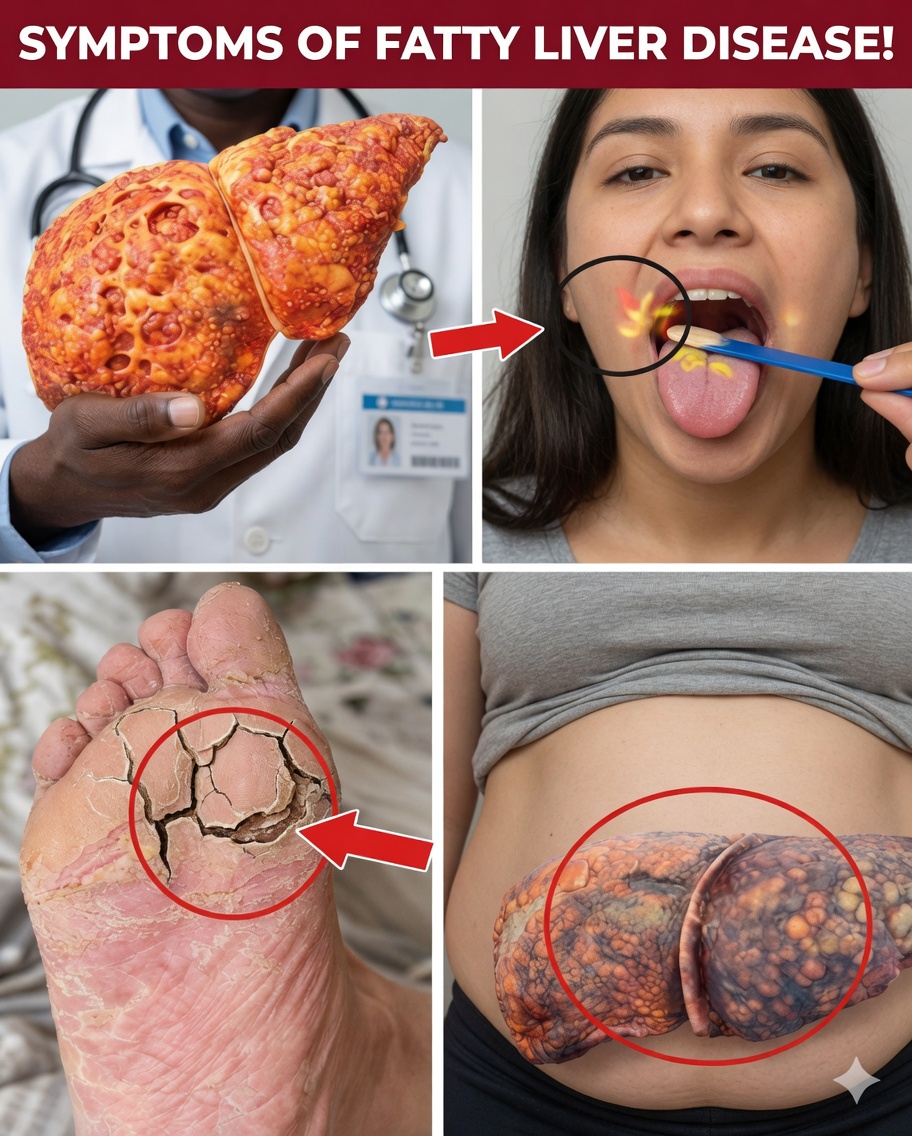
14 Warning Signs That May Suggest Fatty Liver
Early-stage MASLD often has no obvious symptoms, but signs may gradually appear. If several of the following happen frequently, it’s worth paying attention.
-
Ongoing fatigue
You sleep enough, yet still wake up tired and feel depleted throughout the day. -
Stubborn belly fat
Abdominal fat is commonly tied to metabolic changes linked with fatty liver. -
Right-side abdominal discomfort
Mild pain or pressure under the right ribs can occur when the liver is enlarged. -
Poor focus or “brain fog”
Trouble concentrating, forgetfulness, or frequent headaches. -
Nausea or feeling overly full
Even after light meals, you may feel heavy, bloated, or uncomfortable. -
Easy bruising or bleeding gums
-
Dark-colored urine
-
Pale or clay-colored stools
-
Reduced appetite or getting full quickly
-
Noticeable swelling on the right side of the abdomen
-
Frequent abdominal distension
-
Intense itchy skin (often hands and feet)
-
Yellowing of the skin or eyes (jaundice)
-
Confusion or mood changes
If multiple symptoms persist, seek medical evaluation. Blood tests and imaging (such as ultrasound) are commonly used to confirm fatty liver.
Natural Foods That Can Support Liver Health
No single food “cures” fatty liver. Still, certain foods may help lower inflammation, improve metabolic markers, and support liver function when part of an overall balanced eating pattern.
-
Coffee
Drinking 2–3 cups daily, ideally without sugar, has been linked with better liver outcomes. -
Green tea
Contains catechins that may help reduce fat buildup in the liver. -
Garlic
Provides sulfur-containing compounds that support the body’s natural detox pathways. -
Extra-virgin olive oil
A source of healthier fats with anti-inflammatory effects. -
Cruciferous vegetables
Broccoli, cauliflower, and cabbage support natural detox mechanisms. -
Turmeric + black pepper
Curcumin is strongly anti-inflammatory, and black pepper can enhance absorption. -
Omega-3–rich fish
Options like salmon and sardines may support healthier triglyceride levels. -
Avocado
Offers beneficial fats and antioxidants. -
Citrus fruits
Lemon and oranges provide vitamin C and support metabolic processes. -
Beets
Contain betaine, a compound associated with liver protection. -
Whole grains
Oats and quinoa can support steadier blood sugar control. -
Artichoke
May promote bile flow and support digestion.
A Simple 30-Day Liver Support Plan
This approach focuses on realistic, repeatable habits rather than extreme restriction.
Weeks 1–2: Build the base
- Start the morning with warm water + lemon
- Add garlic to meals when possible
- Include green tea and use extra-virgin olive oil
- Aim for about 2 liters of water per day
Week 3: Strengthen your routine
- Add turmeric with black pepper
- Include avocado
- Increase whole grains (such as oats or quinoa)
Week 4: Upgrade nutrition + movement
- Eat omega-3 fish (like salmon or sardines)
- Add beets and more cruciferous vegetables
- Walk at least 30 minutes daily
Also prioritize reducing:
- Added sugar
- Fried foods
- Refined carbohydrates
- Ultra-processed foods
Key Habits to Help Protect Your Liver
- Stay physically active consistently
- Sleep 7–8 hours per night
- Work toward a healthy weight gradually (avoid crash diets)
- Get routine health checkups and blood work as recommended
Your liver supports you quietly every day. Protecting it with simple, steady habits can lead to better energy, improved digestion, and a higher overall quality of life.
Frequently Asked Questions
What is the main cause of fatty liver (MASLD)?
It’s most often connected to excess weight, insulin resistance, a high-sugar diet, and low physical activity.
Can fatty liver improve naturally?
Yes. For many people, diet changes, regular exercise, and consistent lifestyle improvements can significantly reduce liver fat.
How can I know if I have fatty liver?
The most reliable methods include blood tests and ultrasound imaging (or other imaging tests if needed).
Medical Disclaimer
This content is for informational purposes only and does not replace professional medical advice. Always consult a qualified healthcare professional before making significant changes to your diet or lifestyle.