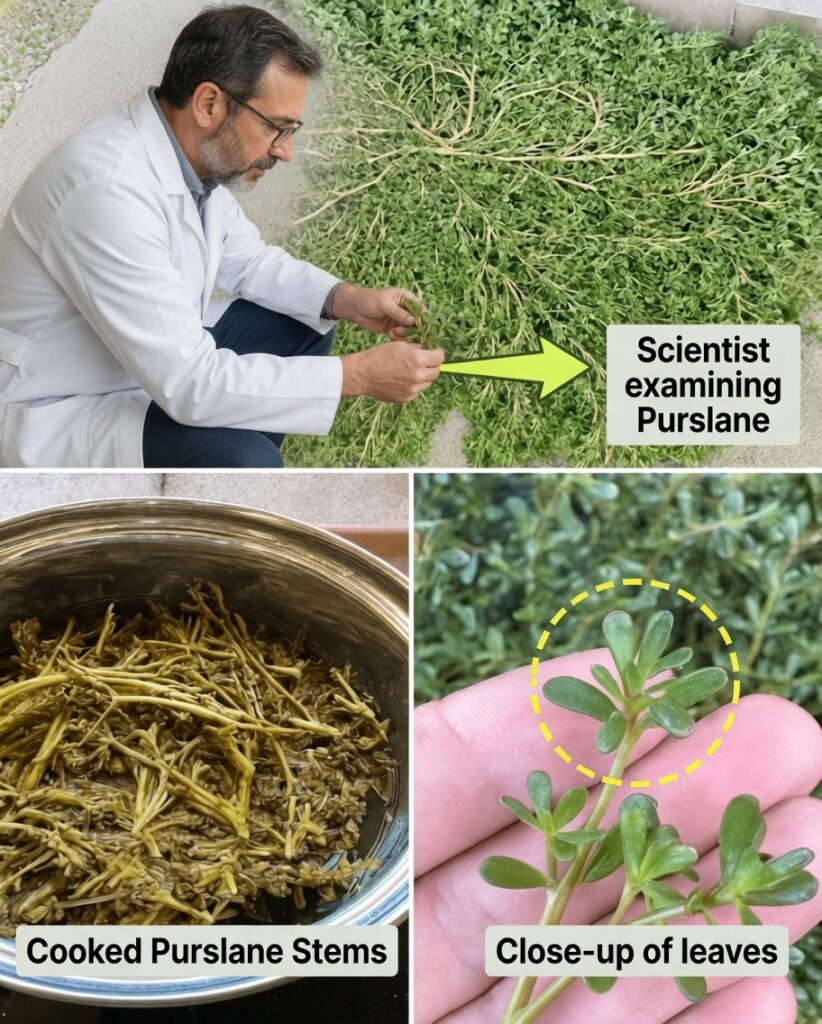
The “Weed” in Your Garden That May Support Heart Health, Immunity, and Digestion
What if one of the most nutritious, flavorful, and budget-friendly foods is already growing in your backyard—or even pushing through sidewalk cracks? Purslane is often dismissed as a common weed, but it’s actually a culinary gem with deep roots in traditional Turkish cuisine. Packed with omega-3s, vitamins, and essential minerals, purslane has earned the nickname “super green” for a reason—many consider it nutritionally competitive with spinach, kale, and even some animal-based foods.
The first time I tasted purslane wasn’t in a trendy restaurant or a health-food store. It was Turkish neighbors who introduced me to this overlooked plant. They made a simple, time-tested recipe passed down through generations, and the flavor was unforgettable: fresh, gently tangy, and surprisingly satisfying. In that moment, it became clear why purslane has been valued for centuries across Turkey and the Mediterranean.
In this article, you’ll learn what purslane is, why it’s so popular in Turkey, the health benefits it’s known for, a traditional Turkish purslane recipe, and easy ways to add it to everyday meals. By the end, you may understand why so many people say purslane can feel “better than meat.”
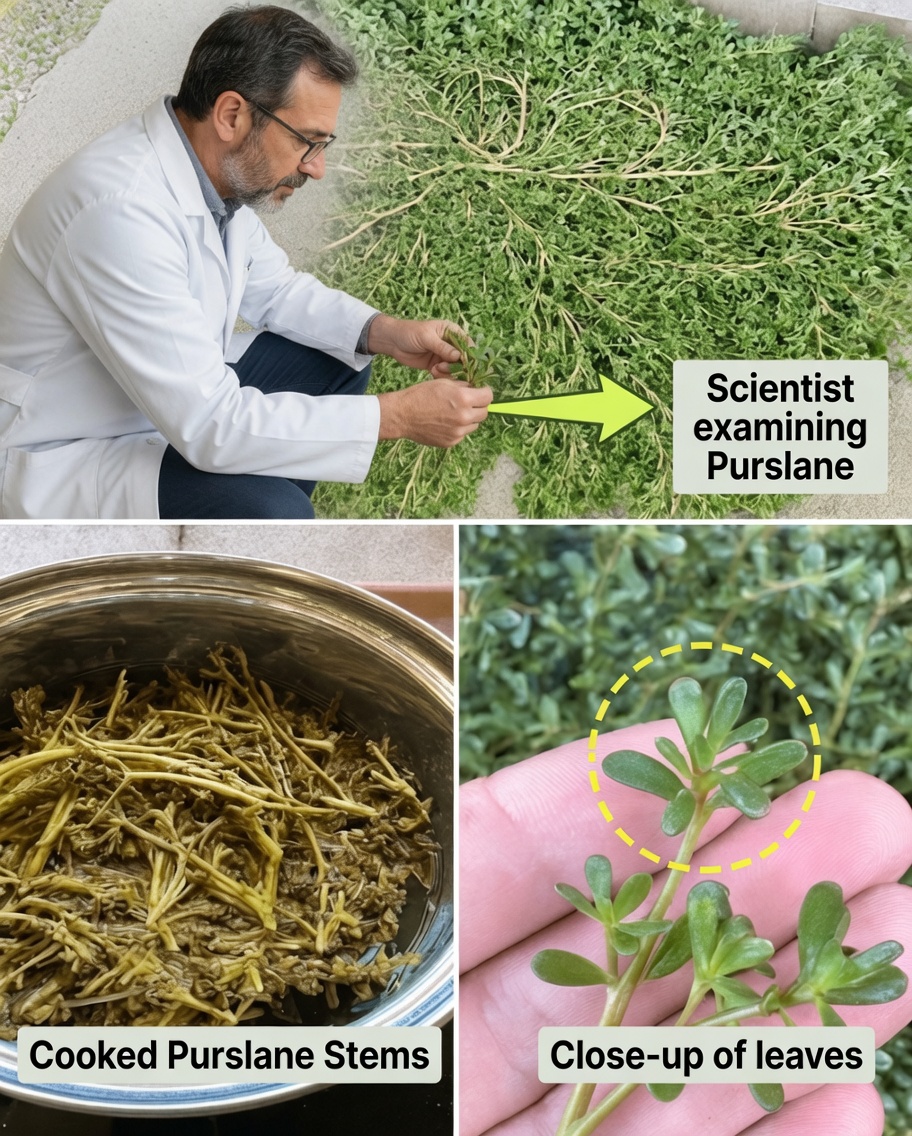
What Is Purslane?
Purslane (Portulaca oleracea) is a leafy green plant that grows easily in gardens, fields, and small gaps in the ground. While many people pull it out as a weed, numerous cultures treat it as a highly nutritious edible green. In Turkey, it’s called semizotu and has been a staple ingredient in home cooking for generations.
Key Nutrition Highlights (per 100 g)
Purslane stands out for its nutrient density, especially for those following a Mediterranean-style or plant-forward diet:
- Omega-3 (ALA): ~400 mg — supports heart and brain function
- Vitamin A: ~1320 IU — important for vision and immune health
- Vitamin C: ~21 mg — a powerful antioxidant
- Magnesium: ~68 mg — supports muscle and nerve function
- Iron: ~2 mg — essential for oxygen transport in the blood
Because of this combination, many nutrition-focused experts consider purslane one of the most complete leafy greens available.
Why Purslane Is So Popular in Turkey
Turkish cuisine celebrates fresh, seasonal ingredients, and purslane fits perfectly into that tradition. You’ll find it used in:
- salads
- sautéed vegetable dishes
- stews
- yogurt-based mezze-style plates
Its slightly tart, refreshing taste pairs especially well with lemon, garlic, and olive oil—signature Mediterranean flavors.
Beyond taste, purslane is often appreciated for being cooling and digestion-friendly, which is particularly valued during hot Mediterranean summers. Light purslane dishes can balance richer meals and leave you feeling less heavy.
Traditional Turkish Purslane with Yogurt and Garlic (Recipe)
This simple dish highlights purslane’s natural flavor using classic Mediterranean pantry staples.
Ingredients
- 2 cups fresh purslane, washed and chopped
- 1 medium onion, chopped
- 2 ripe tomatoes, diced
- 2 tablespoons olive oil
- 1 garlic clove, minced
- 1/2 cup plain yogurt
- Salt and pepper, to taste
- Optional: a few drops of lemon juice
Instructions
- Heat olive oil in a pan and sauté the onion until soft and translucent.
- Add garlic and diced tomatoes; cook until the tomatoes begin to break down.
- Stir in the purslane and cook for 5–7 minutes, until tender.
- Season with salt, pepper, and a touch of lemon (optional).
- Remove from heat and let it cool slightly.
- Serve warm or at room temperature with a spoonful of yogurt on top.
This dish is excellent with rustic bread or served as a side alongside grilled vegetables.
Health Benefits of Eating Purslane
Heart support
Thanks to its omega-3 fatty acids, purslane may help support healthier cholesterol balance and circulation.
Immune system support
Its mix of vitamins, antioxidants, and beta-carotene can help the body defend against inflammation and everyday infections.
Weight-friendly nutrition
Purslane is low in calories and contains fiber, which can help you feel fuller for longer.
Better digestion
In traditional food culture, purslane is often used to help settle the stomach, especially after heavier meals.
Plant-based iron source
Its iron content may support healthy energy levels—particularly helpful in diets that include less meat.
Easy Ways to Add Purslane to Your Diet
Try purslane in simple, everyday meals:
- Salads: combine with cucumber, tomato, and feta
- Green smoothies: add a small handful to your morning blend
- Soups: stir in near the end of cooking to keep it fresh
- Egg dishes: mix into omelets or scrambled eggs
Important tip: purslane grows close to the soil, so wash it thoroughly before eating.
Why Some People Say It’s “Better Than Meat”
Purslane isn’t a direct replacement for meat protein, but it offers qualities that many people find appealing:
- a tender texture with a slight crunch
- a fresh, lightly citrusy flavor
- a lighter, easier digestion than many heavy meals
- impressive versatility across different recipes
For anyone trying to reduce meat intake or eat more naturally, purslane can be a satisfying and flavorful addition.
Conclusion
Sometimes the most valuable foods are hidden in plain sight. Purslane is a perfect example: simple, widely available, affordable, and extremely nutrient-dense. Adding it to your meals can bring more variety, freshness, and potential health benefits.
So the next time you spot this little plant in your garden, you might want to pause before pulling it out—it could be one of the healthiest ingredients you’re not using yet.