The “Weed” in Your Garden That Can Strengthen Bones, Support Vision, and Boost Immunity
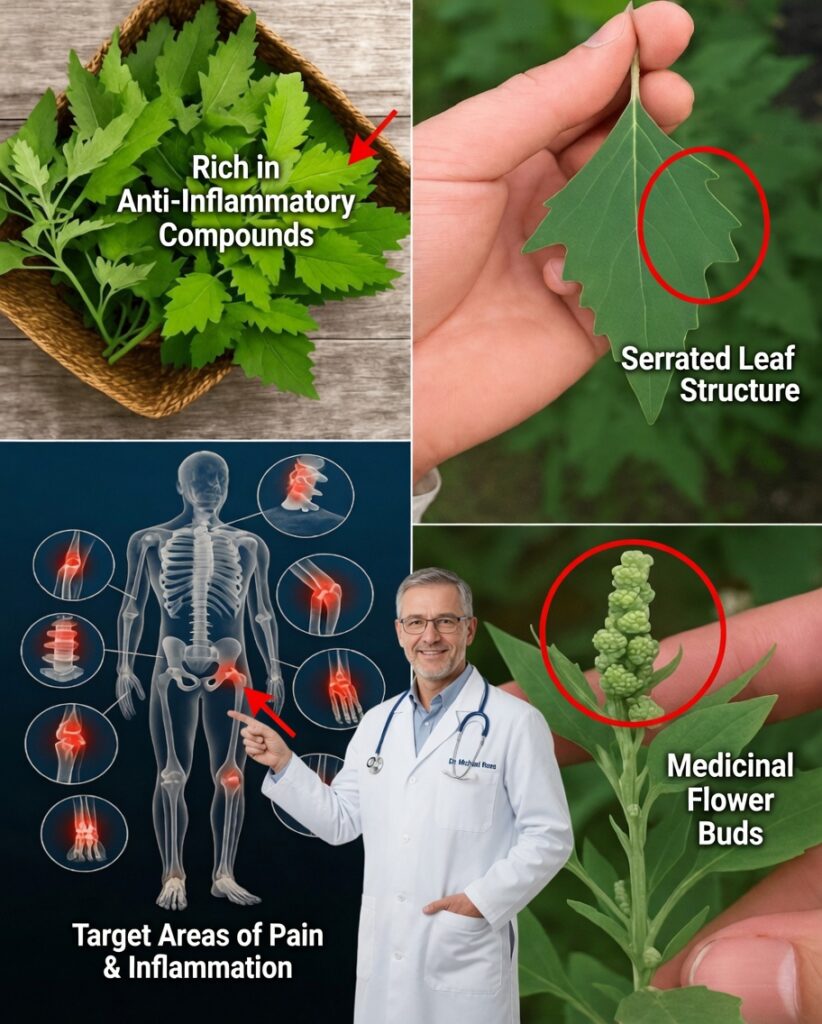
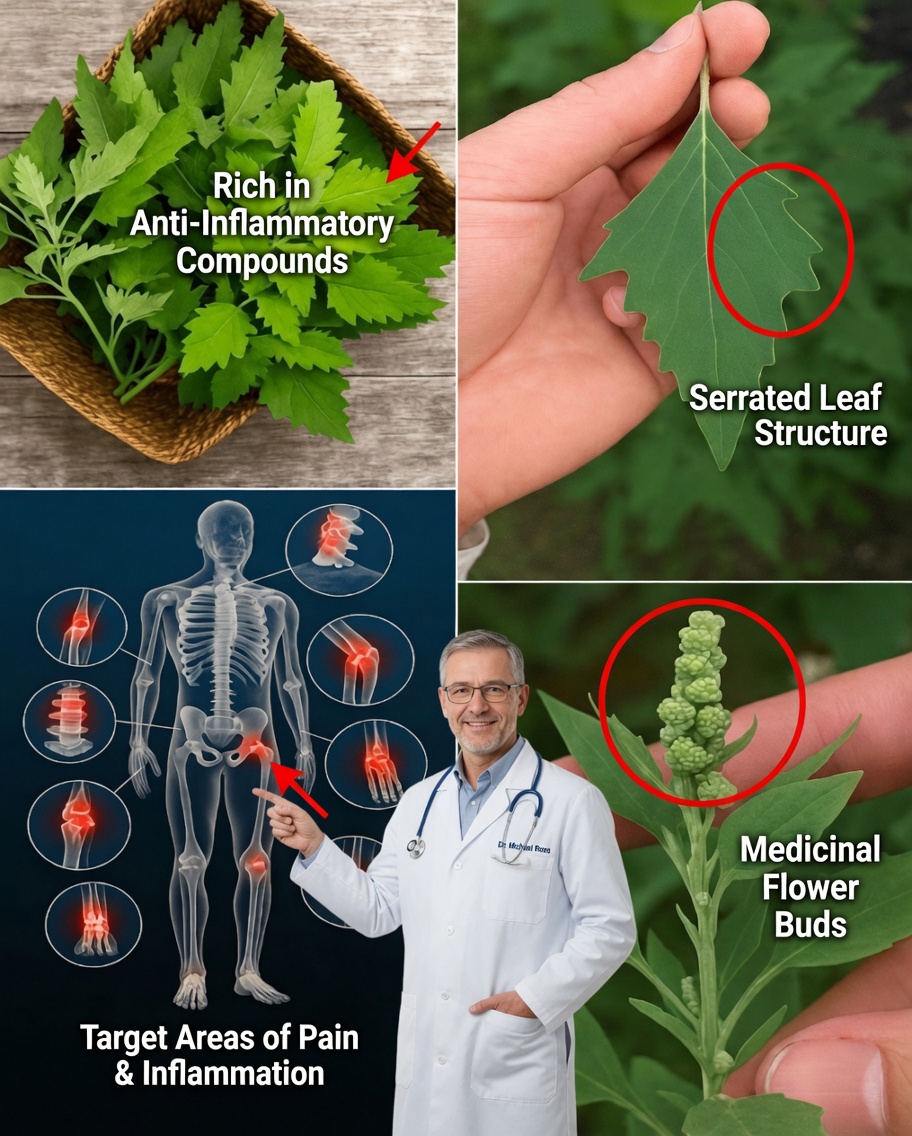
What if one of the most nutrient-dense plants on the planet has been quietly growing in your backyard—only to be pulled out and tossed away as a nuisance weed? That’s exactly what happens to Lamb’s Quarters (Chenopodium album), a wild edible plant many people overlook despite its remarkable nutritional value.
Used for centuries in traditional diets across multiple continents, Lamb’s Quarters is packed with vitamins, minerals, antioxidants, fiber, and plant-based protein—often compared to spinach, and in some ways, even more impressive. So why did such a powerful food fall out of modern eating habits, and how can you start using it again? Let’s explore why this humble “weed” is increasingly recognized as a natural superfood.
The Story of Lamb’s Quarters
An ancient plant with deep roots
Long before spinach became a mainstream vegetable, Lamb’s Quarters was eaten widely throughout Europe, Asia, and North America. Archaeological findings suggest it was even cultivated in prehistoric times, highlighting how long humans have relied on it as food.
In India, it’s commonly known as bathua and still appears in everyday cooking—especially in dishes like parathas and curries. In parts of North America, some Indigenous communities traditionally prepared the leaves steamed or cooked as a staple green.
As industrial agriculture expanded and commercial crops dominated, Lamb’s Quarters was increasingly labeled a “weed” and pushed out of kitchens. Interestingly, it often thrives in highly fertile soil, so its presence can even signal nutrient-rich ground.
A Nutritional Profile That Rivals Popular Greens
Often called “wild spinach,” Lamb’s Quarters delivers an outstanding concentration of essential nutrients. Key components include:
- Vitamin A (beta-carotene) for vision and skin health
- Vitamin C to support immune function
- Calcium for strong bones and teeth
- Iron to aid red blood cell production
- Plant-based protein for vegetarian and vegan diets
- Dietary fiber for digestion and gut health
This combination supports steady energy, stronger immunity, and better overall nutrient balance—using a plant many people already have growing nearby.
Health Benefits of Lamb’s Quarters
1. Supports bones and teeth
Thanks to its calcium content—along with magnesium and vitamin K—Lamb’s Quarters may help maintain bone density and support long-term skeletal health, including reducing osteoporosis risk.
2. Strengthens immune defenses
With abundant vitamin C and antioxidant compounds, this wild green helps protect cells from oxidative stress and reinforces the body’s natural immune response.
3. Promotes healthy vision
Its beta-carotene (vitamin A) supports eye health and may help lower the risk of age-related vision decline.
4. Improves digestion and gut function
The plant’s natural fiber helps regulate bowel movements, reduce constipation, and support a healthier gut microbiome.
5. A valuable source of plant protein
Providing over 4 grams of protein per serving, Lamb’s Quarters can be a smart addition for anyone aiming to increase protein intake on a plant-forward diet.
6. Supports natural detox pathways
Traditionally, Lamb’s Quarters has been viewed as mildly diuretic, potentially helping the body eliminate excess fluids and support liver and kidney function as part of natural detox processes.
How to Eat Lamb’s Quarters (Practical, Tasty Ways)
Although it grows wild, Lamb’s Quarters is surprisingly versatile. Its flavor is mild—similar to spinach—with a subtle nutty note, making it easy to use in everyday meals.
Easy preparation ideas
-
Sautéed side dish
Cook the leaves with garlic and olive oil for a simple, nutrient-rich side. -
Green smoothies
Blend young leaves into smoothies to boost vitamins and minerals without overpowering flavor. -
Soups and stews
Use it in place of spinach or kale in most recipes—add it near the end of cooking. -
Doughs, flatbreads, and savory baking
In Indian cuisine, bathua is mixed into paratha dough to make breads more nutritious. -
A fresh twist on pesto
Blend the leaves with nuts, olive oil, and garlic for a vibrant, wild-green pesto.
Preparation and Safety Tips
- Wash thoroughly before eating, especially if foraged.
- Cook older leaves, which can help reduce oxalic acid content.
- If you’re prone to kidney stones, enjoy in moderation due to naturally occurring oxalates.
- Avoid harvesting from polluted areas or near busy roads where plants may absorb contaminants.
Conclusion
Lamb’s Quarters may look like an ordinary wild plant, but it’s truly one of nature’s hidden nutritional treasures. Rich in vitamins, minerals, fiber, antioxidants, and plant protein, it can easily compete with many store-bought greens—and sometimes outperform them.
Rediscovering traditional edible plants like Lamb’s Quarters doesn’t just add variety to your meals; it reconnects you with an accessible, affordable, and powerful source of natural nutrition. The next time you see it growing in your garden or in the wild, you may be looking at one of the most nutrient-packed foods nature has to offer.