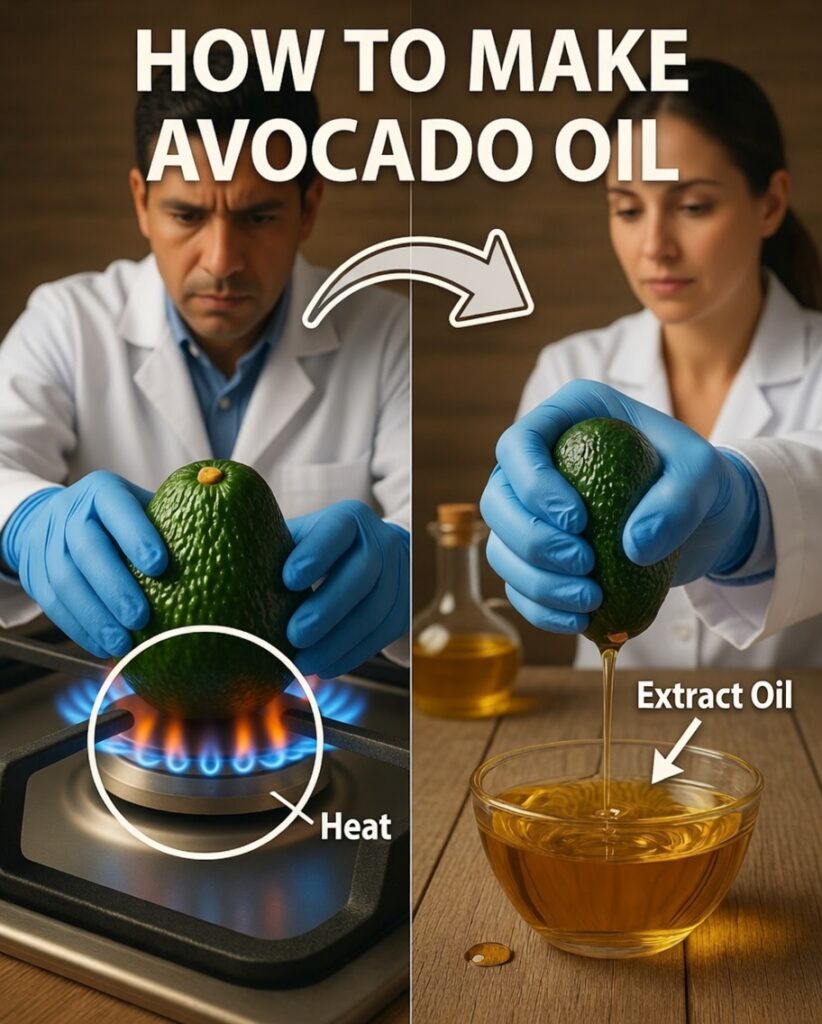
Your heart, skin, and eyes may thank you for this. Just a few drops of homemade avocado oil each day can support natural anti-inflammatory balance and promote cardiovascular health. Here’s how to make it at home.
Avocado is widely known as one of the world’s most popular superfoods. Every year, billions of pounds of this creamy, nutrient-dense fruit are enjoyed globally. People love avocados for their mild flavor and impressive nutritional profile—but many don’t realize that avocado oil can be even more impactful.
Packed with healthy fats, antioxidants, and key vitamins like A, D, and E, avocado oil is remarkably versatile. You can use it in cooking, or as a natural option for skin and hair care.
What surprises many people is the price: store-bought avocado oil is often expensive, while making homemade avocado oil is far easier than it looks. With a few ripe avocados and a simple method, you can produce a fresh, green-gold oil that’s aromatic and free from chemical additives—plus you’ll know exactly what’s in it.
In this guide, you’ll learn the easiest way to make avocado oil at home, explore its health benefits, discover practical everyday uses, and get tips to achieve the best results.
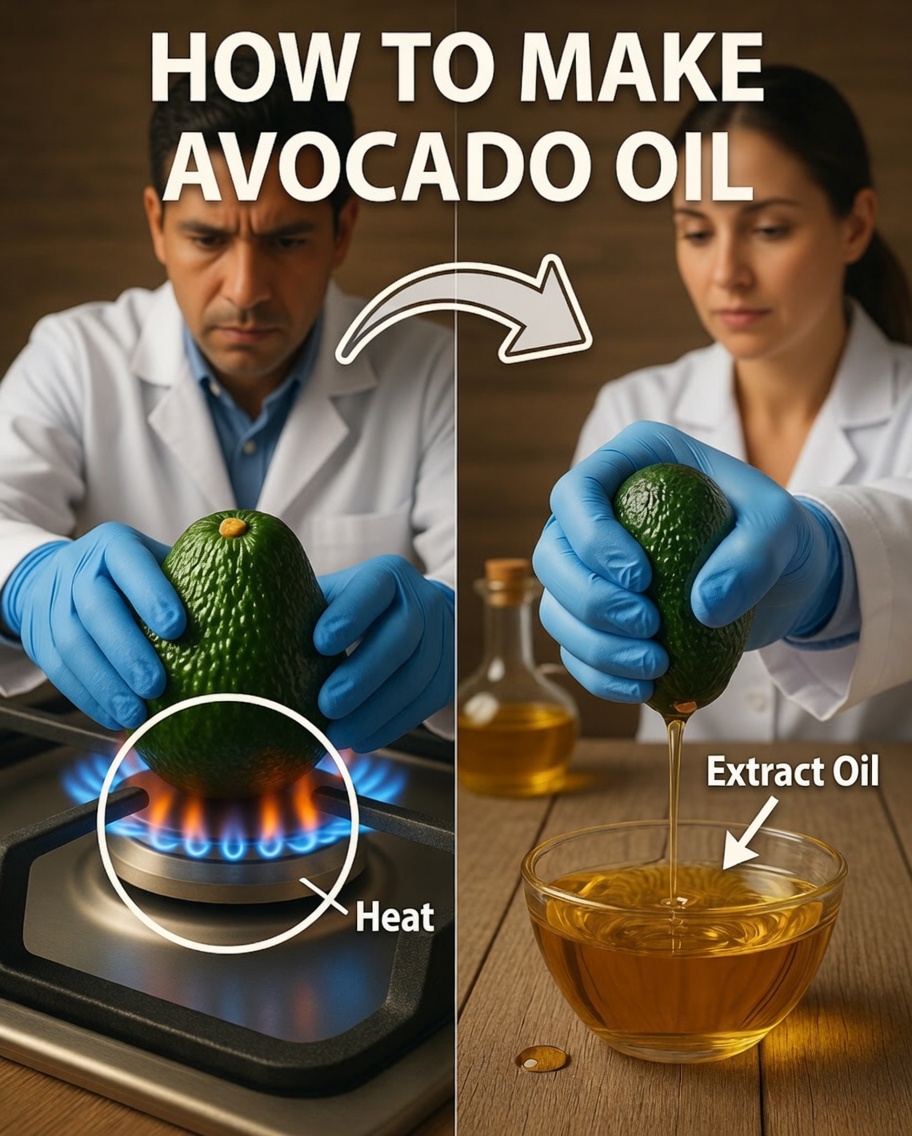
Why Making Homemade Avocado Oil Is Worth It
A true nutrient powerhouse
Avocado oil contains several compounds associated with wellness:
- Monounsaturated fats: help support heart health and may contribute to healthier cholesterol levels
- Vitamin E: a strong antioxidant that helps protect cells and supports skin hydration
- Lutein: a carotenoid linked to eye health
- Oleic acid: known for its anti-inflammatory properties
Benefits in the kitchen and beyond
Homemade avocado oil fits easily into both cooking and self-care:
- High smoke point, making it suitable for grilling and frying
- Mild, buttery flavor that works well in salads and dressings
- Deeply moisturizing feel, making it a favorite for natural skincare routines
Step-by-Step Guide: How to Make Avocado Oil at Home
This beginner-friendly method is simple and uses basic tools.
Ingredients and tools
- 6–8 ripe avocados
- Blender or food processor
- Cotton cloth or fine strainer
- Bowl
- Glass jar with an airtight lid
Instructions
-
Prepare the avocados
Slice each avocado in half, remove the pit, and scoop out all the flesh. -
Blend into a smooth paste
Add the flesh to a blender or food processor and blend until you get a very smooth puree. -
Gently warm the puree (optional)
Spread the puree on a baking tray and place it in a low oven (around 50°C / 122°F) for 4–5 hours. This gentle heat helps the oil separate naturally. -
Extract the oil
Transfer the paste into a clean cloth, then twist and squeeze it firmly over a bowl to release the oil. -
Store it the right way
Pour the oil into a clean glass jar and keep it in the refrigerator. For best freshness, use it within 1–2 weeks.
Practical tips for better yield and quality
- Choose very ripe avocados—they typically produce more oil.
- Avoid high heat, since it can reduce nutrient quality.
- If you want more oil, simply repeat the process with additional avocados.
Health Benefits of Avocado Oil
1. Heart support
The oleic acid in avocado oil may help lower LDL (“bad”) cholesterol and increase HDL (“good”) cholesterol, supporting overall cardiovascular health.
2. Skin and hair nourishment
Thanks to vitamin E and antioxidants, avocado oil can help moisturize dry skin, support stronger-looking hair, and soothe irritation.
3. Eye protection
Avocado oil contains lutein, which may help protect vision and reduce age-related eye health risks.
4. Natural anti-inflammatory action
Consistent intake may help reduce inflammation in the body and may be helpful for people dealing with joint discomfort.
5. Improved nutrient absorption
When used with meals, avocado oil can help your body absorb fat-soluble vitamins more efficiently—especially A, D, E, and K.
How to Use Avocado Oil Every Day
In cooking
- Cooking: great for sautéing, grilling, and frying
- Salads: drizzle a small amount for a buttery finish
- Dips and spreads: blend into guacamole or hummus for extra richness
In skincare
- Natural moisturizer: apply to dry areas like hands, elbows, and knees
- Massage oil: combine with lavender or rosemary essential oil
- Face mask: mix with honey and yogurt for a nourishing treatment
In hair care
- Scalp treatment: massage a few drops into the scalp to help with dryness
- Shine booster: lightly apply to the ends of hair for smoother-looking strands
Important Precautions
- Homemade avocado oil has a short shelf life, so keep it refrigerated.
- If you have an avocado allergy, avoid using it.
- For skin use, do a patch test on a small area first to check for sensitivity.
Conclusion
Making avocado oil at home is much simpler than most people expect. With a few ripe avocados, a blender, and a bit of patience, you can create a nutrient-rich oil that’s fresh, natural, and free from unnecessary additives. It can upgrade your recipes, enhance your skincare routine, and offer a healthier, more budget-friendly alternative to many store-bought options.
If you’re looking for a natural way to support everyday wellness—through food and personal care—homemade avocado oil can become a practical ally in your routine.