The “Weed” in Your Backyard That Can Boost Immunity, Support Digestion, and Deeply Nourish the Body
What if one of the most nutrient-dense wild foods on earth is quietly growing in your yard—and you’re pulling it out and tossing it away as if it were just another weed?
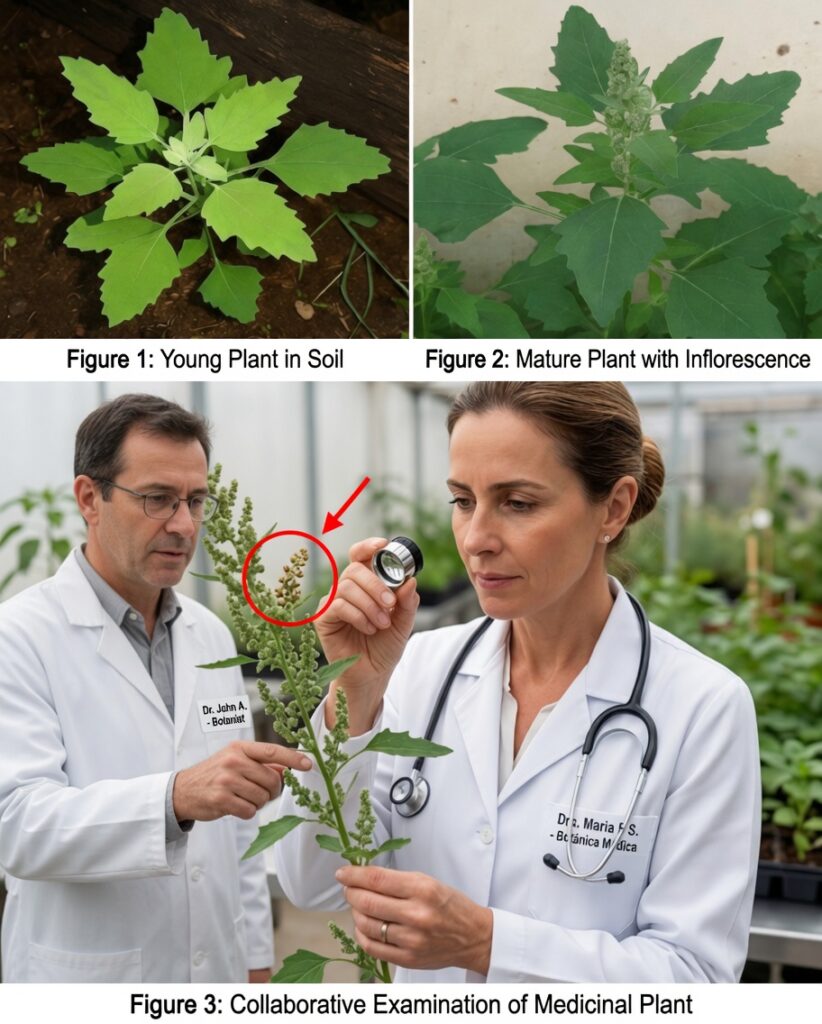
Lamb’s Quarters (Chenopodium album), often nicknamed wild spinach, is a hardy leafy plant that pops up in gardens, fields, and even along roadsides. For centuries, traditional cultures have relied on it both as food and as a folk remedy. Modern nutrition research now backs up what earlier generations already understood: Lamb’s Quarters is loaded with vitamins, minerals, antioxidants, fiber, and plant protein—and in some cases, it can rival or even outperform common greens like spinach or kale.
Yet despite its impressive nutritional profile, many people still overlook it and discard it—unknowingly ignoring a natural “superfood” that may be growing right outside.
A Long History: Why Lamb’s Quarters Matters Across Cultures
Lamb’s Quarters has been eaten for thousands of years.
- In North America, Indigenous communities traditionally grew and used it alongside staple crops like corn and squash.
- In India, it’s widely known as bathua and is especially popular in wintertime dishes.
- In parts of historical Europe, folk healers used the leaves to support digestion and to help with minor skin concerns, including small wounds.
As industrial agriculture expanded and priority shifted to large commercial crops such as wheat and corn, Lamb’s Quarters faded from mainstream diets in many regions. Today it’s often labeled an invasive plant—although in various rural communities across Asia and Africa, it remains a valued, nourishing food.
Nutritional Profile: A Wild Green Packed With Essentials
One reason Lamb’s Quarters deserves attention is its unusually rich nutrient content. It provides key compounds the body depends on for daily function, including:
- Vitamin A — supports eye health, skin integrity, and immune function
- Vitamin C — a powerful antioxidant that helps strengthen the body’s defenses
- Calcium and magnesium — essential minerals for strong bones and normal muscle function
- Iron — critical for healthy blood and oxygen transport
- Plant-based protein — higher than many other leafy greens
- Fiber — supports digestion and helps you feel full longer
Because of this combination, Lamb’s Quarters is often considered one of the most nutrient-dense wild leafy vegetables available.
Key Health Benefits of Lamb’s Quarters
1. Supports eye health
Its high vitamin A content helps maintain healthy vision and may support protection against age-related eye decline.
2. Strengthens immune defenses
With vitamin C and a range of antioxidants, Lamb’s Quarters may help the body better handle oxidative stress and support immune resilience.
3. Helps maintain strong bones
Calcium and magnesium work together to support bone density and reduce the risk of fragile bones over time.
4. Promotes healthy digestion
The natural fiber in the leaves supports bowel regularity and contributes to a more balanced digestive system.
5. Supports the body’s natural detox processes
Its antioxidants may help support liver function and the body’s built-in detox pathways, contributing to overall balance.
6. Contributes to healthy blood and energy
Thanks to its iron content, it can support red blood cell production and may help reduce fatigue linked to low iron intake.
7. A valuable plant protein option
Because it contains more protein than many leafy greens, it can be especially useful in vegetarian and vegan diets.
How to Eat Lamb’s Quarters in Everyday Meals
Cook it like a leafy vegetable
Use it the way you would spinach:
- Sauté with garlic and olive oil
- Stir into soups and stews
- Steam and finish with a squeeze of lemon
Blend it into smoothies
Add fresh leaves to smoothies with fruits like:
- banana
- mango
This creates a nutrient-rich drink with fiber and antioxidants.
Use it as a nutrient powder
In some food traditions, dried leaves are ground into a powder and mixed into:
- flour for breads
- doughs and batters
This method can help boost minerals and plant protein in everyday foods.
Safety Notes and Precautions
Lamb’s Quarters is generally considered safe for most people, but a few precautions matter:
- It naturally contains oxalic acid, which can interfere with calcium absorption. Cooking the leaves can help reduce this effect.
- If you have a history of kidney stones, consume it in moderation.
- If harvesting from the wild, wash thoroughly to remove dirt and potential contaminants.
Conclusion: Don’t Dismiss This Wild “Superfood”
Lamb’s Quarters may look like an ordinary weed, but its benefits are far from ordinary. With abundant vitamins, minerals, antioxidants, fiber, and plant protein, it can help support immunity, improve digestion, strengthen bones, and contribute meaningful nutrition to your diet.
Before you pull it out and throw it away, it may be worth seeing this plant differently. Sometimes, nature’s most valuable treasures are growing exactly where we least expect them.