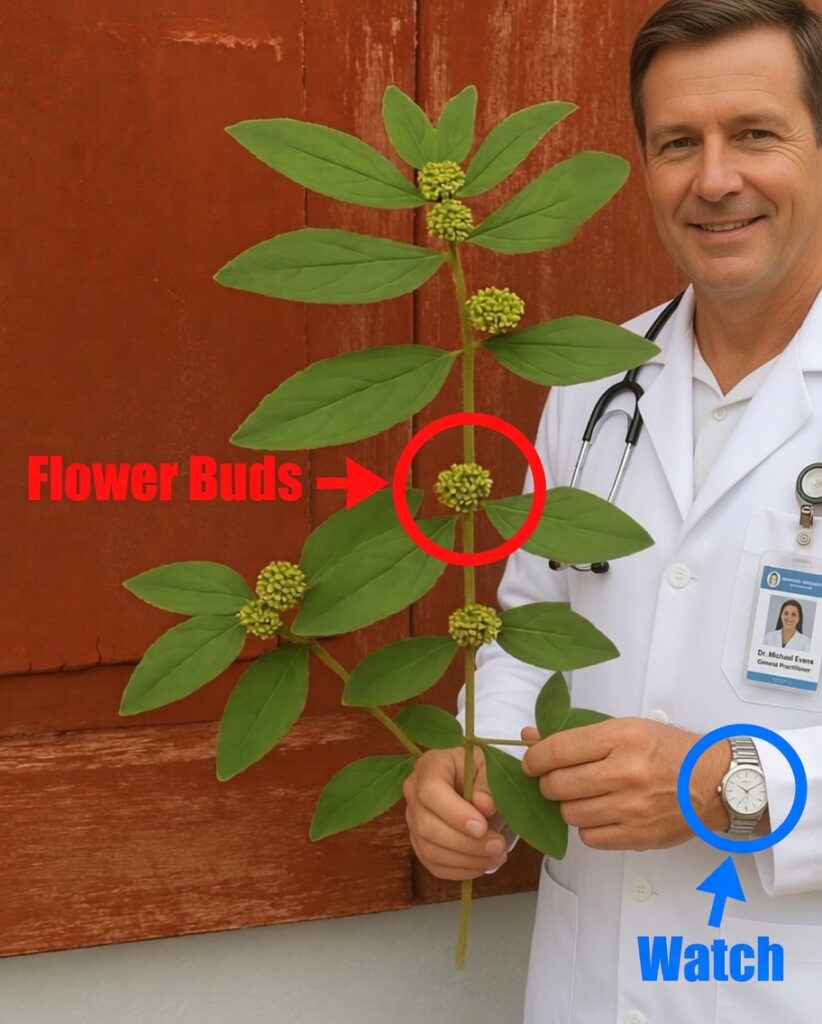
Difficulty breathing, a stubborn cough, or recurring digestive discomfort? A small herb used for centuries may be the natural ally you never expected.
People often place their trust in big promises—only to be disappointed. Nature works differently: it provides quiet, consistent support without asking for credit. One striking example is Euphorbia hirta, widely known as asthma weed or snakeweed. Frequently dismissed as an ordinary weed, this modest plant has a long history in traditional medicine across Asia, Africa, and South America, valued for its broad range of therapeutic uses.
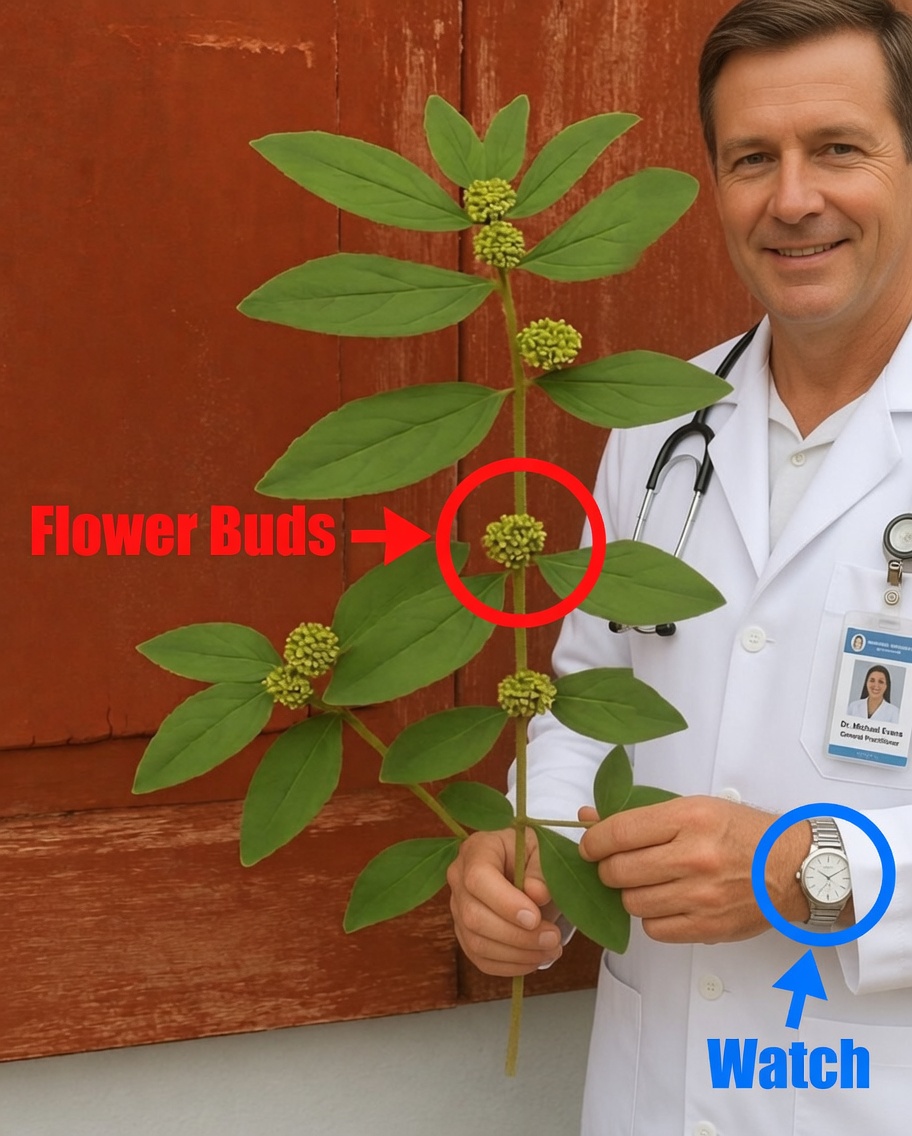
Despite its simple appearance, Euphorbia hirta contains multiple bioactive compounds—including flavonoids, tannins, and triterpenoids—that may help support immune function, promote digestive balance, and aid respiratory comfort. Research has highlighted its antimicrobial, anti-inflammatory, and antioxidant potential, which explains why it has traditionally been used for concerns such as asthma, diarrhea, minor skin wounds, and even stress-related discomfort. Yet, much like quiet, dependable helpers in our lives, this plant is often overlooked—growing along roadsides, in fields, or even in home gardens.
This article explores the hidden potential of Euphorbia hirta—its background, natural constituents, key health benefits, common ways it’s used, and essential safety considerations.
History and Traditional Use
Across generations, different cultures have turned to Euphorbia hirta as a natural remedy:
- Philippines: Traditionally used as supportive care for dengue-related symptoms and respiratory issues
- India: In Ayurvedic practice, it has been recommended for asthma, cough, and digestive disturbances
- Parts of Africa: Commonly applied for wounds, skin infections, and parasitic conditions
- Latin America: Known for its calming effects and antibacterial reputation
Its presence in so many healing traditions highlights how versatile and valued this plant has been worldwide.
Key Natural Compounds in Euphorbia Hirta
Several naturally occurring compounds contribute to the plant’s traditional and studied effects:
- Flavonoids: Antioxidants that help neutralize free radicals
- Tannins: Known for digestive support and antimicrobial activity
- Triterpenoids: Often associated with anti-inflammatory properties
- Alkaloids: Bioactive constituents that can influence physiological processes
- Saponins: Linked to immune support and may contribute to cholesterol balance
Main Health Benefits
1. Respiratory Support
Commonly called asthma weed, Euphorbia hirta has traditionally been used to help relax the airways and ease inflammation, making it a frequent choice for persistent coughs and mild breathing discomfort.
2. Digestive Relief
Thanks to its tannins and alkaloids, the herb has been used to help manage diarrhea, soothe stomach discomfort, and support the body in cases of intestinal parasites.
3. Wound Cleansing and Skin Recovery
When used externally, the plant has a history of helping clean minor cuts, potentially lowering the risk of infection and supporting natural healing.
4. Immune System Support
Its flavonoids and saponins may help the body defend itself by reducing oxidative stress and reinforcing natural immune resilience.
5. Mild Calming Effect
In folk practice, Euphorbia hirta tea is sometimes used as a gentle, natural relaxant—supporting calmness and easing anxious tension.
6. Potential Support for Blood Sugar Balance
Some early studies suggest plant extracts may help with glucose regulation, though more robust human research is still needed.
Natural Ways to Use Euphorbia Hirta
Euphorbia Hirta Tea
- Boil a small amount of dried leaves in water for 10–15 minutes
- Strain and drink while warm
- Traditionally used for mild respiratory or digestive discomfort
Fresh Leaf Poultice
- Crush fresh leaves into a paste
- Apply to small cuts or insect bites
- Traditionally used to help calm the skin and reduce exposure to microbes
Herbal Skin Wash
- Make a mild infusion using the plant and warm water
- Use it to cleanse areas with minor irritation or small rashes
Safety Notes and Precautions
Even with a long history of traditional use, sensible precautions matter:
- Avoid excessive intake—very high amounts may trigger nausea or irritation
- If pregnant or breastfeeding, consult a qualified health professional before use
- Confirm correct identification—some look-alike species can be toxic
- This herb should not replace prescribed medical care, especially for chronic or serious conditions
Conclusion
Like a quiet person whose value is only recognized over time, Euphorbia hirta is a humble plant with surprisingly wide potential. Often dismissed as a weed, it has been traditionally used to support breathing comfort, digestive health, wound care, immune strength, and relaxation.
Nature’s most powerful solutions are sometimes the simplest—and often growing right in front of us. This small plant is a reminder that meaningful benefits can come from the most unassuming sources.