Sida Acuta: The Overlooked Roadside Herb with Traditional Healing Potential
For centuries, people have turned to Sida acuta to ease pain, build resilience, and support digestion. Could this often-forgotten herb offer benefits for you, too?
Have you ever walked past a small plant growing along a roadside and dismissed it as just another weed? Many humble-looking herbs that blend into the background can carry real value in traditional healing. Sida acuta is one of those plants—frequently overlooked, yet respected for generations in folk medicine.
Now consider this: what if a common herb that grows in tough conditions almost anywhere could help support your well-being in a natural way? Across parts of Asia, Africa, and Latin America, traditional communities have used Sida acuta to help calm inflammation, aid digestion, and strengthen the body.
With the rising global interest in natural remedies and plant-based wellness, more people are exploring medicinal herbs to complement a healthier lifestyle. Because Sida acuta contains antioxidants, minerals, and bioactive plant compounds, it may be one of nature’s most underestimated herbs. Read on to learn what it is, how it has been used traditionally, what research suggests, and how to approach it safely.
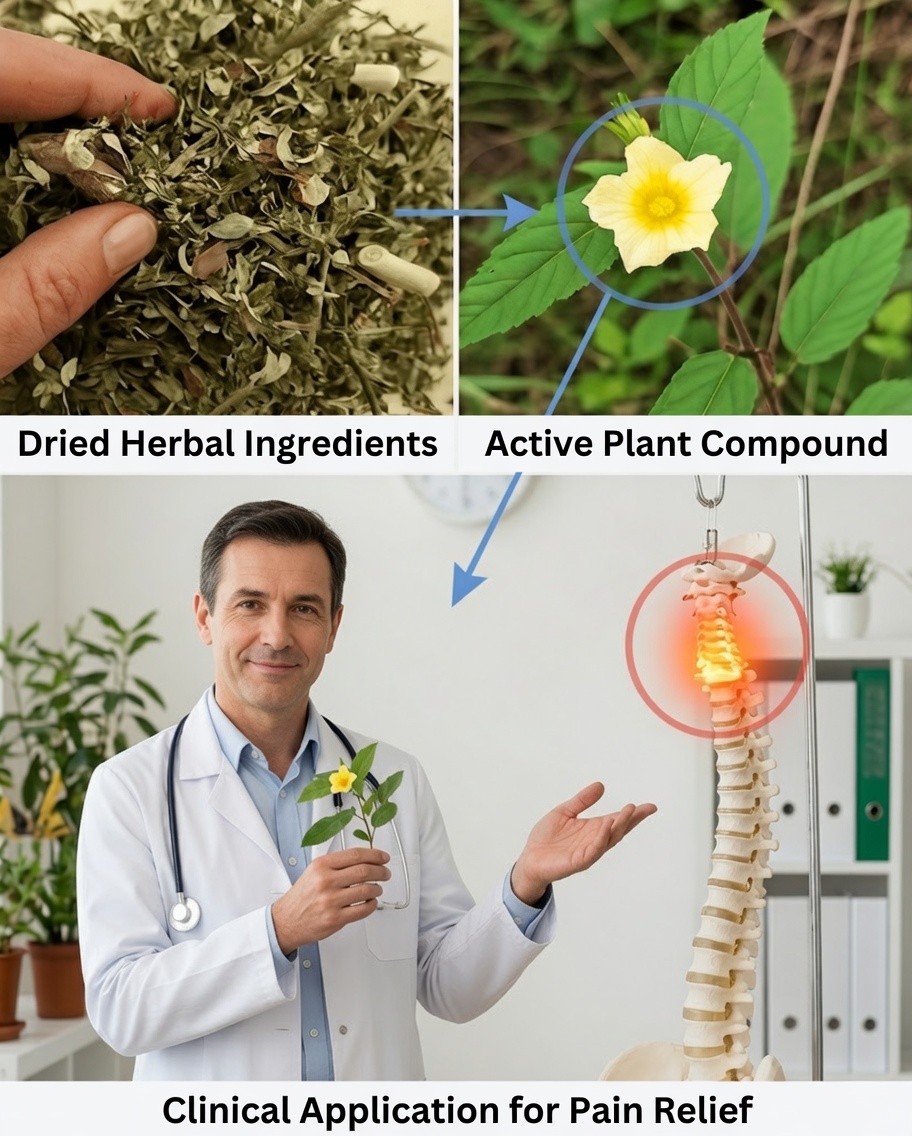
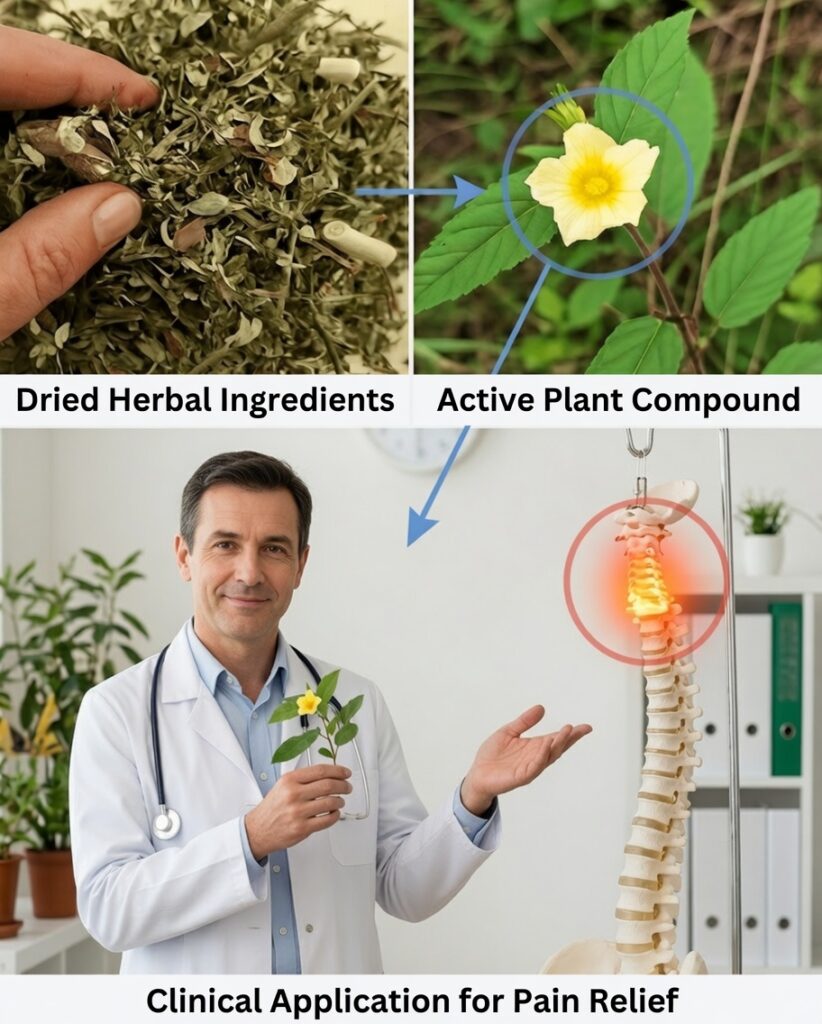
What Is Sida Acuta?
Sida acuta (sometimes called “wireweed” in English and known by many local names worldwide) is a perennial shrub found mainly in tropical and subtropical climates. It’s notably hardy—able to survive in poor soils and challenging environments where other plants struggle.
Key identification features
- Small yellow flowers
- Narrow, elongated leaves with serrated edges
- Firm stems that may reach around 1.5 meters (about 5 feet)
- Commonly seen along roadsides, open fields, and abandoned lots
Although it is often treated as an invasive weed, Sida acuta has a long history in traditional medicine.
Traditional Uses Across Cultures
For generations, rural and indigenous communities have relied on Sida acuta to support multiple aspects of everyday health and recovery.
Common traditional applications include
- Fever support: leaf infusions used to help reduce elevated body temperature
- Digestive comfort: roots and leaves used for stomach upset and mild diarrhea
- Wound care: crushed fresh leaves applied directly to minor cuts and skin irritation
- Inflammation relief: used for joint discomfort, swelling, and body aches
- Malaria support (traditional use): in parts of Africa, teas were used as a folk supportive measure
This wide range of uses helped make Sida acuta an important plant in community-based herbal traditions.
Natural Compounds and Key Nutrients
Modern investigations suggest that Sida acuta contains multiple plant compounds that may help explain its long-standing traditional value.
Notable constituents reported in research
- Flavonoids: antioxidants that help counter oxidative stress
- Alkaloids: compounds often associated with antimicrobial and pain-modulating activity
- Tannins: known for astringent properties that may support digestion and tissue recovery
- Saponins: may play a role in immune and circulation-related support
- Minerals: including iron, calcium, and magnesium, linked to energy, bone health, and overall function
Together, these components offer a plausible reason the plant has been used in different regions for similar wellness goals.
Potential Health Benefits (What Research and Tradition Suggest)
Anti-inflammatory support
Laboratory studies on plant extracts have shown anti-inflammatory activity, indicating possible value for muscle soreness, swelling, and joint discomfort.
Antioxidant protection
The plant’s flavonoids may help neutralize free radicals, supporting cellular protection related to aging and long-term health maintenance.
Antimicrobial activity
Some studies suggest antibacterial and antifungal potential, aligning with traditional topical use for minor wounds and mild skin concerns.
Circulation and blood sugar support (early evidence)
Preliminary research points to possible support for metabolic balance, including circulation and blood sugar regulation—however, more human studies are needed before drawing firm conclusions.
Traditional use for fatigue and low energy
Because it contains minerals such as iron, herbal infusions are traditionally used to help support energy levels, especially in cases associated with mild nutritional deficiency.
How to Use Sida Acuta Safely
Traditional practices use Sida acuta in several ways. If you choose to explore it, prioritize safe, conservative use—especially if you have underlying conditions.
1) Herbal tea (infusion)
- Boil 1 cup of water.
- Add 1–2 teaspoons of dried leaves.
- Steep for about 10 minutes.
- Drink up to once daily.
2) Fresh-leaf poultice (topical)
- Crush fresh leaves into a soft paste.
- Apply gently to minor cuts, small skin irritations, or insect bites.
3) Root decoction (use with professional guidance)
- Roots are sometimes boiled to make a stronger traditional drink, but this approach should be done only with guidance from a qualified herbal practitioner, due to potency and dosing uncertainty.
Important Precautions
“Natural” does not automatically mean “risk-free.” Responsible use matters.
- Avoid during pregnancy and breastfeeding.
- Possible interactions with medications for high blood pressure or diabetes.
- Use moderately, and avoid long-term, high-dose self-experimentation.
- If you have a medical condition or take prescription medication, consult a healthcare professional before use.
How to Fit Sida Acuta into a Natural Wellness Routine
Even without a specific health concern, some people use Sida acuta as part of a broader wellness-focused lifestyle.
Practical, gentle ways people use it traditionally
- Occasional tea for general balance and relaxation
- Topical application for small, everyday skin irritations
- Herbal support during periods of stress, fatigue, or low resilience
When paired with the fundamentals—balanced nutrition, regular movement, quality sleep, and hydration—this herb may serve as a supportive addition for those who choose traditional plant-based options.
Conclusion
At first glance, Sida acuta may look like an ordinary weed. Yet its long record in traditional medicine suggests a surprisingly rich role in natural health practices. With bioactive compounds, antioxidants, and essential minerals, it highlights how everyday plants can hold meaningful value.
While it is not a replacement for medical care, Sida acuta—used thoughtfully and with appropriate guidance—may become a simple, accessible ally in day-to-day wellness. Sometimes, what appears to be a forgotten roadside herb can turn out to be one of nature’s quiet treasures.