Tired eyes, blurry vision, or irritation after long hours on screens? Mint may be a simple, natural way to refresh your eyes and support overall eye health. Here’s how to use it safely and effectively.
More than 2.2 billion people worldwide live with some form of vision impairment. Cataracts, for instance, account for nearly half of global blindness cases. Millions rely on glasses or contact lenses every day to see clearly. But could a common, easy-to-find herb help support eye wellness naturally?
For centuries, mint (Mentha) has played a role in traditional medicine—not only for its cooling flavor, but also for its broad health-supporting properties. It’s widely used to aid digestion, soothe headaches, and provide a refreshing effect on the body. More recently, natural health communities have explored mint’s potential to support ocular comfort, particularly by helping the body manage oxidative stress and easing early signs of digital eye strain.
That said, mint is not a miracle cure and should never replace medical care or ophthalmologic treatment. Still, both scientific insights and traditional use suggest that adding mint to your routine may offer meaningful benefits for eye comfort and general well-being.
In this guide, you’ll learn how mint may contribute to eye health, discover easy ways to use it at home, and review everyday habits that help protect your vision long-term.
Mint: More Than a Cooling Herb
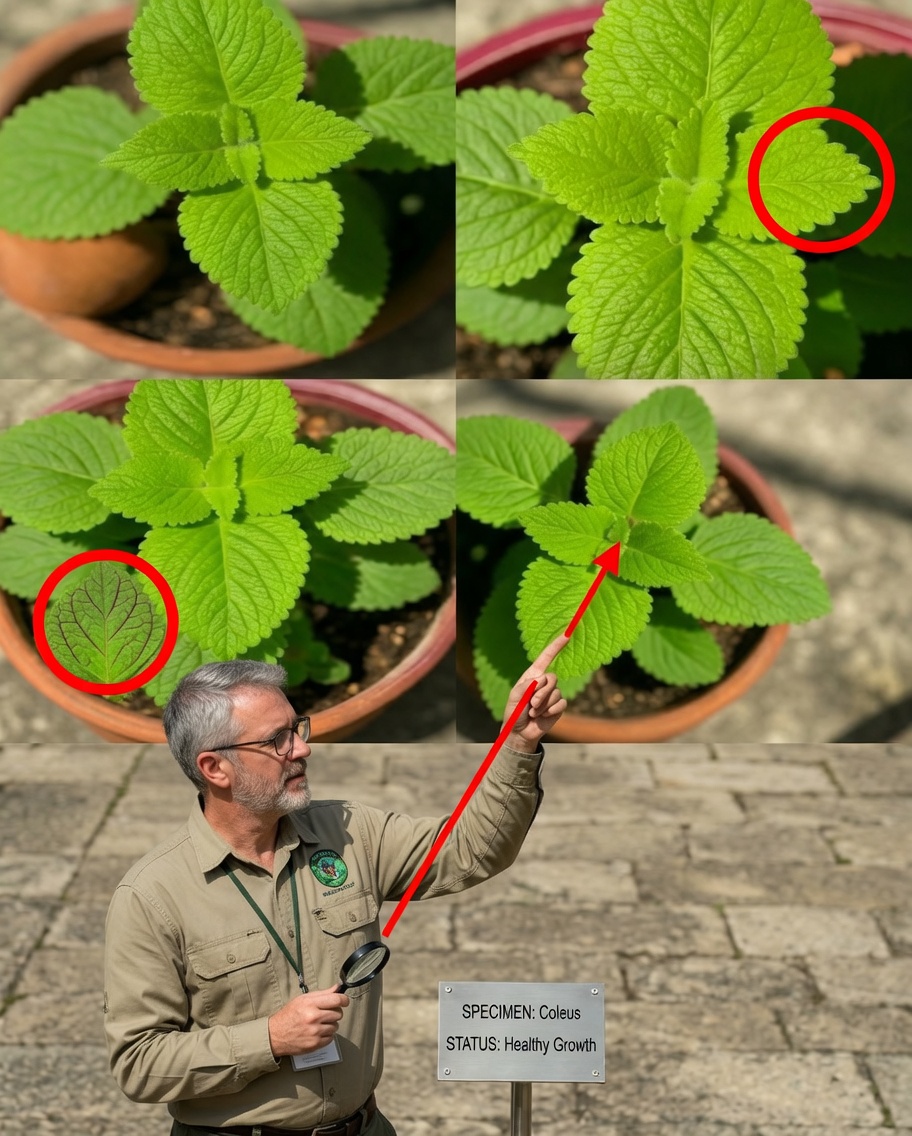
Mint is a hardy perennial plant known for its strong aroma and naturally refreshing taste. It contains over 30 bioactive compounds, including several that are relevant to wellness and circulation. Key nutrients and plant compounds include:
- Menthol: delivers a cooling sensation and may help stimulate circulation
- Vitamin A: essential for retinal function and the maintenance of eye tissues
- Vitamin C: a potent antioxidant that helps defend cells from damage
- Flavonoids: plant antioxidants that help combat inflammation and free radicals
- Iron and folate: support red blood cell production and healthy oxygen delivery to tissues
Traditional systems such as Ayurveda and Traditional Chinese Medicine have long used mint for headaches, digestive issues, and respiratory discomfort. Today, modern research is also investigating its potential role in supporting eye health and comfort.
How Mint May Support Eye Health
1. Antioxidant Support Related to Cataract Risk
Cataracts develop when proteins in the eye’s lens clump together and create cloudiness—often linked to oxidative stress. Mint provides antioxidants such as vitamin C and flavonoids, which may help neutralize free radicals and support the body’s natural defenses.
2. Vitamin A for Retinal Function
Vitamin A is critical for light-sensitive cells in the retina. Low vitamin A levels can contribute to night blindness and gradual vision problems over time. Fresh mint leaves can offer a natural, diet-based source of vitamin A (as part of an overall nutrient-rich diet).
3. Relief for Digital Eye Strain
Prolonged screen use commonly leads to dry, tired, irritated eyes. A cool mint tea compress may help relax the area around the eyes and reduce discomfort after intense visual work.
4. Circulation Support
Menthol is known for its stimulating, cooling effects and may promote healthy blood flow. Better circulation supports the delivery of oxygen and nutrients to tissues, including those around the eyes.
5. Cooling, Calming Comfort Around the Eyes
When used externally, mint’s refreshing sensation may help ease puffiness, redness, and irritation in the skin surrounding the eyes.
Easy Ways to Use Mint Daily
Fresh mint leaves (food use)
Add fresh mint to:
- salads
- green juices
- smoothies
- yogurt or fruit bowls
This is a simple way to get more antioxidants and vitamins through your diet.
Mint tea
Steep fresh or dried mint leaves in hot water for 5–10 minutes. Many people find it relaxing, and it can be an easy daily habit to support hydration and comfort.
Cold mint tea eye compress
- Brew mint tea and let it cool completely.
- Soak cotton pads in the tea.
- Place them over closed eyes for about 10 minutes.
This method is intended for external use only.
Peppermint essential oil (aromatherapy or temples only)
Use peppermint oil:
- in a diffuser
- diluted in a carrier oil and applied to the temples (not near the eyes)
It may support relaxation and help relieve tension headaches that often accompany eye strain.
Mint water or mild mint juice
Blend a small handful of mint leaves with water, strain if desired, and drink in moderation for a refreshing hydration boost.
Important Safety Notes
- Never put peppermint or mint essential oil directly into the eyes.
- Avoid overconsumption—large amounts may irritate the digestive system in some people.
- If you have an eye condition or ongoing symptoms, consult a qualified healthcare professional before using mint as a complementary approach.
Everyday Habits That Help Protect Your Vision
Mint can be a helpful addition, but lasting eye health depends on consistent lifestyle choices:
- Eat a nutrient-dense diet: Pair mint with lutein- and zeaxanthin-rich foods like spinach, kale, and eggs.
- Get omega-3s: Flaxseed, chia, and fatty fish may help reduce dry-eye symptoms.
- Follow the 20-20-20 rule: Every 20 minutes, look at something about 6 meters (20 feet) away for 20 seconds.
- Use UV protection: Wear sunglasses with UV protection outdoors.
- Stay hydrated: Adequate water intake helps support natural tear production.
Conclusion
Mint isn’t a cure for vision problems, but it can be a useful natural ally for supporting eye comfort and long-term eye wellness. Thanks to its antioxidants, vitamin content, and cooling compounds, mint may help reduce screen-related fatigue, calm irritation, and support the body’s defense against oxidative stress over time.
Combined with a balanced diet and smart visual habits, mint becomes a simple, affordable, and accessible way to care for your eyes naturally.
Frequently Asked Questions
Can mint cure cataracts?
No. Cataracts typically require medical evaluation and, in many cases, surgery. Mint may only offer supportive antioxidant benefits, not a cure.
Is it safe to apply mint directly into the eyes?
No. Only use external compresses made from cooled mint tea, and never place essential oils in or near the eyes.
How often can I consume mint?
For most adults, using mint daily in moderate amounts (such as in tea or food) is generally considered safe.
Disclaimer
This content is for informational purposes only and does not replace professional medical advice. If you have vision problems or persistent eye discomfort, consult an ophthalmologist or qualified healthcare professional.