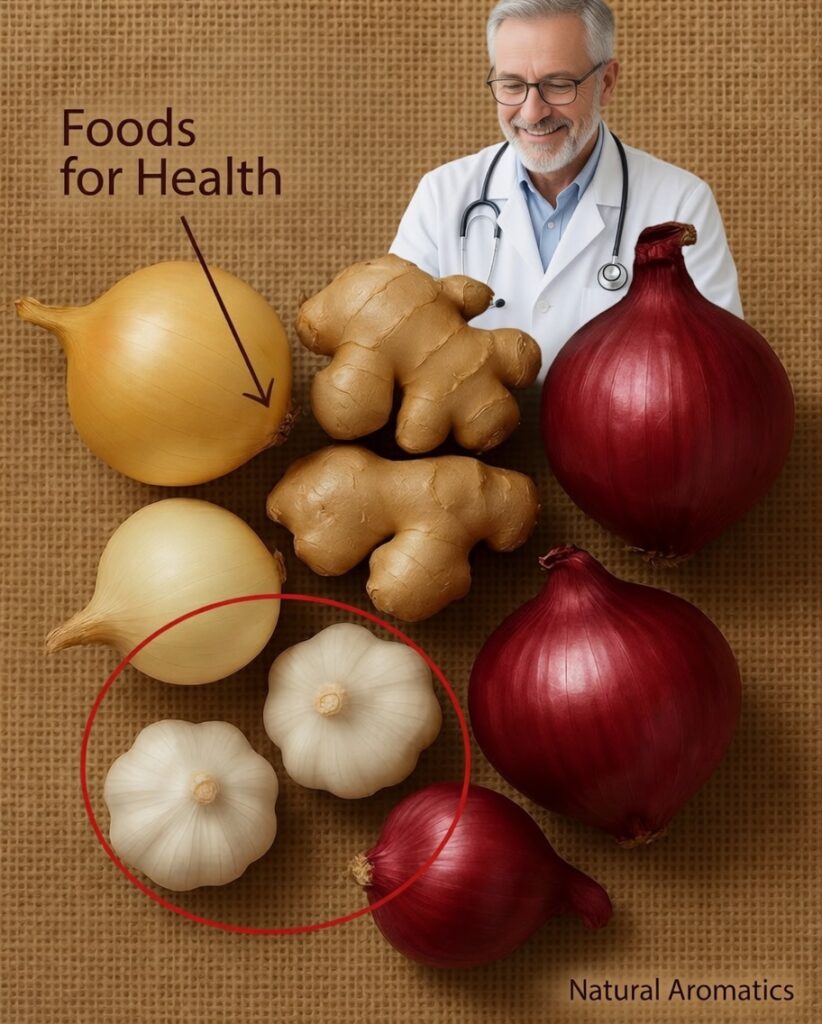
Most People Store Garlic and Ginger the Wrong Way—And Lose the Benefits
Around 95% of people store garlic and ginger incorrectly, which can quickly reduce their natural qualities that support digestion, immunity, and circulation. If you’ve ever bought onions, garlic, or ginger and noticed them sprouting, turning soft, drying out, or even growing mold after just a few days, you’re not alone.
The good news: with a few simple storage habits, you can keep these everyday essentials fresh for weeks—or even months—while preserving flavor, aroma, and quality. Below is a practical guide on how to store onions, garlic, and ginger correctly to cut food waste and always have better-tasting ingredients ready to cook.
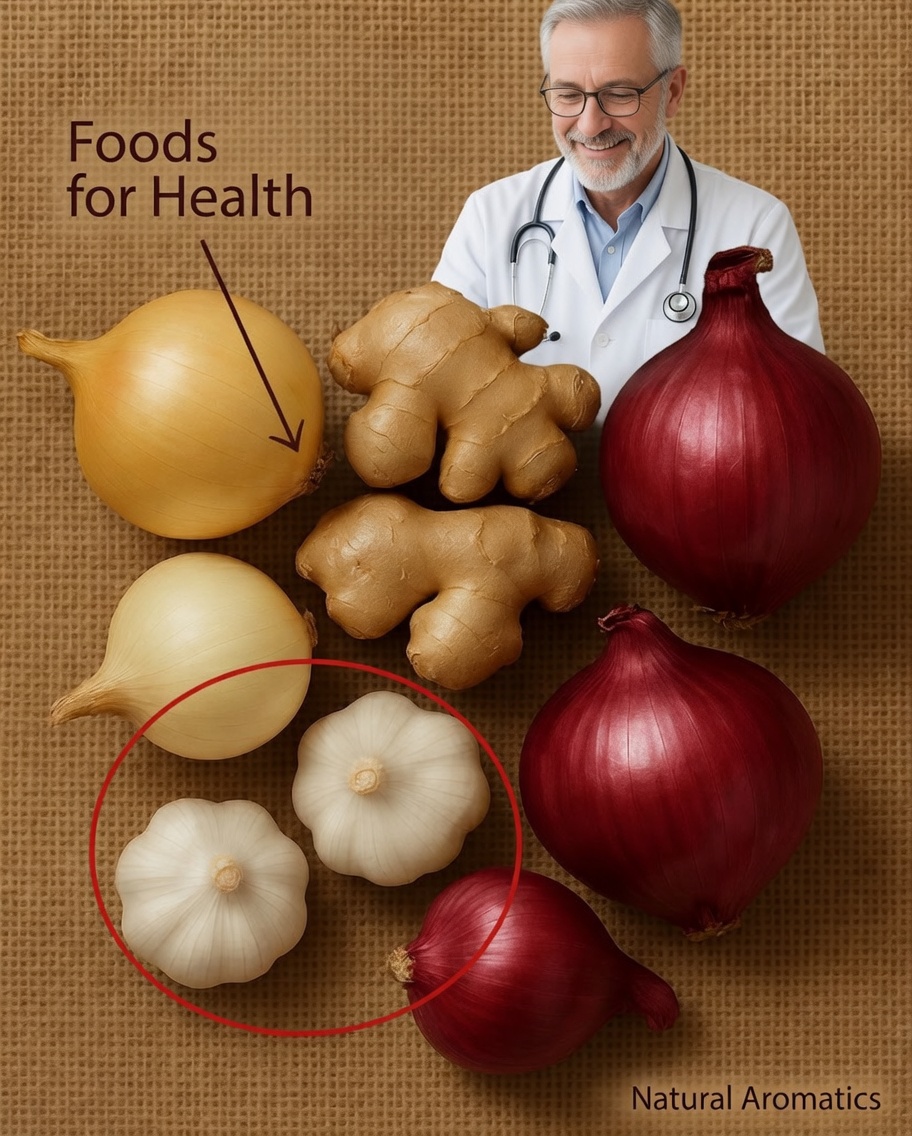
Why Proper Storage Matters
Onions, garlic, and ginger are foundational ingredients in kitchens worldwide. You’ll find them in soups, stir-fries, sauces, curries, marinades, and countless savory dishes.
Even though they’re often kept together, they don’t all thrive in the same conditions:
- Onions last best in a cool, dry, dark, well-ventilated place.
- Garlic also needs a dry, airy environment, but it spoils fast when exposed to moisture.
- Ginger has more moisture and is more delicate, so it usually keeps best in the refrigerator or freezer.
Understanding these differences helps protect not only shelf life, but also taste and nutrients.
How to Store Onions the Right Way
Whole Onions
For whole onions, choose a spot that is cool, dry, dark, and well-ventilated—such as a pantry or an airy cupboard.
Best practices:
- Store onions in mesh bags, baskets, or paper bags.
- Avoid sealed plastic bags, which trap moisture and speed up spoilage.
- Keep onions away from potatoes—potatoes release moisture and gases that can make onions rot faster.
Stored properly, whole onions can last about 3–4 weeks.
Cut Onions
Once an onion is cut, it must be refrigerated.
Do this:
- Wrap tightly in plastic wrap or place in an airtight container.
- Store in the fridge and use within 5–7 days.
For longer storage, you can dice and freeze onions. Freeze them in small portions so you can grab exactly what you need for quick meals.
How to Store Garlic Properly
Whole Garlic Bulbs
Whole garlic keeps best at room temperature in a dry, ventilated area.
Good storage options include:
- Baskets
- Garlic keepers (vented containers made for garlic)
- Mesh bags
Avoid storing whole garlic in the refrigerator, since cold temperatures can encourage early sprouting.
In ideal conditions, a whole bulb can last around 3–4 months.
Separated Garlic Cloves
Once cloves are separated from the bulb, they lose freshness faster.
- Expect separated cloves to stay good for 10–14 days.
- To extend this slightly, peel them and store in a tightly sealed container in the refrigerator.
Long-Term Garlic Storage (Months)
If you want garlic to last much longer, these methods work well:
- Freeze it: chop garlic (or mix with olive oil) and freeze in small portions.
- Roast and freeze: roasted garlic can be mashed into a paste and frozen.
- Preserve in vinegar: peeled cloves can be stored as pickles.
If garlic starts to sprout, it’s still usable. Simply remove the green shoot, which can taste more bitter.
How to Store Ginger for Maximum Freshness
Ginger contains more moisture than onions and garlic, so it tends to spoil faster if left unprotected.
Fresh Ginger
For whole fresh ginger, refrigeration is usually best—keep it unpeeled.
A reliable method:
- Wrap ginger in a paper towel.
- Place it inside a sealed bag or airtight container in the refrigerator.
This can keep ginger fresh for 3–4 weeks.
Cut or Peeled Ginger
Once ginger is cut, it needs protection from air to prevent drying and spoilage.
- Wrap tightly in plastic wrap or
- Store in a small airtight container
Use within about 7 days.
Freezing Ginger (Highly Recommended)
Ginger freezes extremely well. You can freeze it as:
- Peeled slices
- Grated ginger
- Small chunks
A major advantage: frozen ginger can be grated straight into recipes without thawing.
Common Storage Mistakes to Avoid
Small habits can dramatically shorten shelf life. Try not to:
- Store onions, garlic, and potatoes together.
- Put whole onions in the refrigerator (they soften and spoil more quickly).
- Leave ginger uncovered and exposed, which causes it to dry out fast.
- Store everything in fully sealed containers with no ventilation (especially onions and garlic).
Fixing these simple issues can significantly reduce waste.
Conclusion: Simple Rules for Longer-Lasting Onions, Garlic, and Ginger
Storing these ingredients correctly is easy once you remember the basics:
- Onions and garlic prefer cool, dry, dark, and well-ventilated storage.
- Ginger stays freshest in the refrigerator or freezer.
- Avoiding excess moisture and ensuring airflow are key.
With these practical storage techniques, you’ll keep onions, garlic, and ginger fresh longer, save money, reduce food waste, and boost flavor in your everyday cooking.