
6 Nutrient-Rich Seeds That May Support Long-Term Wellness
As people get older, many start paying closer attention to habits that can help protect their health. Concerns about serious illnesses, including cancer, often lead people to search for simple dietary changes that may support the body over time. Although no single ingredient can completely prevent disease or erase health risks, some seeds have gained scientific interest for their rich supply of antioxidants, fiber, and healthy fats.
Current laboratory and population-based research suggests that several everyday seeds may play a valuable role in a balanced, health-conscious diet. In this guide, we’ll look at six seeds commonly linked to overall wellness and share practical tips for adding them to your meals safely and effectively.
Why Seeds Are Worth Adding to Your Diet
Seeds may be small, but their nutritional value is impressive. They contain essential fatty acids, fiber, minerals, and beneficial plant compounds that can support digestion, cardiovascular health, and a healthy inflammatory response. Research has also linked diets rich in seeds and nuts with better outcomes in long-term chronic disease prevention.
Their benefits are most meaningful when they are eaten regularly and in moderate amounts as part of a varied eating pattern. Rather than acting as a cure-all, seeds work best alongside other nutritious whole foods.
1. Flaxseeds: Rich in Omega-3s and Lignans
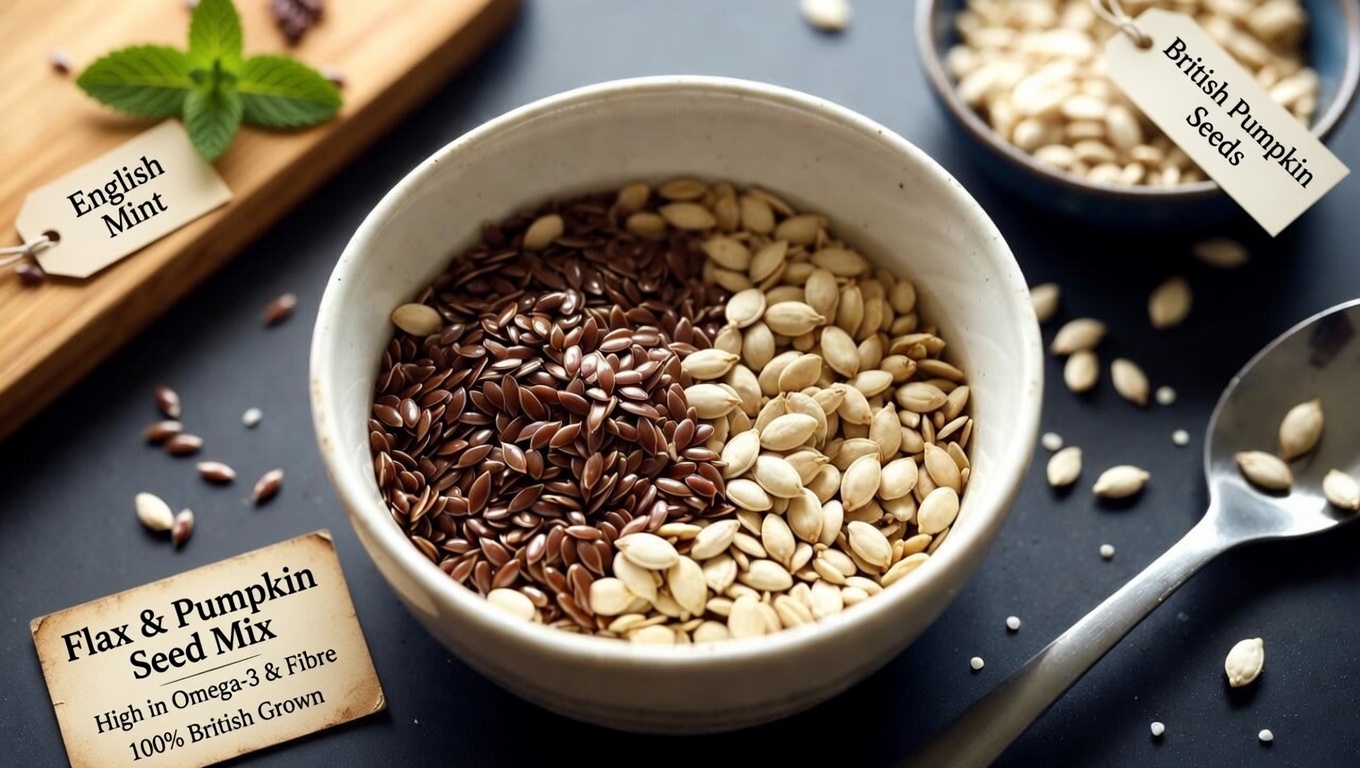
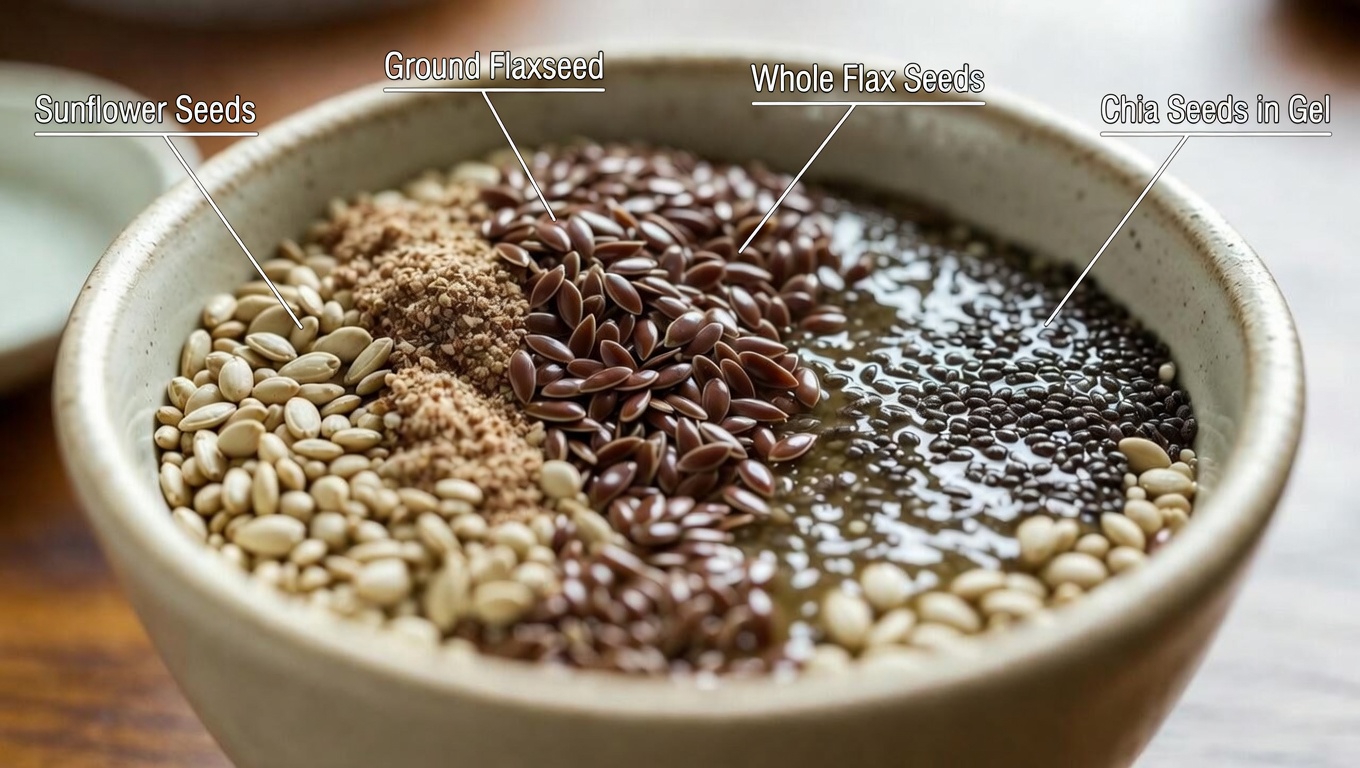
Flaxseeds are especially well known for their alpha-linolenic acid, a plant-based omega-3 fat, and lignans, antioxidant compounds that have been widely studied. Clinical research, including studies involving breast cancer patients, has explored how ground flaxseed may positively affect certain cellular processes when included in the diet.
Key benefits of flaxseeds include:
- High soluble fiber content that may support digestive health
- Natural plant compounds studied for hormone-related effects
- Better nutrient absorption when freshly ground
A common recommendation is to begin with 1 to 2 tablespoons per day, especially if you are not used to high-fiber foods.

2. Chia Seeds: High in Fiber and Healthy Fats
Chia seeds are popular because they absorb liquid and form a gel-like texture, which may help with hydration and provide steady energy. They are packed with fiber and omega-3 fats, both of which are associated with inflammation control and metabolic health.
A quick nutrient comparison per ounce shows why they are so often recommended:
- Chia seeds: around 10 grams of fiber and a strong calcium content
- Flaxseeds: a similar amount of fiber, with higher lignan levels
Chia seeds are easy to use in daily meals. You can stir them into yogurt, add them to smoothies, or soak them in water or milk to make a simple pudding.
3. Pumpkin Seeds: A Good Source of Magnesium and Zinc
Pumpkin seeds, also known as pepitas, provide important minerals such as magnesium and zinc. Magnesium helps support muscle and nerve function, while zinc plays a key role in immune health. Laboratory studies have also examined pumpkin seed compounds for their potential to help protect cells from damage.
They are convenient, versatile, and easy to enjoy in small portions. Try adding them to:
- Salads
- Homemade trail mixes
- Oatmeal
- Roasted vegetable dishes
A small handful is usually enough to deliver nutritional value without adding too many extra calories.
4. Sunflower Seeds: Vitamin E and Heart-Healthy Fats
Sunflower seeds are a strong source of vitamin E, an antioxidant that helps protect cells from oxidative stress. They also contain monounsaturated fats, which are commonly associated with heart health. Population research has connected regular intake of nuts and seeds, including sunflower seeds, with lower risk for several chronic conditions.
For the best flavor, you can lightly roast them at home. Since they are calorie-dense, it is still wise to keep portions moderate.
5. Sesame Seeds: Calcium and Protective Plant Compounds
Sesame seeds offer calcium for bone support along with sesamin, a natural compound that has been studied for its anti-inflammatory potential. In many traditional diets, sesame seeds are used in small amounts to boost both flavor and nutrition.
Simple ways to use sesame seeds include:
- Sprinkling them over stir-fries
- Adding them to bread or crackers
- Mixing them into grain bowls
- Topping roasted vegetables
Lightly toasting them before use can improve both aroma and taste.
6. Hemp Seeds: Complete Protein With Balanced Fats
Hemp seeds stand out because they contain all essential amino acids, making them an excellent plant-based protein option. They also provide omega-3 and omega-6 fats in a favorable balance, which may help support overall nutritional wellness.
Their mild, nutty flavor makes them easy to add to many foods, such as:
- Smoothies
- Oatmeal
- Yogurt bowls
- Salads
Because they require no grinding or soaking, hemp seeds are one of the most convenient options for everyday use.
How Seeds Support a Healthy Lifestyle
Organizations such as the American Institute for Cancer Research emphasize the importance of plant-forward eating patterns for long-term health. Seeds can be a useful part of that approach, especially when paired with fruits, vegetables, whole grains, legumes, and regular physical activity.
It is important to remember that no seed can work miracles on its own. Their real value comes from contributing to an overall pattern of balanced nutrition and healthy living.
Practical Ways to Start Using Seeds Today
If you want to make seeds part of your daily routine, these simple steps can help:
- Start gradually: Begin with about 1 tablespoon per day so your digestive system can adjust
- Grind flaxseeds when possible: This helps your body access more of their nutrients
- Store them correctly: Keep seeds in a cool place, ideally the refrigerator, to protect their natural oils
- Rotate different types: Switching between varieties gives you a wider range of nutrients
- Add them to everyday meals: Try them in smoothies, salads, oatmeal, yogurt, soups, or baked goods
Building the habit slowly often makes it easier to maintain over the long term.
Important Safety Information
Most edible seeds are safe when consumed in moderation, but not every seed promoted online is harmless. Bitter apricot kernels, for example, contain compounds such as amygdalin that can release cyanide in the body and create serious health risks, including poisoning. Health agencies, including the FDA and major cancer research groups, advise against using them because they have not been proven beneficial and may be dangerous.
For safety, follow these guidelines:
- Choose common edible seeds from reputable brands or trusted suppliers
- Avoid unusual or unregulated products marketed with extreme health claims
- Speak with your doctor before making major dietary changes
- Be especially cautious if you have allergies, digestive issues, or take prescription medications
Conclusion: Small Daily Choices Can Make a Difference
Including a variety of nutrient-dense seeds in your meals is a simple and enjoyable way to improve your diet. These foods provide fiber, beneficial fats, minerals, protein, and plant compounds that help support the body’s normal functions. While they are not a substitute for medical care, they can be a smart addition to a well-rounded lifestyle focused on whole foods, variety, and consistency.
FAQ
How many seeds should I eat each day?
A practical starting point is 1 to 2 tablespoons total per day, divided across meals. This amount can provide nutritional benefits without adding too many calories at once.
Are these seeds suitable for everyone?
Most people can enjoy them without problems, but anyone with allergies, digestive sensitivity, or specific medical conditions should introduce them slowly. If you are unsure, consult a healthcare professional.
Can seeds replace medical treatment?
No. Seeds can support general wellness, but they do not prevent, cure, or treat disease by themselves. They are most effective when combined with professional medical guidance and a healthy overall lifestyle.