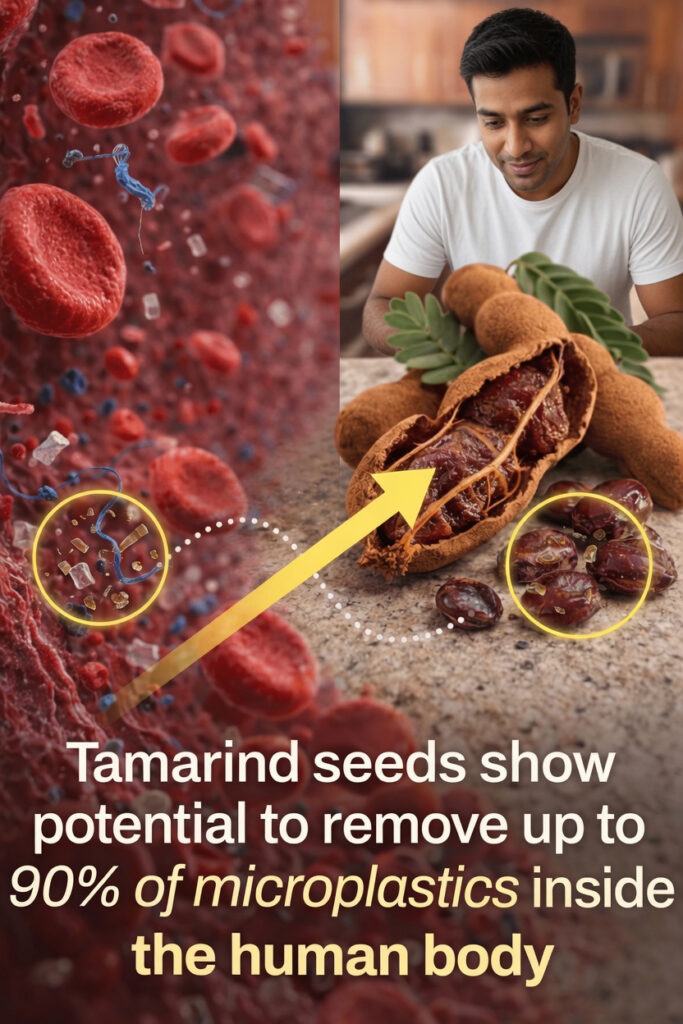
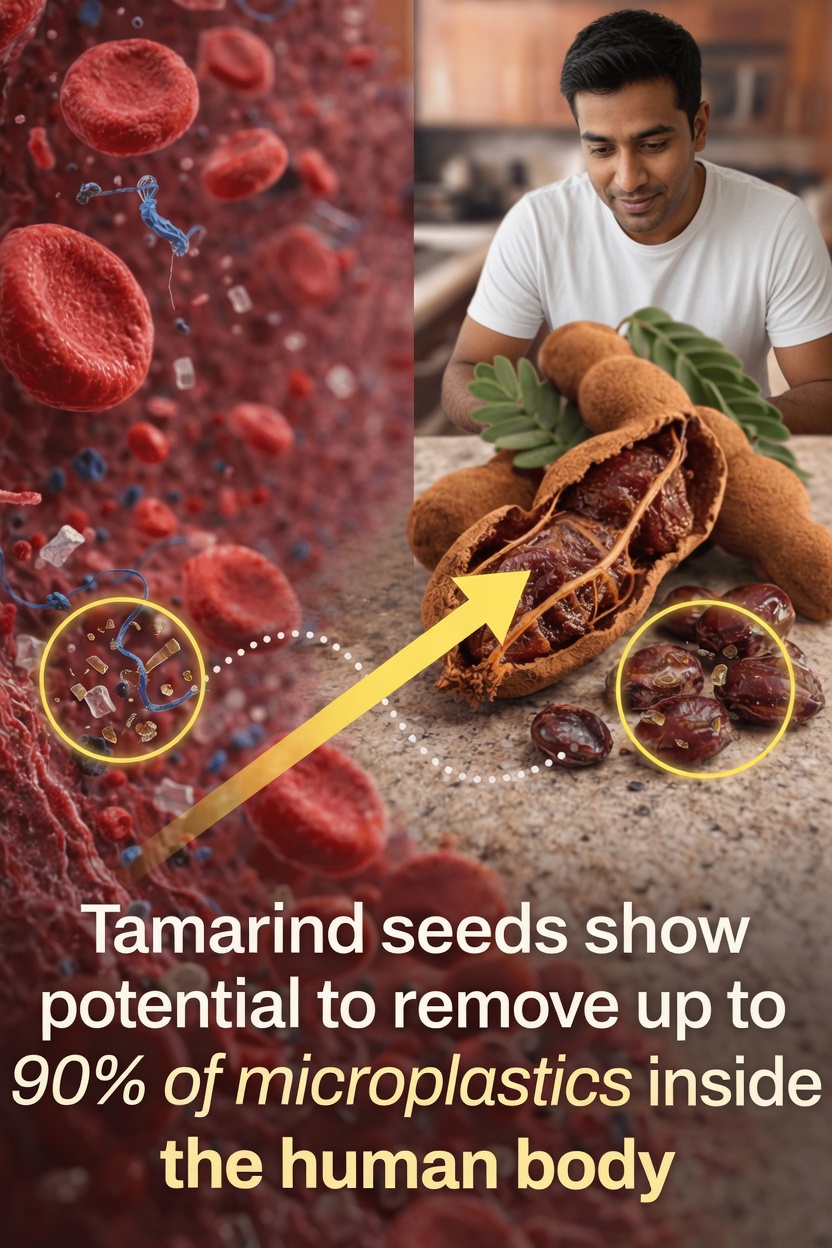
Tamarind Seeds and Microplastics: A Natural Idea Researchers Are Beginning to Explore
Microplastics have now been identified in human blood, lungs, liver, and even brain tissue. These microscopic plastic particles come from everyday sources such as food packaging, synthetic clothing, bottled water, and contaminated air. After entering the body, they are difficult to break down and may remain there for a long time.
It is understandable that many people feel concerned when they realize how common microplastic exposure has become. A recent early-stage laboratory investigation points to a simple and natural possibility: tamarind seeds may help support the body’s normal waste-elimination functions. And the most intriguing part of this research lies in how the process may work.
Why Microplastics Are Becoming Impossible to Overlook
Microplastics, generally defined as plastic fragments smaller than 5 mm, have been found in nearly every human organ examined to date. Some estimates suggest that the average person may swallow or breathe in thousands of these particles every week. Researchers are still studying the long-term health effects, but rising concern centers on inflammation, oxidative stress, and potential disruption of hormone activity.
One major problem is that the human body does not have a specialized system for breaking down or efficiently removing most synthetic plastic materials. Popular detox approaches like fasting, sauna sessions, or common cleansing supplements have little direct evidence showing they can specifically eliminate microplastics.
Because of this, scientists are increasingly interested in plant-derived substances that may attach to plastic particles in the digestive system or circulation, making it easier for the body to remove them naturally.
What Researchers at Tarleton State University Observed
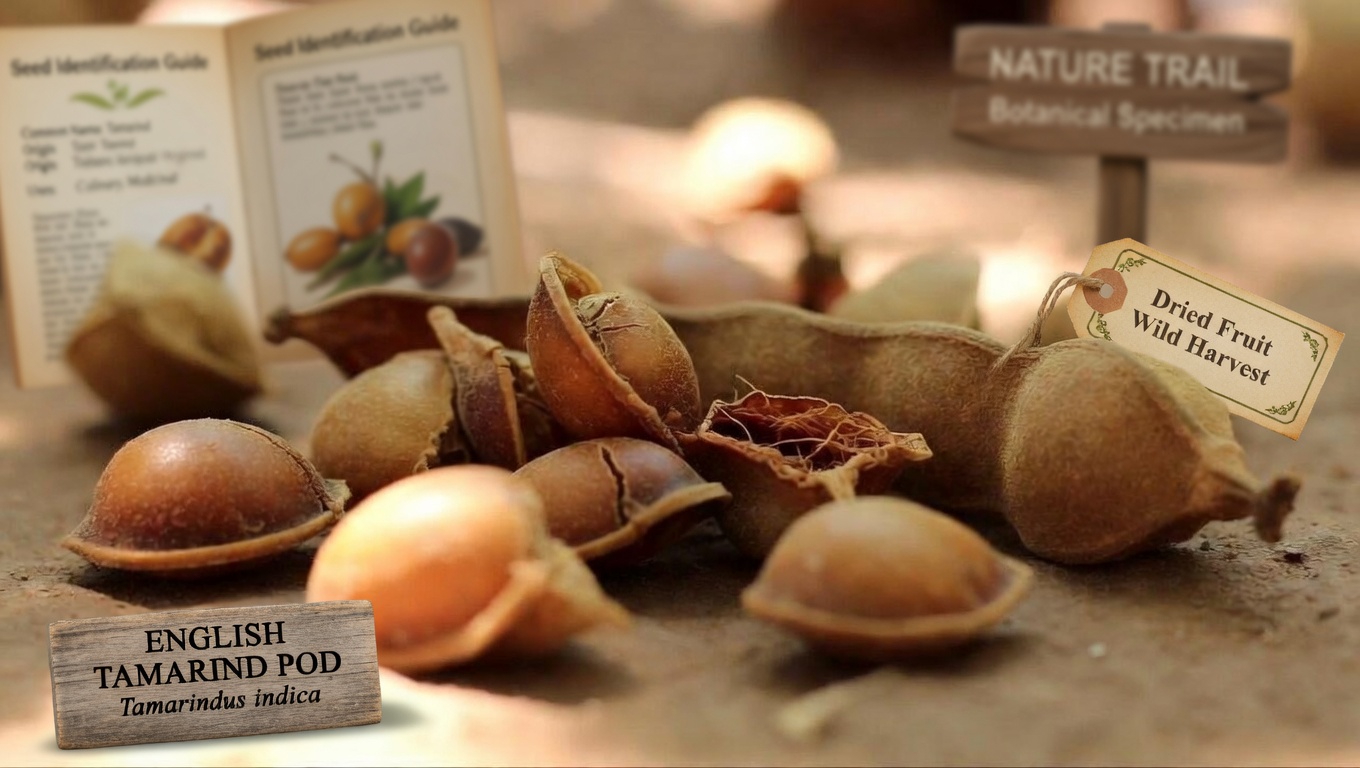
A research team at Tarleton State University in Texas turned its attention to tamarind seeds. These seeds come from Tamarindus indica, a fruit long used in traditional Asian and African cooking and folk remedies. Tamarind seeds contain a range of active compounds, including tannins, polyphenols, proteins, and other naturally occurring molecules.
In controlled laboratory testing, tamarind seed extract showed the ability to attach to certain forms of microplastics in simulated biological conditions. In digestion-based models designed to resemble what happens in the human body, the extract captured and helped remove up to 90% of some types of microplastic particles through waste.
The researchers also carried out small pilot observations in humans, although this was not a full clinical trial. People who took a standardized tamarind seed preparation had noticeably higher levels of microplastic particles in stool samples than those in the control group during the same time frame.
That said, a careful note is essential: this research is still preliminary. As of early 2026, the findings have not yet appeared in a peer-reviewed journal, and larger human studies are still required before strong conclusions can be made.
How Tamarind Seeds May Help: The Science Made Simple
Tamarind seeds contain several natural substances that may explain these early findings:
- Tannins: These plant polyphenols can bind with a variety of compounds, including some synthetic materials.
- Proteins and polysaccharides: These may behave like a sticky mesh, trapping tiny particles.
- Antioxidants: These support digestive health overall, which may indirectly improve normal elimination.
The leading explanation is a process called adsorption. In simple terms, microplastic particles may cling to compounds in tamarind seeds during digestion. Once attached, they can move through the intestines and leave the body in stool rather than being absorbed or recirculated.
But that may only be part of the picture.
Simple Ways to Use Tamarind Seeds in Daily Life
You do not necessarily need a specialty supplement to try tamarind seeds in a cautious and practical way. Many people already use tamarind in traditional food routines. If you want to experiment safely, these are common steps:
- Buy whole tamarind pods from Asian, Indian, Latin American markets, or reputable online sellers.
- Open the pods and separate the sticky pulp from the hard seeds inside.
- Keep the seeds and rinse them well.
- Dry them completely in sunlight for 2 to 3 days, or place them in a low-temperature oven at 50°C / 122°F for several hours.
- Grind the dried seeds into a fine powder using a coffee grinder, spice grinder, or mortar and pestle.
- Begin with a small amount, around ½ to 1 teaspoon daily.
- Mix the powder into warm water, herbal tea, yogurt, or a smoothie.
- Store it properly in an airtight container in a cool, dark place.
In many traditional food systems, tamarind seed powder has already been used in modest amounts to support digestive comfort.
Tamarind Seeds Compared With Popular Detox Approaches
Here is a quick overview of how tamarind seed powder compares with other common detox trends:
-
Tamarind seed powder
- Evidence for microplastics: Early lab findings and pilot observations
- Accessibility: High
- Cost: Low
- Safety: Generally considered safe in moderate food-like amounts
-
Activated charcoal
- Evidence for microplastics: Very limited
- Accessibility: High
- Cost: Low
- Safety: May interfere with nutrient absorption and medications
-
Bentonite clay
- Evidence for microplastics: Minimal
- Accessibility: Medium
- Cost: Low
- Safety: May cause constipation or digestive discomfort
-
Infrared sauna
- Evidence for microplastics: No specific evidence
- Accessibility: Low
- Cost: High
- Safety: Risk of dehydration
-
Juice cleanses
- Evidence for microplastics: None
- Accessibility: Medium
- Cost: Medium
- Safety: May lead to nutrient imbalance or calorie deficiency
Important Safety Points to Remember
Tamarind seeds have been eaten for generations in many parts of the world and are generally safe when used moderately. Even so, it is wise to be careful.
- Start with a low dose to see how your digestion responds.
- Avoid use if you are allergic to tamarind or legumes.
- Speak with a healthcare professional first if you are pregnant, breastfeeding, taking medication, or managing a chronic condition.
- Do not replace medical care or prescribed treatment with any food-based practice.
What This Could Mean for You Right Now
No food, herb, or seed can instantly remove all microplastics from the body. Still, supporting the body’s natural elimination pathways through diet may be a practical and low-risk step while larger studies continue.
One of the most promising aspects of tamarind is its accessibility. It is affordable, widely available, pleasant in taste when prepared properly, and may offer additional digestive benefits that some people notice fairly quickly.
Over time, small daily habits often matter more than dramatic short-term efforts.
Frequently Asked Questions
How much tamarind seed powder is usually considered safe per day?
Traditional use often falls within 1 to 3 grams daily, which is about ½ to 1 teaspoon. There is no official maximum intake established yet, so a conservative approach is best.
Can children or older adults use tamarind seeds?
Children and elderly individuals should only use tamarind seed preparations with medical guidance, since digestion and tolerance can vary more in these age groups.
Does tamarind pulp work the same way as the seeds?
Probably not. The compounds researchers are most interested in appear to be much more concentrated in the seeds, rather than in the sweet, sticky pulp.
How quickly might someone notice a difference?
The early pilot observations reported changes within a few days to a couple of weeks, but individual responses may differ significantly. Long-term human data is still not available.
Final Thoughts
Microplastics are now a worldwide concern, and science is still trying to understand the best ways to reduce their impact on human health. While the research remains early, tamarind seeds offer an interesting natural option that may support the body’s normal removal processes. For many people, exploring safe, food-based strategies like this can provide a sense of control while the evidence continues to grow.