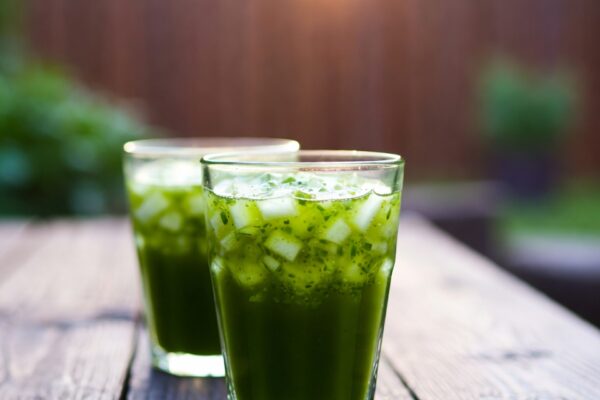
Drink Celery Juice for 7 Days: What It May Change in Your Digestion, Skin, and Energy (Most People Miss This One Detail)
Have you ever woken up feeling tired, bloated, or just “off”? Even when you try to drink more water, eat better, and go to bed earlier, your body doesn’t always respond the way you expect. That’s usually when social media starts pushing the idea that one single ingredient can “cleanse” your entire system.
But is that actually true?
The truth is more nuanced—and more useful. Celery can absolutely fit into a natural, healthy routine, but the most important detail about using it effectively is not what most people assume.
Read to the end to learn how to use celery juice (or whole celery) in a balanced way that supports real, sustainable wellness.

Why Celery Is Linked to “Detox” and Cleansing
In recent years, celery became famous as a detox food, especially as a bright green juice. Some claims suggest it “purifies the blood” or cleans internal organs.
In reality, your body already has highly effective built-in detox systems—mainly the liver and kidneys—working around the clock to filter and process waste.
No single food can magically detox your body.
Still, that doesn’t make celery useless. It contains nutrients and plant compounds that can support overall well-being—especially when it’s part of a balanced diet.
What’s Actually Inside Celery?
Celery is mostly water, which can help with hydration. Beyond that, it provides a helpful mix of vitamins, minerals, and antioxidants.
Key nutrients found in celery include:
- Vitamin K, important for blood clotting and bone health
- Vitamin C, which supports immune function
- Potassium, essential for fluid balance and normal muscle function
- Folate, in smaller amounts
- Dietary fiber (mainly when you eat celery whole)
Celery also contains natural antioxidants such as flavonoids, including apigenin and luteolin. Research suggests these compounds may help the body handle oxidative stress, a normal process associated with cellular aging.
That doesn’t mean celery cures disease—but it can contribute to an antioxidant-rich eating pattern.
Celery Juice vs. Whole Celery: Which Is Better?
Here’s the detail most people overlook:
When celery is juiced, much of the fiber is removed. And fiber matters—a lot—for digestion, gut microbiome balance, and steady fullness.
Quick comparison:
Whole celery
- Higher in fiber
- Helps with satiety
- More supportive for digestion
Celery juice
- Very hydrating
- Fast and convenient
- Contains less fiber
If your goal is better digestion and more stable day-to-day energy, whole celery often offers more advantages. Celery juice can still be a practical way to increase vegetable and fluid intake—just don’t expect it to replace what fiber does.
Does Celery Actually “Detox” the Body?
So far, there’s no strong scientific evidence that celery alone detoxifies the liver, kidneys, or blood.
However, eating a diet high in vegetables (including celery) is associated with:
- Better cardiovascular health
- More balanced digestion
- A healthier-looking skin appearance
- Lower risk of certain chronic diseases
Most of these benefits come from your overall diet pattern—not from one “miracle” ingredient.
The Real Power: A Small, Consistent Healthy Ritual
There’s a behavioral insight worth highlighting: small habits repeated consistently often create the biggest long-term change.
Having a glass of celery juice in the morning—or adding celery to meals—can become a daily cue to take better care of yourself. That simple routine may naturally encourage other supportive habits, such as:
- Drinking more water
- Eating more vegetables
- Cutting back on ultra-processed foods
- Paying closer attention to portion sizes
Sometimes the biggest benefit isn’t the celery itself—it’s the mindset shift that comes with the ritual.
How to Add Celery to Your Routine (Practical Options)
1. Celery juice in the morning
- Wash a fresh bunch of celery thoroughly.
- Juice it without adding sugar.
- Drink it with a balanced breakfast, not as a meal replacement.
Tip: If the flavor is too intense, add cucumber or a few drops of lemon.
2. Whole celery for more fiber
- Slice celery stalks into sticks.
- Eat as a snack with:
- hummus
- yogurt-based dips
- natural peanut butter
- Add to salads, soups, and stir-fries for crunch and volume.
3. Hydration-focused days
Pair celery with other water-rich choices like:
- watermelon
- cucumber
- leafy greens
- lemon water
This combination supports hydration and can help you feel lighter and more energized.
Who Should Be Cautious?
Celery is generally safe, but some people should be more careful:
- Those taking blood-thinning medication, due to celery’s vitamin K
- Anyone with a celery allergy
- People with sensitive digestion may feel discomfort if they drink large amounts of celery juice
As with most nutrition habits, moderation is the smartest approach.
The Most Important Detail (The One People Miss)
The real “secret” isn’t drinking celery juice every day.
What matters most is your full lifestyle pattern: balanced meals, consistent hydration, regular movement, and high-quality sleep. Celery isn’t a miracle savior—but it can be a genuinely helpful tool inside a healthy routine.
And often, it’s that simple consistency over time that makes the biggest difference in long-term well-being.