Hibiscus Tea: The Antioxidant-Rich Herbal Drink That Outshines Green Tea and Matcha
Modern life often brings a mix of stress, ultra-processed foods, and environmental exposures that can increase oxidative stress in the body. Over time, this can leave many people feeling depleted and more focused on protecting their long-term health and energy. The encouraging part is that small daily habits can make a difference. Something as simple as drinking an herbal tea may help support the body’s natural defense system against free radicals.
Among the many beverage options available, one stands out in a surprising way. According to a widely discussed comparison of common drinks, hibiscus tea ranks remarkably high for antioxidant power, even ahead of favorites such as green tea and matcha. If you want an easy, caffeine-free addition to your routine, hibiscus tea is worth a closer look.
Why Antioxidants Matter Every Day
Antioxidants are naturally occurring compounds found in many plant foods and beverages. Their main role is to help counter free radicals, which are unstable molecules that can contribute to oxidative stress when they build up in excess. While oxidative stress is a normal part of daily life, supporting the body’s balance may help promote overall wellness.
Scientific research suggests that including antioxidant-rich foods and drinks in your diet is a practical way to support cellular health. One major beverage comparison examined the antioxidant capacity of hundreds of popular drinks, offering useful insight into which everyday choices may provide the most value.
The Beverage Study That Highlighted Hibiscus Tea
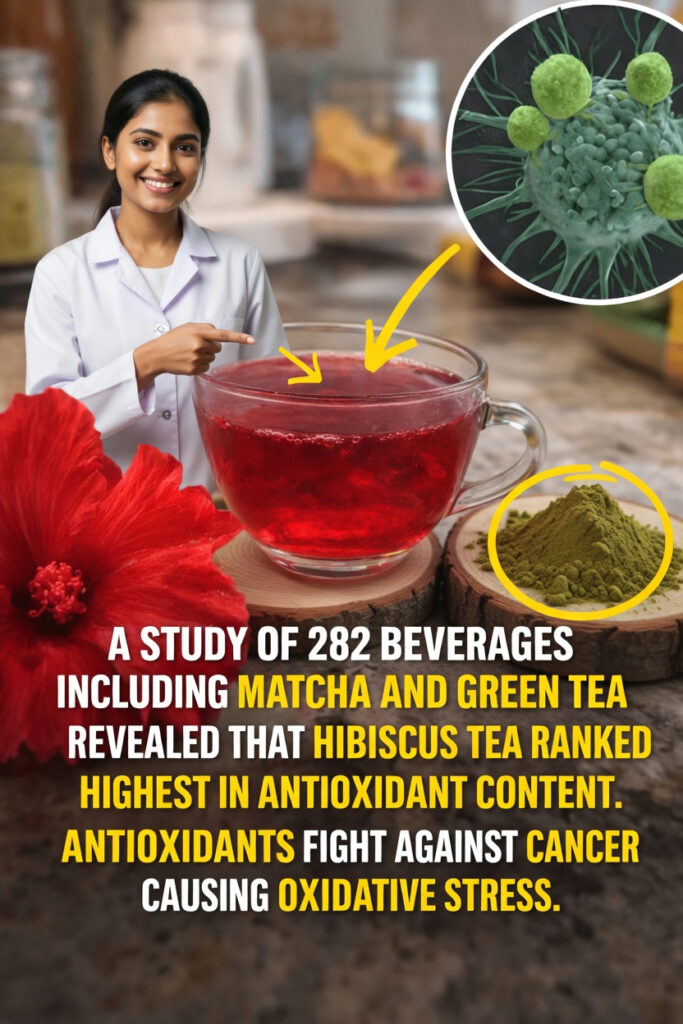
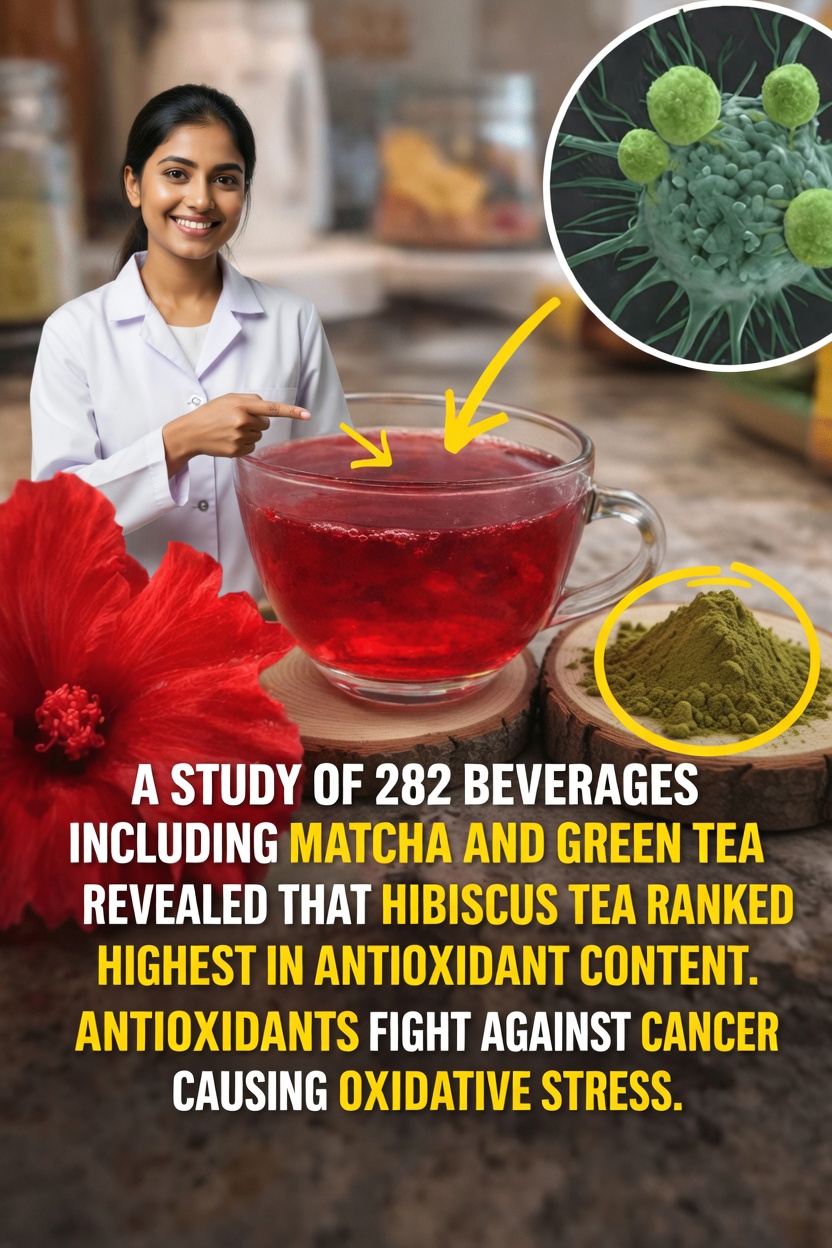
A large analysis measured antioxidant levels in 282 beverages, ranging from teas to juices and other common drinks. In that comparison, hibiscus tea, made from the calyces of Hibiscus sabdariffa, ranked among the top performers for antioxidant capacity. It even scored higher than well-known options like green tea and matcha.
These results came from laboratory testing methods designed to evaluate antioxidant activity and the ability to resist oxidative processes. Platforms such as NutritionFacts.org have also pointed to hibiscus tea as a standout beverage in similar rankings.
Its deep red color is more than just visually appealing. That bold shade signals the presence of beneficial plant compounds that contribute to hibiscus tea’s strong antioxidant profile.
The Natural Compounds Behind Hibiscus Tea’s Benefits
What gives hibiscus tea its reputation is its rich concentration of plant-based nutrients and protective compounds. Among the most notable are polyphenols, anthocyanins, and vitamin C.
- Polyphenols: Naturally occurring compounds in plants associated with broad wellness support.
- Anthocyanins: Pigments responsible for the tea’s vivid red color and an important part of its antioxidant makeup.
- Vitamin C: A well-known nutrient that adds another layer of appeal to this herbal infusion.
Research on herbal beverages suggests that these compounds can be absorbed relatively quickly, with measurable effects appearing in the bloodstream soon after consumption.
Hibiscus Tea vs. Green Tea, Matcha, and Other Popular Drinks
To better understand hibiscus tea’s position, it helps to compare it with other well-known antioxidant beverages.
- Hibiscus tea: Frequently ranks at or near the top for total antioxidant capacity.
- Green tea: Highly respected for its catechin content, though some broad antioxidant measurements place it below hibiscus.
- Matcha: A concentrated form of green tea with strong nutritional value, yet hibiscus showed higher scores in the 282-drink comparison.
- Other strong contenders: Pomegranate juice, berry-based beverages, and certain herbal infusions also perform well, although results can vary depending on how they are prepared.
This does not mean hibiscus tea is automatically the best choice for everyone. Dietary variety still matters. However, it does offer an impressive, caffeine-free alternative for people seeking a powerful antioxidant drink.
Potential Wellness Benefits Associated With Hibiscus Tea
No single beverage can completely transform health on its own, but hibiscus tea has been linked to several areas of interest in wellness research.
- Heart health support: Some studies suggest it may help support healthy blood pressure levels.
- Inflammatory balance: Its plant compounds may contribute to a more balanced inflammatory response.
- Better hydration with added value: Compared with plain water, hibiscus tea provides hydration plus beneficial plant nutrients.
These findings come from laboratory studies and observational research, and they are best viewed within the context of an overall healthy lifestyle.
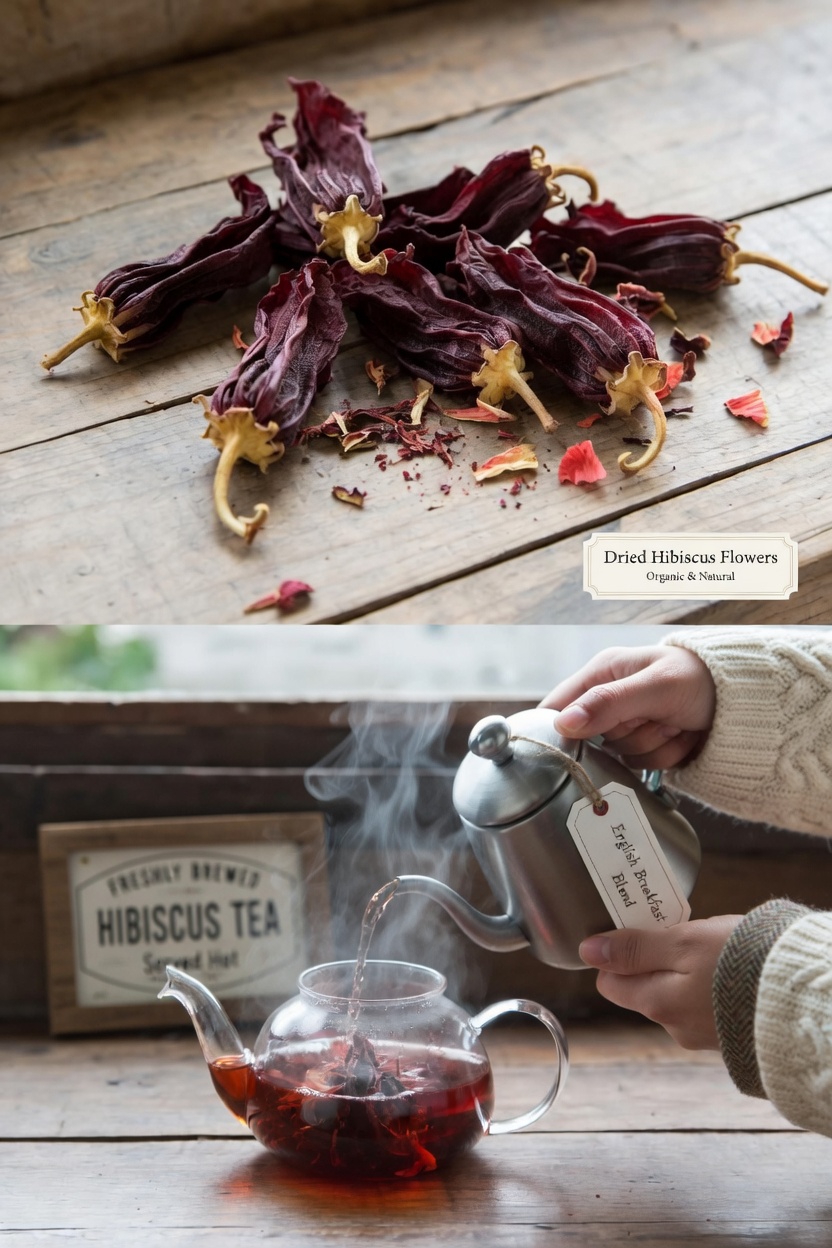
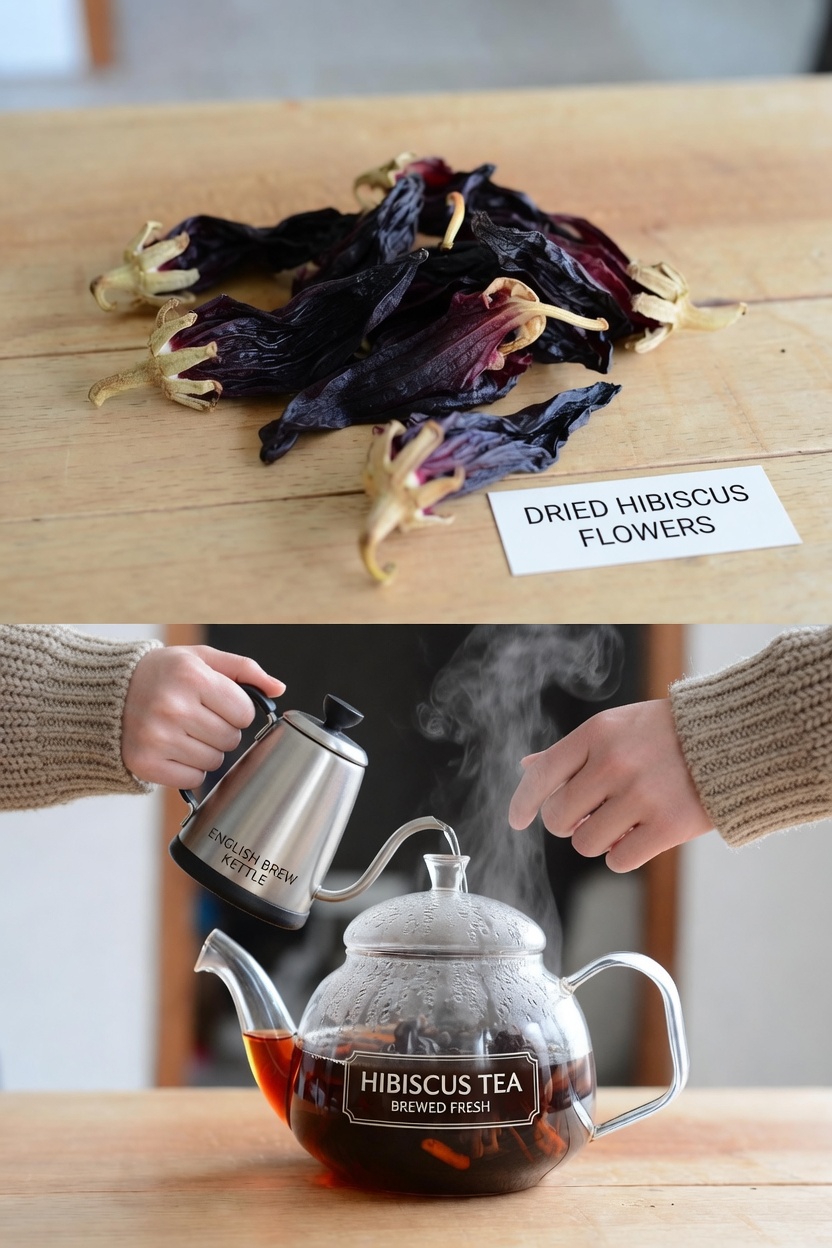
How to Make Hibiscus Tea at Home
Preparing hibiscus tea is simple and does not require much time. With a few ingredients and basic steps, you can enjoy it hot or cold.
-
Choose good-quality hibiscus
- Buy dried hibiscus calyces from a trusted source.
- They may also be sold as hibiscus flowers or roselle.
-
Measure the tea
- Use 1 to 2 teaspoons of dried hibiscus for every 8 ounces of water.
-
Steep properly
- Bring the water to a boil.
- Pour it over the dried hibiscus.
- Let it steep for 5 to 10 minutes, depending on how strong and tart you want it.
-
Adjust the flavor
- Drink it warm, or chill it for iced tea.
- Add lemon, honey, or fresh mint if desired.
-
Make it a regular habit
- Try 1 to 2 cups a day, such as in the morning or later in the afternoon.
A useful tip for a smoother flavor is to make a cold brew version. Simply steep the hibiscus in water overnight in the refrigerator. This method often produces a less tart and more mellow drink.
Easy Ways to Make Hibiscus Tea More Exciting
If you want to keep the habit enjoyable, there are plenty of ways to change up the flavor.
- Mix it with green tea for a combined antioxidant boost.
- Add ginger for a spicier, warming taste.
- Blend it with berries for a fruity alcohol-free drink.
- Pour it over ice and top with sparkling water for a refreshing spritzer.
These simple variations can help make hibiscus tea a drink you look forward to every day.
What Research Suggests About Drinking Hibiscus Tea Regularly
Studies on hibiscus drinks often use standardized brewing methods and continue to show a consistent antioxidant profile. Although more research is always helpful, the current evidence supports hibiscus tea as a flavorful and practical way to increase your intake of beneficial plant compounds.
It is also important to remember that antioxidants are most effective when they are part of a balanced eating pattern rich in fruits, vegetables, legumes, and whole foods.
Final Thoughts
Hibiscus tea is an easy, enjoyable drink with impressive antioxidant potential. Its bright color, tart flavor, and naturally occurring compounds make it a strong choice for anyone looking to upgrade their daily beverage routine. Whether you want a caffeine-free alternative to green tea or simply want to explore a new wellness habit, hibiscus tea deserves serious consideration.
Start with one cup and see how naturally it fits into your day.
Frequently Asked Questions
Is hibiscus tea caffeinated?
No. Hibiscus tea is naturally free of caffeine, so it can be enjoyed at any time of day.
How much hibiscus tea can I drink daily?
Many people drink 1 to 3 cups per day. It is best to begin with one cup and adjust according to your taste and personal tolerance.
Can I drink hibiscus tea while taking medication?
Speak with your healthcare provider first, especially if you take blood pressure medication or other prescriptions. In some cases, hibiscus may interact with certain medicines.