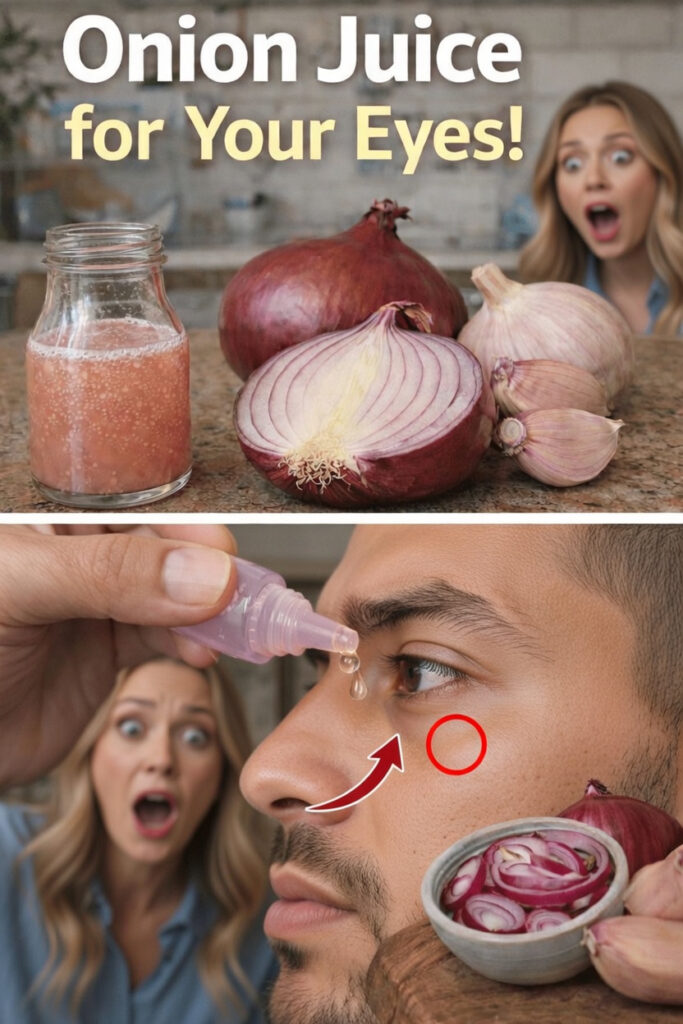
Onions and Eye Health: A Safe, Practical Look at the Facts
Many people experience eye strain after spending hours in front of digital screens. Tired eyes, dryness, irritation, and occasional blurry focus can make work and daily activities more difficult than they need to be. As a result, many people start looking for simple, natural ways to support clearer, more comfortable vision.
One kitchen staple that often comes up in traditional wellness discussions is the onion. It may seem surprising, but this everyday vegetable has long been associated with eye support. The important point, however, is not how social media trends often present it. The safest and most realistic way to explore onions for eye wellness is very different from putting onion juice near the eyes.
Why Onions Are Often Connected to Eye Wellness
Onions contain a range of natural plant compounds that have attracted attention in both traditional health practices and modern nutrition research. Among the most discussed are quercetin, a powerful antioxidant, and sulfur-containing compounds that support general well-being.
These substances may help the body deal with oxidative stress, which is often linked to aging and changes in sensitive tissues, including those found in the eyes. Because the eyes are exposed to light, environmental stress, and constant daily use, nutrients that support antioxidant defenses are often considered valuable for long-term eye health.

Some preclinical and animal-based studies have examined onion juice in relation to corneal condition, tear production, and even eye pressure in certain controlled models. While these findings are interesting, they do not prove that the same effects occur in people. Experts continue to stress that animal or laboratory research should not be treated as direct guidance for everyday human use.
That is why the more useful conversation is not about applying onion juice to the eyes, but about how onions can be included in healthy habits that support vision over time.
What Research Says About Onions and Vision Support
Scientific interest in onions largely centers on their bioactive compounds. Quercetin is a flavonoid widely studied for its antioxidant activity, especially its role in reducing cellular damage caused by free radicals. Onion sulfur compounds are also important because they may support the body’s production of glutathione, a key internal antioxidant.
A small number of early-stage studies have looked at onion-based preparations in laboratory settings and animal models, with some suggesting possible benefits related to lens health or age-related corneal changes. However, these findings remain preliminary. Eye care specialists do not consider them evidence that raw onion juice should be used directly in human eyes.
In fact, the opposite warning is much more consistent. The same irritating compounds that make people tear up while cutting onions can cause intense discomfort if onion juice touches the eyes. Health professionals strongly advise against using raw onion juice, homemade drops, or onion extracts as an eye treatment because they may cause:
- Burning
- Redness
- Stinging
- Irritation
- Potential complications in sensitive eyes
The Safe Way to Use Onions for Everyday Wellness
The best way to benefit from onions is through your diet, not through direct eye application. Eating onions regularly as part of balanced meals allows the body to absorb their nutrients naturally, supporting overall antioxidant intake in a much safer way.
Practical ways to add onions to your meals include:
- Slicing fresh onions into salads
- Adding onions to soups, stir-fries, and cooked dishes
- Rotating between red and white onions for a wider range of plant compounds
- Lightly cooking onions if raw onions are harder on your digestion
- Pairing onions with other eye-friendly foods such as carrots, leafy greens, citrus fruits, and tomatoes

This approach matches general nutrition advice that emphasizes a colorful, plant-rich eating pattern for long-term health, including support for the eyes.
Simple Onion-Based Recipes You Can Make at Home
If you want to use onions in a thoughtful and safe way, stick to edible preparations only. Avoid any homemade remedy intended for direct use around the eyes.
Fresh Onion Salad
A simple recipe idea:
- Choose a fresh, firm onion. Red onions are often preferred for their higher antioxidant content.
- Peel and thinly slice one medium onion.
- Let the slices rest for 10 to 15 minutes so beneficial compounds can develop.
- Add the onion to a salad with cucumber, tomato, and a drizzle of olive oil.
- Serve it as a side dish a few times each week.
Warm Onion Broth or Onion Tea
Another easy option is a mild onion broth:
- Slice an onion and simmer it in water.
- Add ginger for extra flavor.
- Let it cool slightly.
- Stir in a little honey if desired.
- Drink it warm as a comforting beverage.
This method offers the taste and nutritional compounds of onions without exposing delicate eye tissues to irritation.
Important: Never use homemade onion juice, onion paste, or concentrated onion extracts as eye drops or eye washes.
Daily Habits That Help Support Clearer, More Comfortable Vision
Onions may contribute to an overall healthy diet, but they are only one small part of eye care. Better visual comfort usually comes from combining good nutrition with daily lifestyle habits that protect the eyes.
Helpful habits include:
- Following the 20-20-20 rule: every 20 minutes, look at something 20 feet away for 20 seconds
- Using proper lighting when reading or working up close
- Drinking enough water to support tear production
- Staying physically active to support healthy circulation
- Scheduling regular eye exams with a qualified professional
- Limiting unnecessary screen strain when possible

These simple routines can often improve how your eyes feel day to day, especially if dryness or fatigue is linked to screen use.
Common Myths About Onion Remedies for Eyes
There are many viral claims online suggesting that onion juice in the eyes can dramatically improve vision or fix eye problems. These claims are not supported by strong human evidence.
While onions do offer nutritional benefits when eaten, applying them directly to the eyes is a different matter entirely. It can cause discomfort and may do more harm than good. The tearing and stinging caused by onions should not be mistaken for a healing effect. That reaction happens because onion compounds interact with moisture in the eyes and trigger the body’s natural protective response.
Some traditional systems have mentioned onions in relation to eye wellness, but modern eye care guidance remains cautious. Nutrition is one thing; direct application is another.
Nutritional Value of Onions and Their Possible Eye-Related Benefits
Onions offer several useful nutrients and compounds, including:
- Antioxidants, such as quercetin, which may help reduce oxidative stress
- Sulfur compounds that may support glutathione production
- Small amounts of vitamins and minerals that contribute to general health
- Anti-inflammatory plant compounds studied in dietary research
When onions are part of a varied and nutritious eating plan, they may indirectly support overall wellness, including eye health. Still, they should never be viewed as a replacement for proper medical care, prescription treatments, or professional diagnosis.
FAQ
Can eating onions improve eyesight?
Eating onions may support overall health because they contain antioxidants and beneficial plant compounds. That may indirectly benefit the eyes as part of a healthy diet. However, onions alone are not proven to dramatically sharpen vision.
Is onion juice safe for the eyes?
No. Eye care professionals advise against putting onion juice or onion extracts into the eyes. Doing so can cause burning, redness, irritation, and possible complications. If you have eye symptoms, consult an eye doctor.
How soon can I notice benefits after adding onions to my diet?
The timeline varies from person to person. Consistent healthy eating, along with hydration, reduced eye strain, and regular eye care, may support comfort and wellness over time. Some people may notice changes over weeks or months, while others may not notice a clear difference.
Final Thoughts
Using natural foods like onions can be a smart part of a healthy daily routine. The key is to focus on eating them, not applying them directly to the eyes. When included in balanced meals, onions can provide useful compounds that support general wellness in a safe and sensible way.
For the best results, combine a nutrient-rich diet with screen breaks, proper hydration, and routine professional eye care. This balanced approach is far more reliable than unproven home remedies.
Disclaimer: This content is for educational purposes only and does not replace professional medical advice. Always speak with a qualified healthcare provider or ophthalmologist before trying any new remedy, especially one involving the eyes. Individual results may vary.