Can a Simple Tomato Brighten Skin and Minimize the Look of Pores?
Can an everyday tomato help your skin look brighter, soften the appearance of dark spots, and make pores seem smaller—naturally? Before trying any viral “kitchen skincare” trend, it’s worth understanding what actually helps, what doesn’t, and what may irritate your face.
Many people struggle with enlarged-looking pores, uneven tone, dark patches, and dullness. Even after spending on pricey skincare, the complexion can still appear tired or blotchy—something that often feels more noticeable in photos or harsh lighting. That’s why DIY remedies attract so much attention: the idea that a simple ingredient from the kitchen could improve skin texture and radiance sounds appealing.
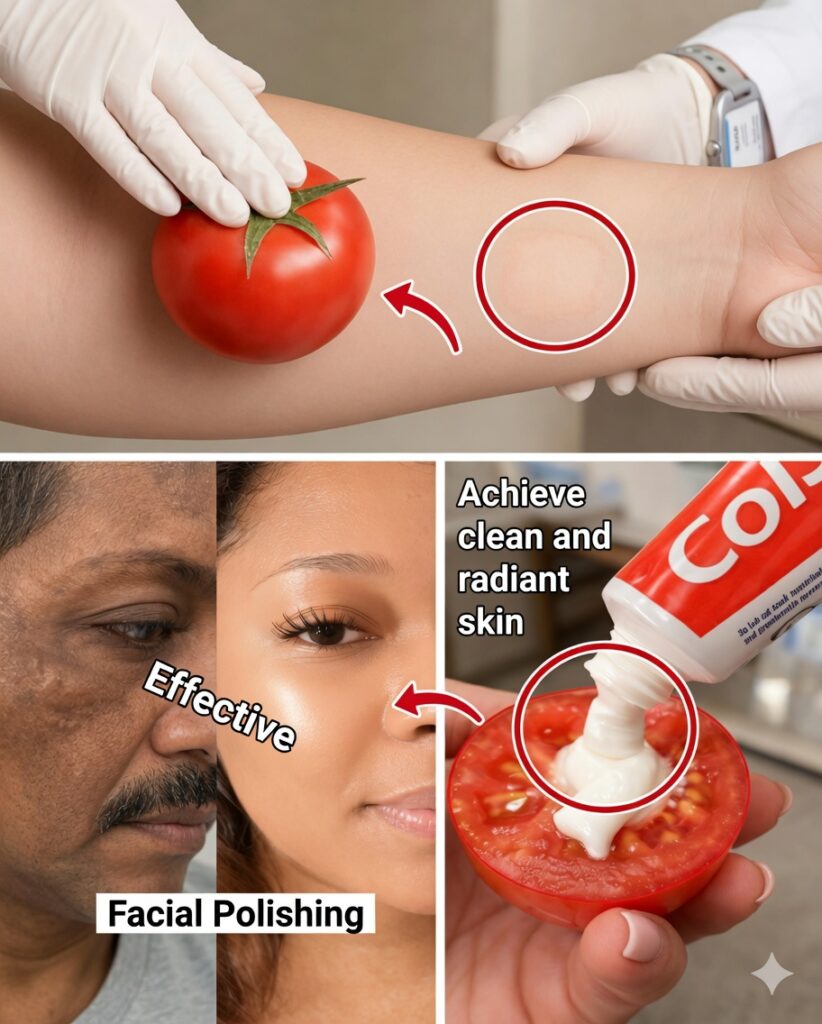
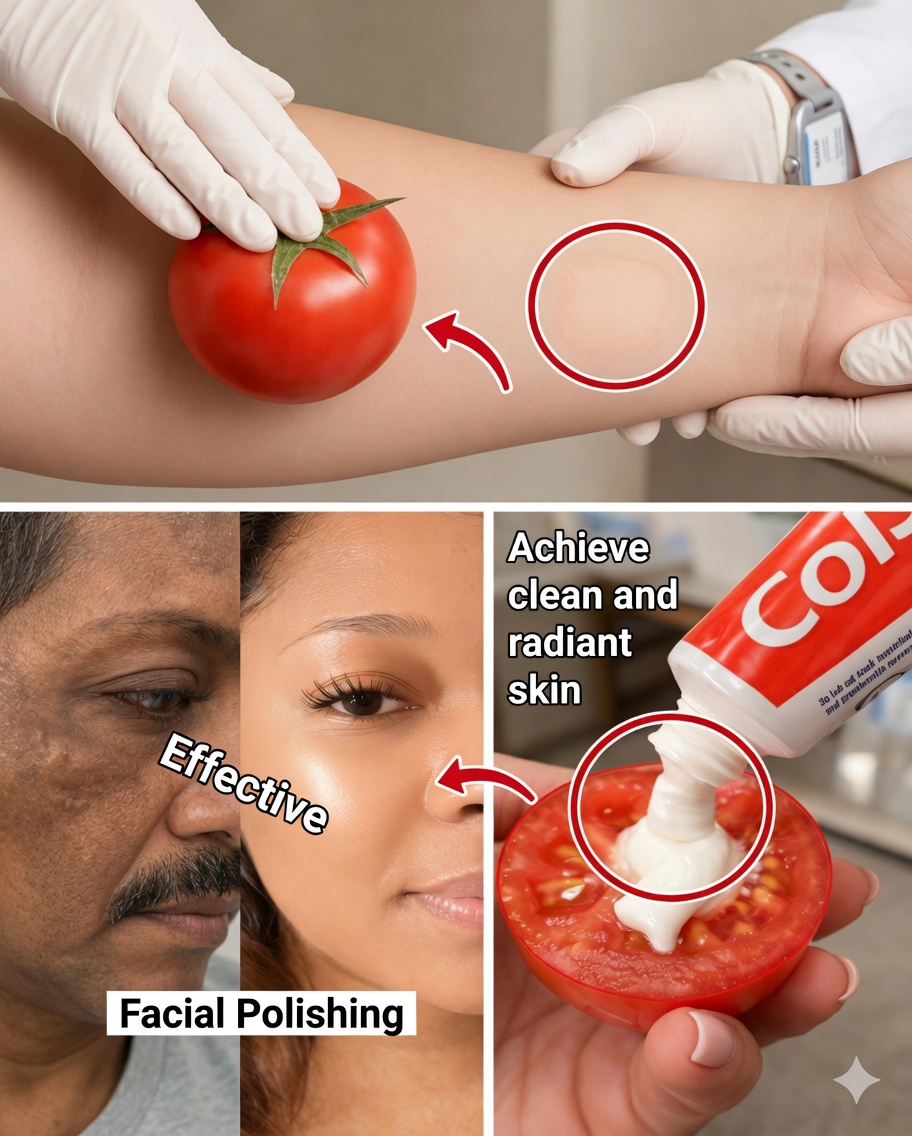
One viral trend in particular has spread quickly online: a tomato + toothpaste face mask. Supporters claim it can tighten pores, brighten skin, fade spots, and even reduce facial hair painlessly. But does the combination hold up scientifically—and is it safe? Below is what we know about tomatoes for skincare, and why mixing them with toothpaste is usually a bad idea.
Why Tomato Is Often Considered Skin-Friendly
Tomatoes aren’t just nutritious food—they also contain naturally occurring compounds that may support healthier-looking skin when used carefully.
Lycopene: an antioxidant linked to skin defense
The red color of tomatoes comes largely from lycopene, a potent antioxidant. Antioxidants help reduce oxidative stress, which is associated with premature skin aging and environmental damage. Lycopene is also commonly discussed in relation to sun-related skin stress, and it may contribute to a more even-looking complexion over time.
Vitamin C: brightness and more even tone
Tomatoes also contain vitamin C, a well-known ingredient in skincare. Vitamin C is associated with a more radiant appearance and may help reduce the look of hyperpigmentation by supporting more balanced pigment production over time.
Natural acids: gentle exfoliation support
Tomatoes include mild natural acids such as citric acid and malic acid. These can provide light exfoliation, helping lift away dead skin cells and reduce the look of congestion. The result for some people is skin that appears smoother, fresher, and with less noticeable pores—at least temporarily.
Keep in mind: topical tomato use is popular in DIY beauty, but outcomes vary by skin type, frequency, and sensitivity. It can support appearance improvements, but it isn’t a miracle fix.
The Reality of Putting Toothpaste on Your Face
Toothpaste frequently shows up in DIY beauty tips because some formulas contain ingredients that dry or scrub surfaces—such as baking soda, menthol, alcohol, or mild abrasives. That can lead to the assumption it “deep cleans” skin or fades marks quickly.
However, dermatology professionals consistently warn that toothpaste is designed for teeth, not facial skin. Tooth enamel is far tougher than the skin barrier on your face, which is more prone to irritation.
Common issues include:
- Irritation and excessive dryness, often linked to menthol, alcohol, or harsh cleansing agents
- Redness and peeling, especially for sensitive or compromised skin
- Barrier disruption, which may trigger more oil imbalance—sometimes making pores look worse over time
Also important: there is no solid scientific evidence that toothpaste can reduce, weaken, or remove facial hair.
Why the Tomato + Toothpaste Mix Can Be Risky
On paper, the trend sounds logical: tomato for glow, toothpaste for “deep cleaning.” In practice, the mix can be overly aggressive.
Toothpaste ingredients may cause stinging, inflammation, or irritation that overpowers any gentle benefits tomato might offer. Instead of a brighter complexion, you could end up with burning, redness, sensitivity, or a damaged skin barrier—especially if used repeatedly.
For these reasons, many experts recommend skipping this combination and choosing safer, skin-appropriate options.
A Safer Way to Use Tomato on Skin
If you enjoy natural skincare ideas, tomato can be used on its own or paired with gentle, skin-friendly ingredients.
Simple tomato mask (beginner-friendly)
- Choose a ripe tomato.
- Mash half into a pulp or extract the juice.
- Apply a thin layer to clean skin, avoiding the eye area.
- Leave on for 10–15 minutes.
- Rinse with lukewarm water and pat dry gently.
- Finish with moisturizer and daily sunscreen.
You can repeat this 2–3 times per week, depending on how your skin reacts.
Gentle add-ins (optional)
To reduce the chance of irritation and make the mask more soothing, some people mix tomato with:
- Honey (comforting and hydrating)
- Plain yogurt (softening and nourishing)
- Oats (very mild physical exfoliation and calming feel)
With consistent, cautious use, some users report:
- brighter-looking skin
- smoother texture
- a mild reduction in the look of dark spots
- temporarily less visible pores
Natural Habits That Help Pores and Dullness Look Better
You can’t permanently shrink pores, but you can improve how noticeable they appear with steady, skin-supportive habits:
- Cleanse gently twice daily
- Exfoliate mildly a few times per week (avoid overdoing it)
- Use a moisturizer suited to your skin type
- Apply broad-spectrum sunscreen every day
- Eat antioxidant-rich foods and maintain good hydration
Consistency usually delivers better results than harsh, “instant” hacks.
Conclusion
The tomato-and-toothpaste mask became popular because it promises fast results—brighter skin, fewer dark spots, and minimized pores. While tomatoes do contain beneficial antioxidants, vitamin C, and mild acids, toothpaste is not formulated for facial skin and may cause irritation without proven benefits in this context.
A safer approach is to use tomato moderately and simply, or seek professional advice for targeted concerns like hyperpigmentation or texture. Gentle, consistent skincare tends to be both safer and more effective long term.
Disclaimer
This article is for informational purposes only and does not replace medical advice. Consult a dermatologist before trying new home remedies—especially if you have sensitive skin or any existing skin condition.