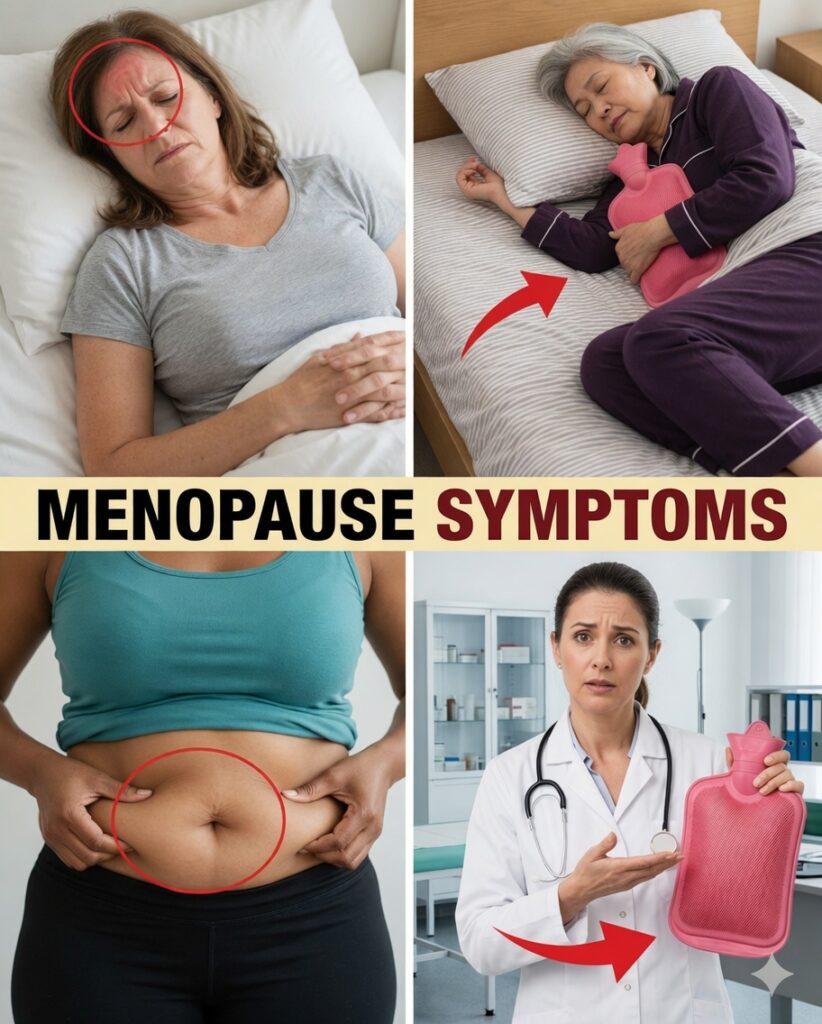
If You’re Over 40 and Experiencing Sudden Heat, Fatigue, or Forgetfulness, It May Not Be “Just Stress”
If you’re in your 40s or early 50s and your body suddenly feels unfamiliar, you’re not alone. One moment you feel fine—then a wave of intense heat appears out of nowhere, your periods become unpredictable, and your memory feels unreliable (like forgetting where you left your keys or why you walked into a room). These shifts can be unsettling and exhausting, and many women dismiss them as stress or “normal aging.”
The encouraging part: once you recognize the signs early, this transition often becomes easier to navigate. Even better, many women report that a simple daily routine helps reduce several symptoms—more on that later.
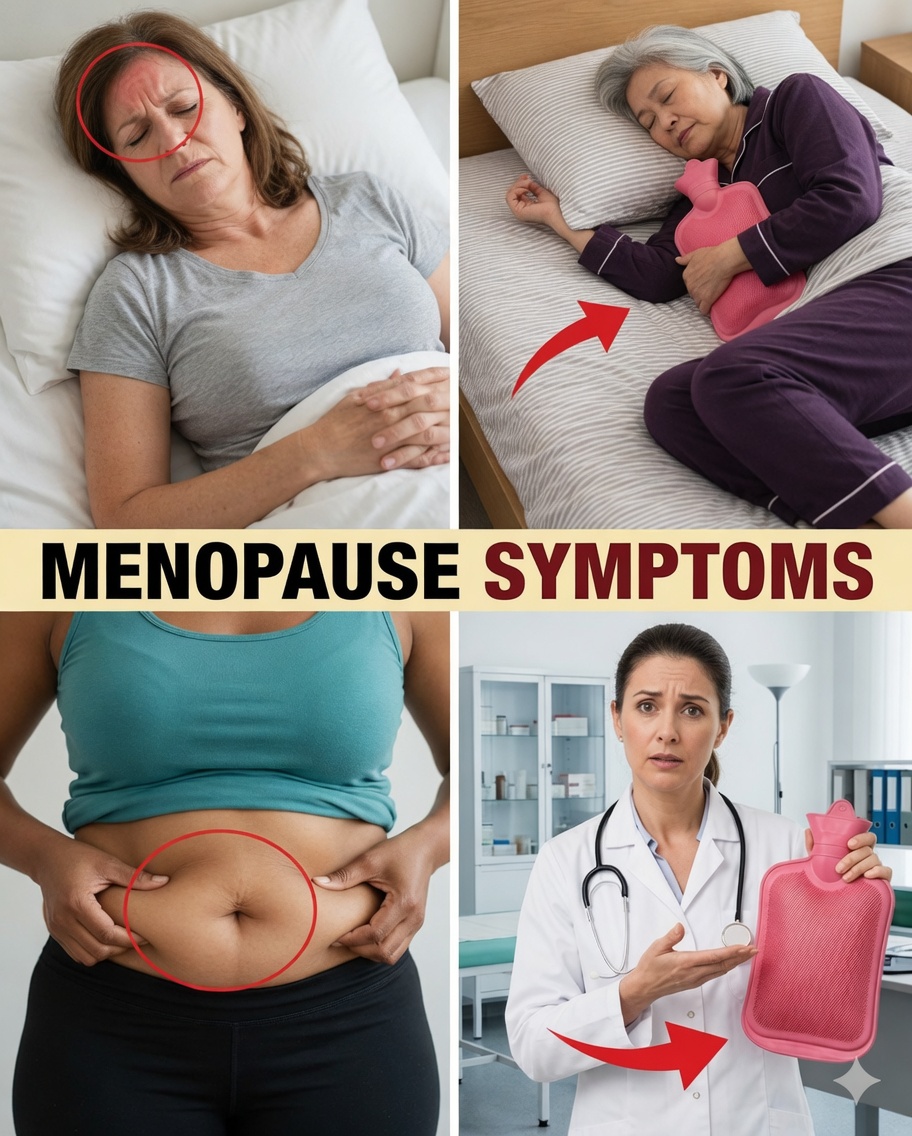
What Menopause Really Is
Menopause is the permanent end of menstrual cycles. Clinically, it’s confirmed after 12 consecutive months without a period. The average age is around 51, but the lead-up phase—known as perimenopause—can begin in the early-to-mid 40s and last for years.
During perimenopause, estrogen and progesterone levels fluctuate and gradually decline. These hormonal changes can affect the body and mind in many ways. Some women experience mild symptoms, while others notice more significant disruptions.
9 Common Signs Menopause May Be Starting
1. Hot flashes and night sweats
This is the best-known symptom. A sudden surge of heat may rise through the chest, neck, and face, often followed by sweating—and sometimes chills afterward.
When it happens at night, it can break your sleep and leave you drained the next day.
2. Irregular periods
A once-predictable cycle may become inconsistent. Periods may arrive closer together or farther apart, become heavier or lighter, last longer or end sooner—or disappear for months and return.
This typically happens because ovulation becomes less regular as hormones shift.
3. Mood changes and irritability
You might feel calm one day and unusually sensitive, anxious, or irritable the next. Estrogen influences brain chemicals linked to mood, which helps explain these emotional ups and downs.
4. “Brain fog” and memory slips
Trouble focusing, forgetting names, or feeling mentally “slow” is common. Many women describe walking into a room and forgetting what they were there to do.
5. Persistent fatigue
Even after a full night in bed, you may feel worn out. Hormonal changes, disrupted sleep from night sweats, and emotional stress can all contribute to ongoing tiredness.
6. Unexpected weight gain (especially around the abdomen)
Some women notice weight gain—often around the midsection—despite no major change in diet or exercise.
A slower metabolism during this life stage can be one contributing factor.
7. Vaginal dryness
With lower estrogen, vaginal tissues may become thinner and less lubricated, leading to dryness, irritation, or discomfort.
8. Sleep problems
You may struggle to fall asleep, wake up repeatedly, or feel like your sleep is lighter and less restorative—common complaints during perimenopause and menopause.
9. Joint aches or stiffness
Discomfort in the knees, hands, hips, or other joints can appear. Declining estrogen may influence inflammation and pain sensitivity in the body.
Perimenopause vs. Menopause: What’s the Difference?
| Symptom | Perimenopause | Menopause |
|---|---|---|
| Hot flashes | Common | May continue |
| Irregular periods | Very common | Periods have stopped |
| Mood changes | Frequent | Can persist |
| Brain fog | Possible | Sometimes |
| Fatigue | Common | Common |
| Weight gain | May occur | May continue |
| Vaginal dryness | Common | Common |
| Sleep issues | Frequent | Frequent |
| Joint pain | Possible | Possible |
5 Simple, Natural Ways to Manage Menopause Symptoms
1. Track your symptoms
Write down changes in your cycle, hot flashes, sleep quality, energy levels, and mood for a few weeks. This helps you spot patterns and understand triggers.
2. Protect your sleep
Keep your bedroom cool, choose lightweight sleepwear, and avoid screens right before bedtime to support deeper rest.
3. Move your body daily
Gentle, consistent activity—such as walking, yoga, or low-impact workouts for about 30 minutes a day—may improve energy, mood, and resilience.
4. Eat a balanced, whole-food diet
Prioritize fruits, vegetables, lean proteins, healthy fats, and minimally processed foods. Many women also benefit from reducing alcohol and caffeine, especially if sleep or hot flashes are an issue.
5. Practice slow breathing
Deep, steady breathing helps calm the nervous system and may lessen the intensity of hot flashes for some women.
A daily habit many women find especially helpful is combining symptom journaling with a few minutes of deep breathing every day. This boosts body awareness and may reduce how disruptive hormonal shifts feel over time.
Conclusion: A New Chapter—Not an Ending
Menopause is a natural stage of life, not an illness. While symptoms can feel frustrating at first, many women regain balance through lifestyle adjustments, education, and support. With the right tools and understanding, it’s absolutely possible to move through this transition with more calm, confidence, and quality of life.
Frequently Asked Questions
How can I tell if it’s menopause or something else?
If symptoms appear alongside irregular periods and occur between about 45 and 55, perimenopause is a possibility. Still, it’s important to speak with a healthcare professional for an accurate evaluation.
Do lifestyle changes really make a difference?
For many women, healthy habits significantly reduce symptoms. If symptoms are severe, you can discuss additional options with a qualified clinician.
When should I see a doctor?
Seek medical guidance if symptoms strongly affect daily life, if you experience very heavy bleeding, or if you notice major emotional or mental health changes.
Disclaimer: This article is for informational purposes only and does not replace professional medical advice. Every body is different, and a healthcare professional should be consulted for proper diagnosis and treatment.