
Waking Up to Urinate After 50? This Simple Red Food May Support Prostate Comfort
If you’re over 50 and waking up several times a night to urinate has become “normal,” you’re not alone. A common kitchen staple—the humble tomato—may offer more prostate support than many men realize as they age.
Millions of men quietly deal with the daily frustration of an enlarged prostate, also known as benign prostatic hyperplasia (BPH). Nighttime bathroom trips disrupt sleep, a weak urine stream makes everyday life uncomfortable, and the lingering feeling that the bladder never fully empties can leave you tired and worn down.
Over time, these symptoms can affect energy, mood, and overall quality of life. The encouraging news: growing evidence suggests that diet and antioxidant-rich foods may play a meaningful role in supporting prostate health naturally.
So what if a simple food—prepared the right way—could help? Research points to tomatoes as a valuable source of lycopene, a powerful antioxidant linked to prostate support. Below, you’ll learn why tomatoes matter, how to use them correctly, and which other fruits may complement the benefits.
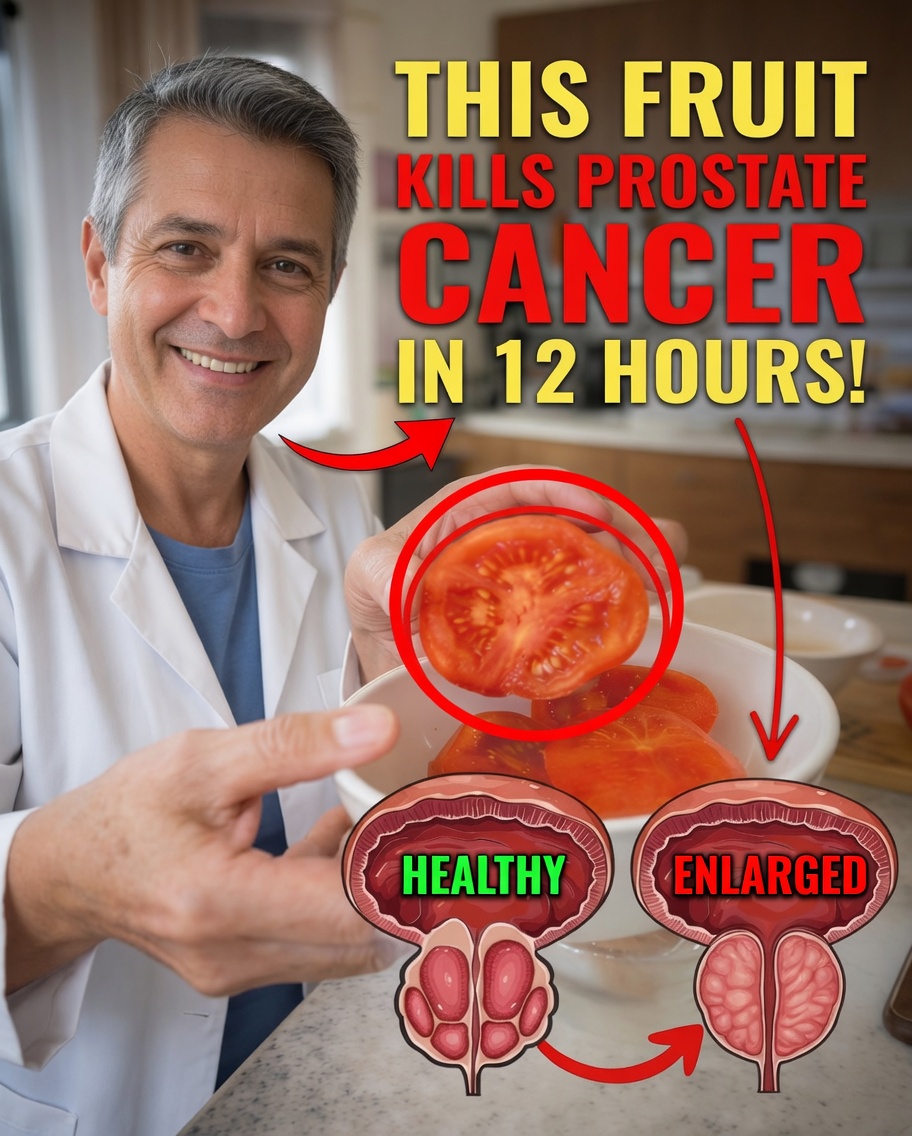
What Causes the Prostate to Enlarge?
BPH is a non-cancerous enlargement of the prostate that becomes more common with age. Medical estimates suggest that about half of men in their 50s show some degree of prostate enlargement, and the number may rise to as high as 90% by age 85.
Because the prostate surrounds the urethra (the tube that carries urine out of the body), an enlarged prostate can press on this channel and trigger urinary symptoms such as:
- A sudden, urgent need to urinate
- A weak or slow urine stream
- Dribbling after urinating
- Frequent nighttime urination (nocturia)
These issues do more than annoy—they can damage sleep quality, reduce daytime stamina, and diminish well-being.
Many researchers believe chronic inflammation and oxidative stress contribute to gradual cellular changes in the prostate over time. That’s one reason diets rich in antioxidants are often discussed as part of long-term prostate support.
Tomatoes and Lycopene: Why This Pair Stands Out
The key compound in tomatoes is lycopene, a carotenoid responsible for their red color. Interestingly, lycopene tends to accumulate in prostate tissue more than in many other parts of the body—one reason it has drawn strong scientific interest.
Several studies have examined lycopene’s potential role in prostate health. In one clinical study, men who took 15 mg of lycopene daily for six months experienced stabilization of prostate size and improvements in urinary symptoms.
Other research has also reported:
- Improvements in urinary comfort
- Lower PSA levels in some groups (depending on population and study design)
The crucial detail: how you eat tomatoes affects absorption
Raw tomatoes contain lycopene, but cooking tomatoes—especially when paired with a small amount of healthy fat (like olive oil)—can boost lycopene absorption by 3 to 5 times. That’s why tomato sauce, tomato paste, and cooked tomato dishes often deliver more usable lycopene than raw tomatoes alone.
Tomatoes are not a “miracle cure,” but consistent intake may help reduce oxidative stress and support prostate function over time.
Why Cooked Tomatoes May Work Better for Daily Prostate Support
Cooked tomatoes aren’t just more bioavailable—they’re also easy to build into routine meals.
Simple ways to eat more cooked tomatoes include:
- Homemade tomato sauce with pasta or vegetables
- Oven-roasted tomatoes with olive oil
- Tomato-based soups
- Sautéed tomatoes added to warm dishes
Population observations often link tomato-rich eating patterns with better prostate health indicators. And many men report that after a few months of regular intake they notice:
- Fewer nighttime bathroom trips
- A more comfortable urine stream
- A general improvement in day-to-day well-being
Other Antioxidant-Rich Fruits That May Help
While tomatoes are the main focus, certain fruits provide additional antioxidants and supportive compounds that may complement a prostate-friendly diet.
Watermelon
High in water for hydration and a source of citrulline, which may support circulation.
Papaya
Provides vitamin C, fiber for digestion, and also contains some lycopene—supporting overall balance.
Blueberries
Rich in anthocyanins, antioxidants that help protect cells from oxidative damage.
Pomegranate
Known for strong antioxidant activity and potential support for cardiovascular and prostate health.
Pairing these fruits with tomatoes can create a broader, more nutrient-diverse approach, rather than relying on a single food.
How to Start Supporting Prostate Health With Food
Small, consistent dietary changes can add up over time. Here’s a simple plan to begin:
-
Add cooked tomatoes regularly
Aim for 2–3 servings per week, such as tomato sauce or roasted tomatoes. -
Include healthy fats for better lycopene absorption
Use olive oil or pair tomatoes with avocado. -
Eat one antioxidant-rich fruit daily
Choose watermelon, papaya, or a handful of blueberries. -
Build a routine you can stick with
In the first few weeks, prioritize tomatoes and watermelon, then rotate in other fruits. -
Track changes gradually
After 4–8 weeks, look for subtle improvements in sleep disruption or urinary comfort.
Consistency matters most—benefits are more likely to appear with regular intake over months, not days.
Conclusion
Adding cooked tomatoes and antioxidant-rich fruits like watermelon, papaya, blueberries, and pomegranate is a practical, affordable way to support prostate health.
Based on research into lycopene and antioxidants, this nutrition approach may help reduce urinary discomfort and promote long-term well-being. Start with one simple step today: include a tomato-based dish at dinner. Small changes now can make a meaningful difference later.
Frequently Asked Questions
Can tomatoes really help with an enlarged prostate?
Studies suggest the lycopene in tomatoes may help lower oxidative stress and support prostate health—especially when consumed consistently and as part of an overall healthy diet.
How much lycopene should I aim for each day?
Many studies use around 15 mg per day, which is often achievable with 1–2 servings of cooked tomato products (such as sauce or paste, depending on concentration and serving size).
Are there side effects?
For most people, tomatoes are safe. However, because tomatoes are acidic, they may worsen discomfort for individuals with acid reflux or sensitive digestion.
Disclaimer: This content is for informational purposes only and does not replace medical advice. If urinary symptoms persist or you have concerns about prostate health, consult a qualified healthcare professional.