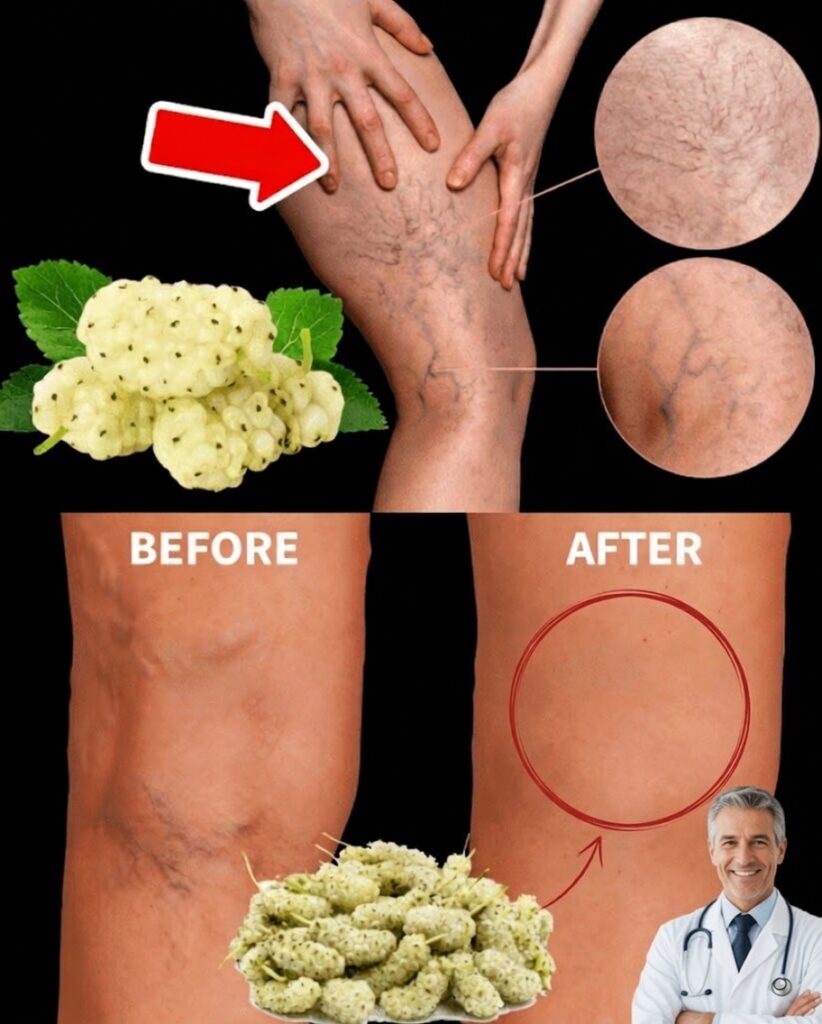
Stop Hiding Your Legs: A Natural Routine That May Support Varicose Veins and Circulation
Varicose veins are far more common than most people think. As the years go by—especially after 40—many begin to notice leg heaviness, swelling, soreness, or raised, rope-like veins visible beneath the skin. Beyond physical discomfort, these changes can also affect confidence. If you’ve ever avoided shorts or skirts because of how your legs look, you’re not alone.
The encouraging news is that consistent lifestyle changes and gentle natural approaches may help support healthier circulation, reduce day-to-day discomfort, and improve how your legs feel over time. Below are 15 natural strategies that focus on circulation, nutrition, and everyday habits to help you work toward stronger vein support.
Why Varicose Veins Happen (and Why They Can Feel So Uncomfortable)
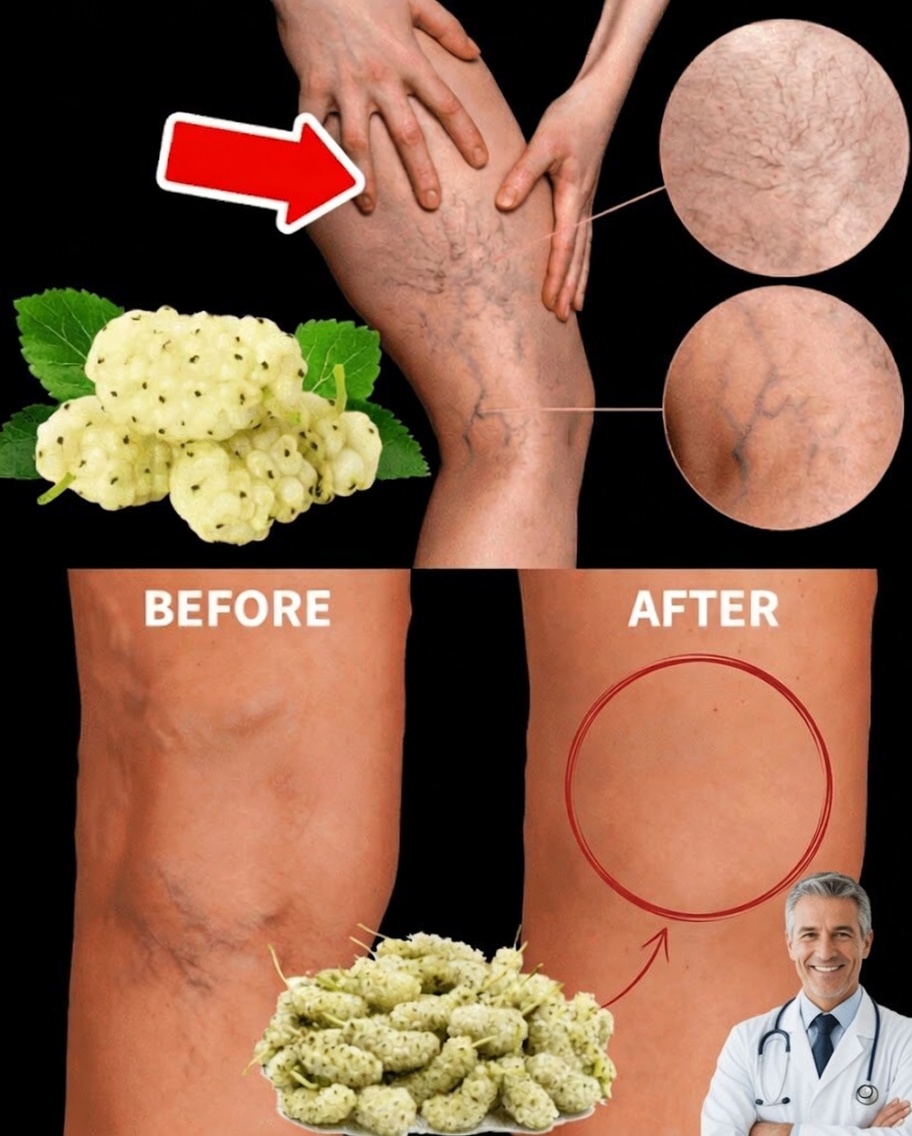
Varicose veins often appear when tiny one-way valves inside the veins become weaker. Instead of blood moving efficiently upward toward the heart, it may begin to pool in the legs, increasing pressure in the vein walls.
Common signs and symptoms can include:
- Heavy, tired, or aching legs
- Ankle or lower-leg swelling
- Bulging, twisted, or visible veins
- Fatigue or discomfort after standing for long periods
Compression socks and topical products can be helpful for symptom relief, but they may not address the broader contributors such as circulation support, inflammation, and daily strain. A natural plan typically focuses on supporting the body consistently from multiple angles.
15 Natural Strategies That May Help Support Vein Health
1. Support Vein Elasticity
Horse chestnut extract is widely used in traditional herbal practices. Its key compound, aescin, may help support vein wall tone and encourage healthier circulation.
2. Ease Everyday Leg Discomfort
Simple movement—especially daily walking—can activate the calf muscles, which help push blood upward and may reduce pressure in the lower legs.
3. Encourage Healthy Blood Flow
Steady aerobic exercise such as brisk walking, swimming, or cycling can promote more efficient circulation throughout the body.
4. Reduce Swelling with Leg Elevation
Raising the legs for 10–15 minutes in the evening uses gravity to help blood return toward the heart, which may ease fluid buildup in the lower limbs.
5. Nourish Vein Valve Function
Foods rich in flavonoids, including many citrus fruits, may help support circulation and healthy vessel function.
6. Soothe Irritation and Inflammation
Herbs such as horse chestnut and butcher’s broom have been traditionally used to calm irritated veins and improve comfort.
7. Help Minimize the Look of Visible Veins
Butcher’s broom extract is commonly used in European herbal traditions to support circulation and may help reduce the appearance of prominent veins over time.
8. Promote Collagen for Stronger Vessel Walls
Vitamin C is essential for collagen production, which contributes to the integrity and resilience of blood vessel walls.
9. Support Lymphatic Drainage
A gentle leg massage may encourage lymph flow, which can help reduce the feeling of heaviness and mild swelling.
10. Protect Veins with Antioxidants
Grape seed extract contains antioxidant compounds that may support vascular strength and long-term vein health.
11. Support Skin and Tissue Structure
Minerals such as zinc help maintain healthy skin and tissue, which can support the area surrounding blood vessels.
12. Prevent Blood Pooling with Better Habits
Avoiding long periods of sitting and adding small habits—like leg elevation—may help reduce blood stagnation in the lower legs.
13. Maintain a Healthy Weight to Reduce Pressure
Excess weight can increase strain on the veins. A balanced eating pattern and consistent activity may help reduce that load.
14. Strengthen Antioxidant Defenses
Vitamin E supports circulation and helps protect tissues from oxidative stress that can affect blood vessels.
15. Build Long-Term Vein Support with Consistency
The best results often come from stacking habits: regular movement, hydration, nutrient-rich meals, and optional herbal support over time.
A Simple Daily Routine to Try
If you want an easy starting point, use the routine below to support circulation and leg comfort.
- Walk for 30 minutes — daily
- Elevate your legs for 10–15 minutes — in the evening
- Eat citrus and other vitamin-rich foods — daily
- Massage your legs gently for 5–10 minutes — daily
Helpful Tips for Better Circulation
- Drink enough water throughout the day
- Avoid staying seated or standing too long without moving
- Add antioxidant-rich foods (colorful fruits and vegetables) to your meals
Many people also enjoy ginger tea, a traditional herbal drink known for its natural anti-inflammatory qualities and circulation-supporting reputation.
A Gentle Reminder About Safety
Natural approaches can support overall vein health, but ongoing, severe, or worsening symptoms should be evaluated by a qualified healthcare professional. Seek medical guidance if you experience significant pain, sudden swelling, or rapid changes in your veins.
Final Thoughts
Healthier circulation often starts with small, repeatable daily choices. By combining movement, supportive nutrition, and time-tested herbal traditions, you may help your legs feel lighter, more comfortable, and better supported over the weeks ahead.