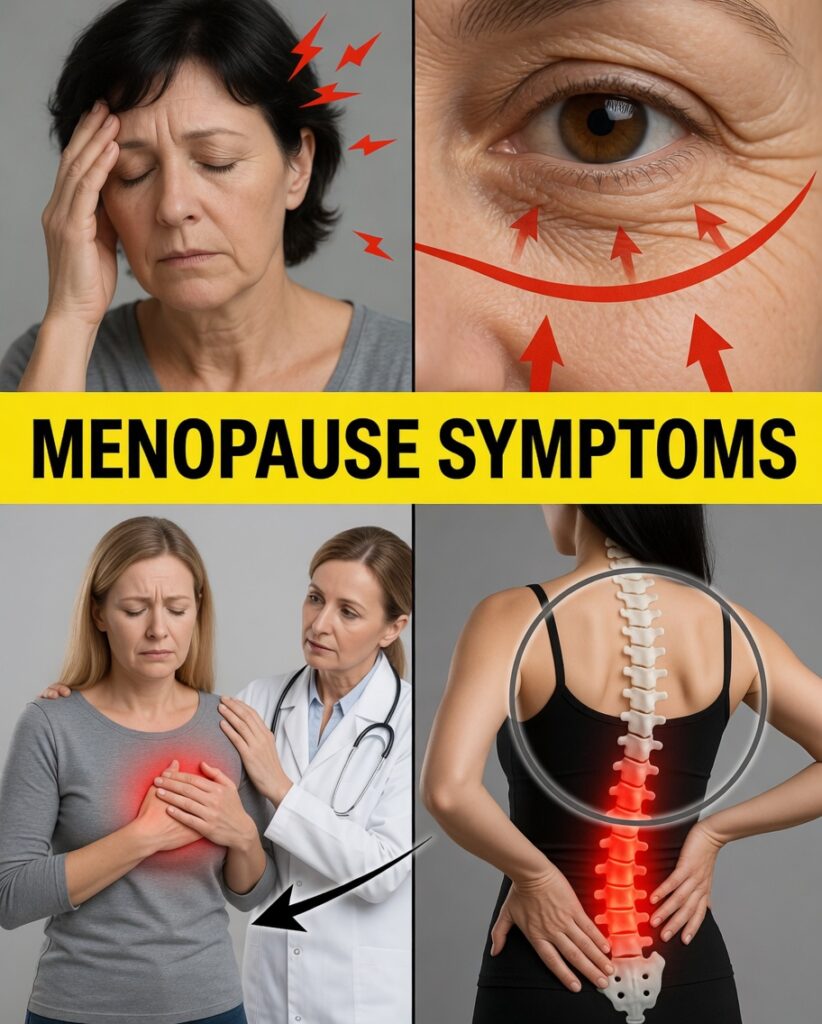
Hot Flashes, Weight Gain, and Brain Fog? These May Be Signs of Menopause
Sudden heat waves, unexpected weight changes, and a cloudy mind can feel alarming—especially when they appear out of nowhere. The good news is that these symptoms are often part of a natural transition. With the right information and a few supportive habits, your body can regain a sense of balance.
Did you know that around 75% of women over 45 begin noticing surprising physical and emotional changes? Picture waking up at night with an intense rush of heat, as if you stepped into a sauna. Take a moment to reflect: on a scale from 1 to 10, how comfortable do you feel in your body today?
If you’re 45+ and feel like your body is shifting in unpredictable ways, understanding what’s happening can make this stage far easier to navigate. Read on to discover 9 surprising signs menopause may be starting, along with natural ways to cope with greater confidence.
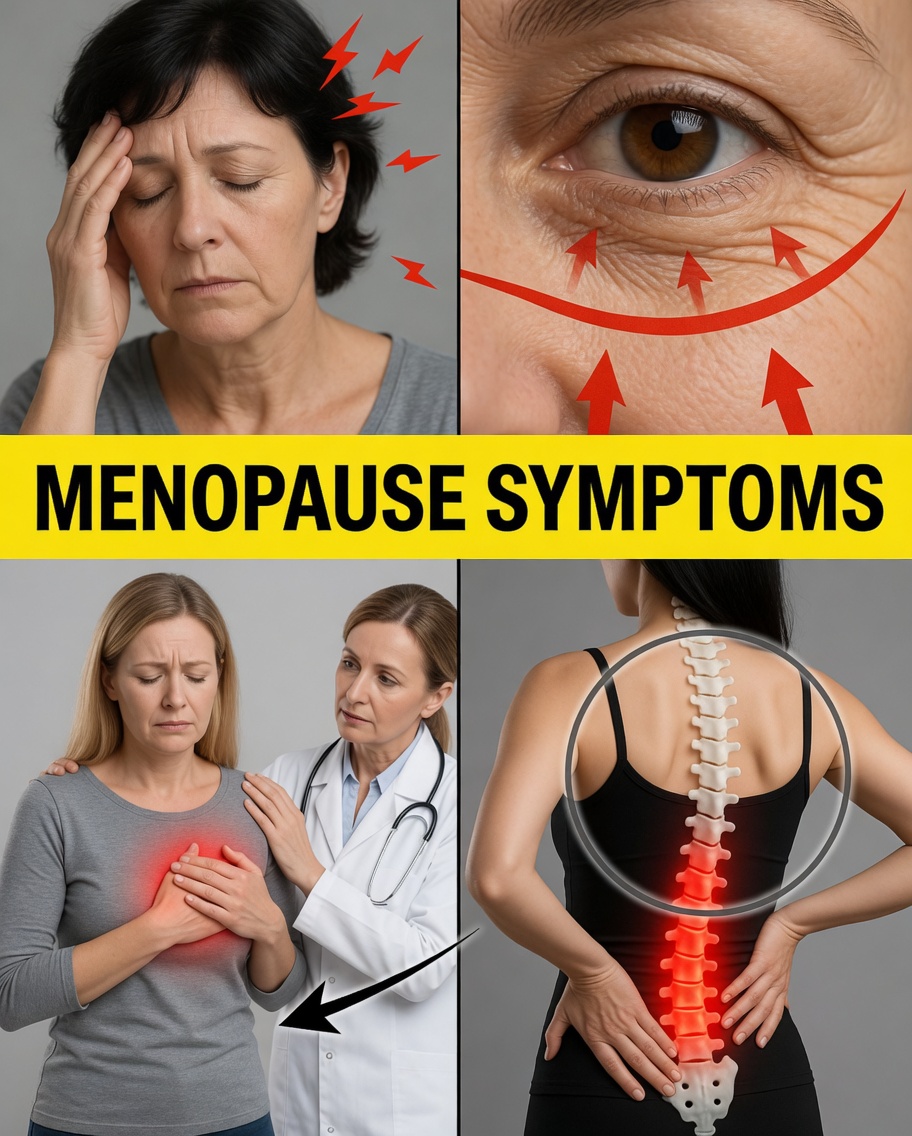
The Quiet Changes of Menopause
Around midlife, many women experience new challenges that don’t always seem connected at first—hot flashes, unexplained fatigue, mood shifts, sleep disruptions, and changes in self-confidence.
Much of this is driven by hormonal fluctuations, especially a decline in estrogen. Your body often gives clear signals; learning to recognize them can help you respond with more calm and control.
9 Common Signs Menopause (or Perimenopause) May Be Beginning
1. Sudden Hot Flashes
Hot flashes are among the most well-known menopause symptoms. You may feel a rapid wave of heat in the face, neck, and chest, often followed by sweating.
Helpful natural strategies include:
- Wearing breathable, lightweight clothing
- Keeping your bedroom cool
- Drinking water regularly throughout the day
2. Mood Swings and Emotional Ups and Downs
Irritability, anxiety, or sadness without an obvious reason can be linked to hormone changes that affect mood regulation.
Supportive habits:
- Deep breathing exercises
- Meditation or mindfulness
- Gentle outdoor walks for stress relief
3. Persistent Fatigue
If you’re exhausted even after sleeping, menopause-related hormone shifts and sleep disruption may be contributing factors.
To improve daily energy:
- Prioritize consistent, restorative sleep
- Focus on balanced meals with protein and fiber
- Choose light, regular movement (walking, stretching)
4. Irregular Periods
During perimenopause, menstrual cycles may become unpredictable—shorter, longer, heavier, lighter, or absent for months.
A simple way to feel more in control:
- Track your cycle changes in a journal or app to spot patterns over time
5. Trouble Sleeping
Many women experience insomnia, frequent waking, or restless sleep—sometimes tied to night sweats or increased stress sensitivity.
Sleep-friendly approaches:
- Build a calming pre-bed routine
- Reduce screen time in the evening
- Try soothing herbal teas as part of a wind-down ritual
6. Joint Pain or Stiffness
Lower estrogen levels can influence connective tissue, and some women notice stiffness or joint discomfort.
Natural support options:
- Gentle stretching
- Yoga or low-impact mobility work
- Anti-inflammatory foods (like leafy greens, fatty fish, olive oil)
7. Skin Changes (Dryness or Reduced Firmness)
Because hormones affect collagen and hydration, skin may become drier or less firm during this transition.
Helpful steps:
- Stay well-hydrated
- Use moisturizing creams or natural oils consistently
- Protect skin with a simple, steady skincare routine
8. Weight Gain (Especially Around the Belly)
A slower metabolism and shifting hormones can make fat accumulate more easily—often in the abdominal area.
To support healthy weight management:
- Maintain a nutrient-dense, balanced diet
- Keep consistent physical activity
- Focus on long-term habits rather than extreme dieting
9. “Brain Fog” and Difficulty Concentrating
Some women notice forgetfulness, reduced focus, or mental sluggishness—often called brain fog—which may be related to hormonal changes and sleep quality.
To improve mental clarity:
- Try mental stimulation (reading, puzzles, learning)
- Prioritize rest and recovery
- Keep a steady daily routine when possible
Natural Ways to Feel Better During Menopause
Menopause doesn’t have to be viewed as a problem. For many women, it becomes a new chapter—one that can feel empowering with the right support.
Small changes that can make a meaningful difference:
- Practice relaxation techniques regularly
- Eat nourishing, hormone-supportive meals
- Keep consistent sleep and wake times
- Choose light to moderate exercise you can sustain
- Track symptoms to understand your body’s patterns
When you recognize what your body is communicating, it becomes easier to regain energy, balance, and confidence.
A Small Step That May Help: Add Flaxseed
A simple, practical option is adding flaxseeds to smoothies or yogurt. Flaxseed contains lignans and nutrients that may naturally support hormonal balance as part of a healthy diet.
Start by paying attention to your body today. With knowledge and self-care, this transition can become a time of renewal and improved well-being.
Disclaimer
This content is for informational purposes only and does not replace professional medical advice. Please consult a qualified healthcare provider for personalized guidance.