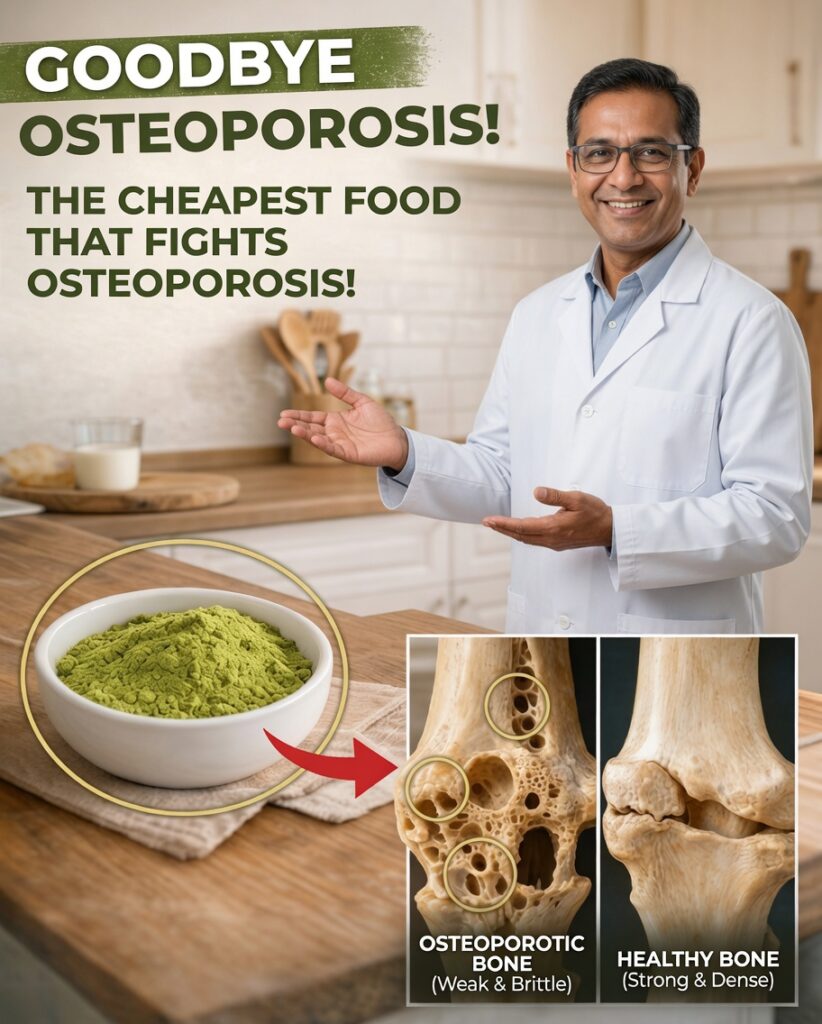
Are Your Bones Weaker After 60? This Budget-Friendly Fish Can Help Strengthen Bones and Lower Fracture Risk Naturally
Many people over 60 start noticing unsettling changes: bones feel more fragile, joints ache more often, and the fear of falling grows. Everyday tasks—walking, carrying groceries, or even getting out of bed—can feel harder as bone density naturally declines with age. Because this process is often silent, it can lead to frustration and real concerns about losing independence.
What if a simple, low-cost, easy-to-find food could support stronger bones? There’s an affordable “superfood” that costs just a few dollars and delivers a powerful mix of bone-supporting nutrients. Surprisingly, many shoppers walk right past it without realizing its value. Keep reading—this everyday food could change how you protect your bones starting now.
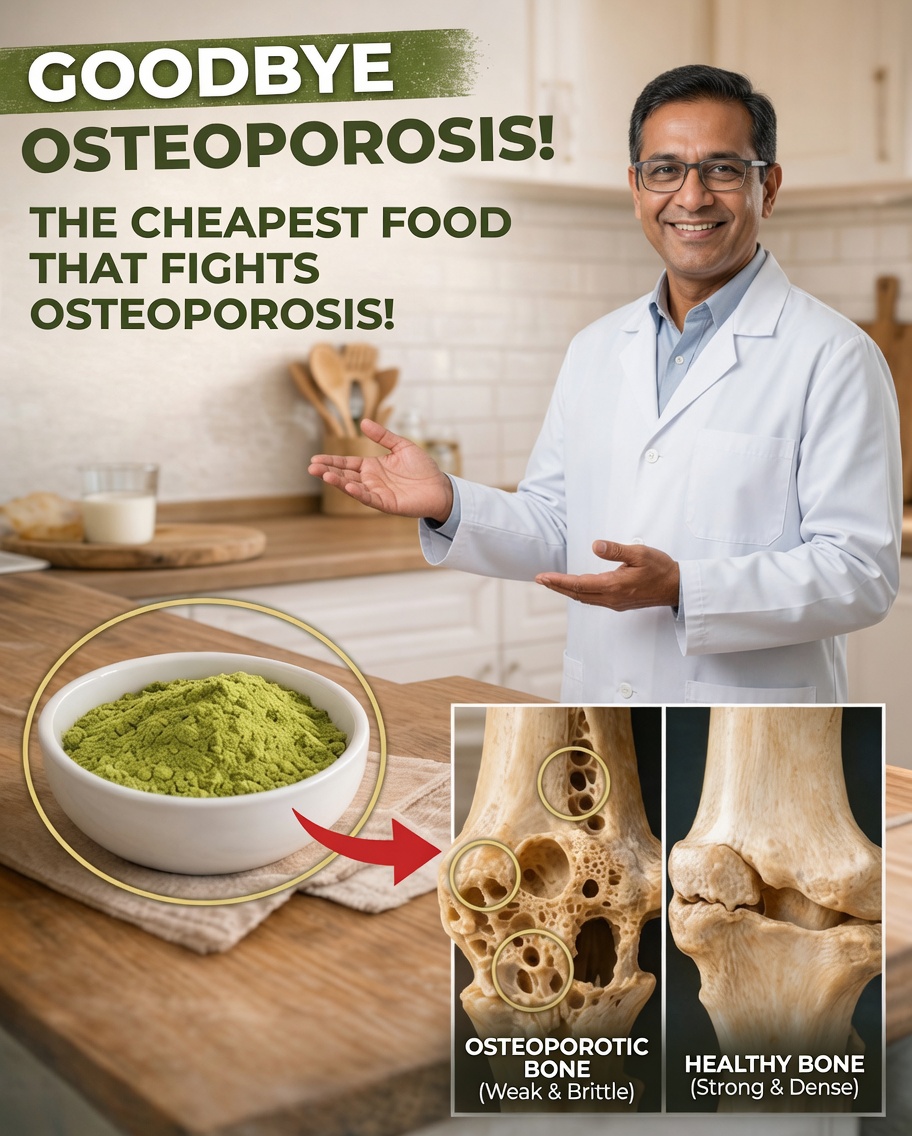
Why Bone Health Matters More After 60
As you age, bone remodeling slows down. In simple terms, the body may break down bone tissue faster than it rebuilds it. Over time, this reduces bone mineral density and raises the risk of fractures.
After age 50, many women experience faster bone loss in the years following menopause. Men can also lose bone mass gradually as they get older.
But bone strength isn’t only about avoiding “brittle bones.” Strong bones support balance, mobility, and the confidence to stay active—traveling, walking, and enjoying life with family. Even so, many people spend money on expensive supplements while overlooking practical nutrition strategies that start in the kitchen.
The Overlooked Superfood: Canned Sardines With Bones
The answer may be surprisingly simple: canned sardines with bones.
This inexpensive staple is packed with nutrients that support bone health. The small bones in canned sardines are soft, fully edible, and they’re exactly what makes sardines such a strong natural source of calcium.
A typical serving of about 100 g can provide roughly 325–350 mg of calcium, which is close to one-third of the recommended daily intake for many older adults.
And sardines offer much more than calcium. They also provide:
- Natural vitamin D, which helps your body absorb calcium more efficiently
- Phosphorus, essential for bone mineral structure
- Magnesium, involved in bone formation and maintenance
- Omega-3 fatty acids, known for helping reduce inflammation
- High-quality protein, important for maintaining muscle mass and stability
Together, these nutrients work as a team—making sardines an exceptionally efficient food for supporting bone density and overall mobility.
Why Do So Many People Skip Sardines?
Despite their benefits, sardines are often ignored due to taste assumptions or childhood memories. Some people expect a strong flavor, while others simply don’t know how to use them in meals.
The good news: many modern canned sardines taste milder—especially when paired with the right ingredients. And few foods deliver such a wide range of bone-supporting nutrients in one option that’s also so affordable.
Quick Calcium Comparison: Sardines vs. Other Foods
To see the value more clearly, here’s a simple comparison:
- Canned sardines (with bones): 325–350 mg calcium
- 1 glass of milk: about 300 mg
- 1 cup cooked kale: about 180 mg
In addition to calcium, sardines also supply natural vitamin D, protein, and omega-3s—a combination many calcium-rich foods don’t provide at the same time.
Easy Ways to Add Sardines to Your Diet
Including sardines can be both simple and enjoyable. Practical ideas include:
- Mash sardines onto whole-grain toast with lemon and herbs
- Mix them into salads for extra protein
- Add to pasta or rice dishes
- Blend into a quick spread with avocado
- Top whole-grain bread for a savory breakfast
If the flavor feels strong at first, try pairing sardines with lemon, mustard, olive oil, or fresh herbs. These additions balance the taste and make the dish more appealing.
Other Foods That Support Stronger Bones
For the best results, pair sardines with a varied, nutrient-rich diet, including:
- Dark leafy greens (kale, spinach) for vitamin K
- Calcium- and vitamin D-fortified plant milks
- Nuts and seeds rich in magnesium
- Prunes, which some studies associate with bone health support
A diverse diet helps maximize the benefits of each food.
Conclusion
Strengthening bones after 60 doesn’t have to be expensive or complicated. Canned sardines are a simple, accessible option that provides key nutrients to help maintain bone density, support mobility, and protect independence over time.
Small nutrition changes can lead to meaningful health benefits. Start with something easy—consider adding a can of sardines this week—and see how this affordable food can become a powerful ally for your long-term well-being.
Frequently Asked Questions
How many servings of sardines should I eat per week?
For many people, 1–2 servings per week is a balanced way to benefit from their nutrients.
Do canned sardines contain a lot of mercury?
Generally, no. Because sardines are small and short-lived fish, they typically have very low mercury levels.
Can sardines replace calcium supplements?
Sardines provide naturally occurring, highly absorbable calcium, but individual needs vary. A healthcare professional can help you decide what’s best for your situation.
Medical Disclaimer
This article is for informational purposes only and does not replace professional medical advice. Always consult a doctor or registered dietitian before making significant dietary changes, especially if you have health conditions or take medications.