A Common Plate Habit That May Reduce Nutrient Absorption
Many older adults in Mexico take pride in preparing wholesome meals each day. Even so, one subtle nutrition habit often slips by unnoticed: tomatoes and avocados are both common on the table, but they are not always eaten together. Tomatoes may be served in salads, while avocado appears in tacos, toast, or on the side.
At first glance, this seems unimportant. But separating these two foods may mean the body absorbs much less of a key protective compound found in tomatoes. When eaten together, they can actually help the body use nutrients more effectively. The reason is simple, but surprisingly overlooked.
Why Tomatoes Matter for Healthy Aging
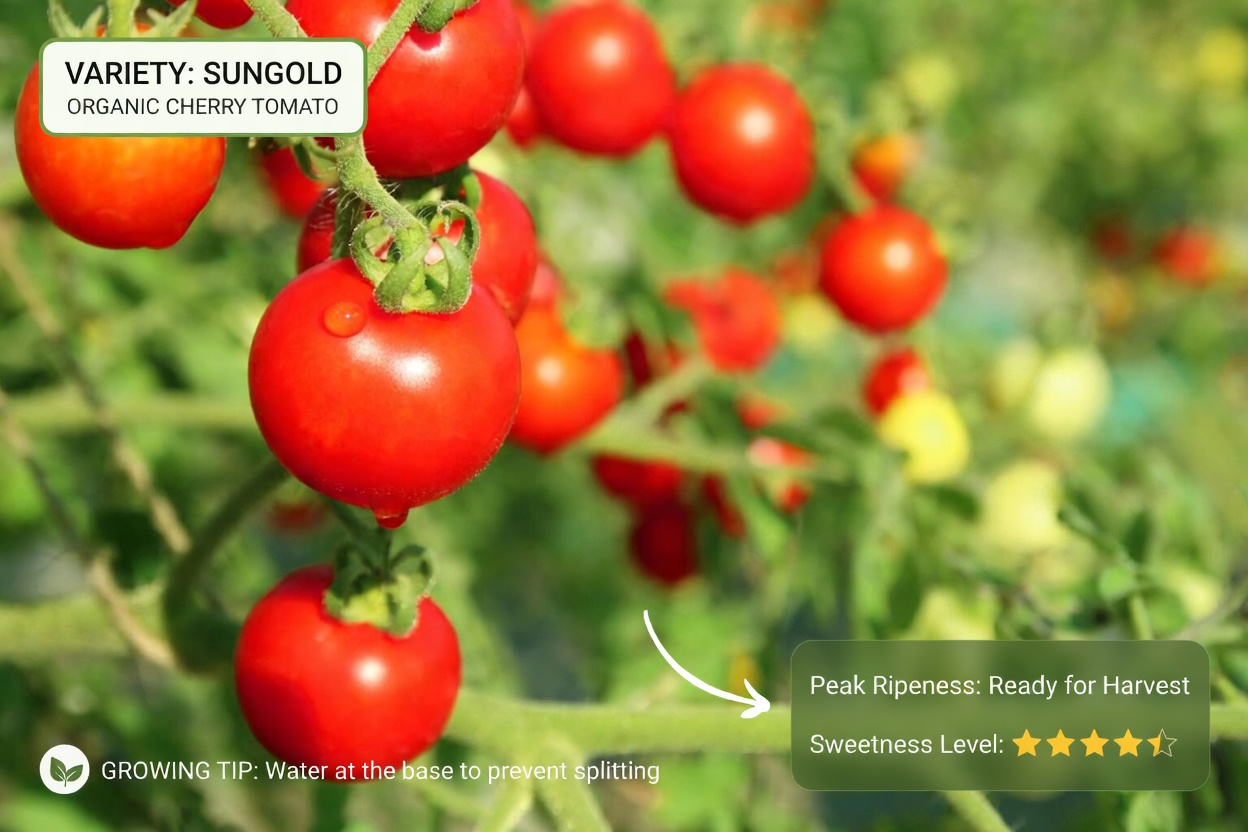
Tomatoes are a staple in countless Mexican dishes, from fresh salsa and soups to stews and salads. Beyond their bright flavor, they are also known for containing lycopene, a powerful antioxidant.
Lycopene is the natural pigment responsible for the red color of tomatoes. Studies suggest that diets containing lycopene are linked with better heart health and stronger cellular protection as people grow older.
Why experts value lycopene
- It helps reduce oxidative stress in the body
- It supports cardiovascular wellness as part of a healthy eating pattern
- It contributes to protecting cells from damage
- It may promote healthy aging when included regularly in meals
However, there is one important point many people never hear:
Tomatoes on their own are not the most efficient way to absorb lycopene.
That is where food pairing becomes important.
Why the Body Needs Fat to Absorb Lycopene
Lycopene is a fat-soluble nutrient, which means the digestive system needs dietary fat to absorb it properly. If tomatoes are eaten without a source of fat, much of this valuable compound may pass through the body unused.
This is why simply eating more tomatoes is not always enough. The body also needs the right conditions to take advantage of their nutrients.
How Avocado Helps the Body Use Lycopene Better
Avocado is another favorite ingredient across Mexico. It adds creaminess, flavor, and satisfaction to meals. More importantly, it provides something tomatoes lack: healthy fats.
Avocados are rich in monounsaturated fats, the same type often associated with heart-friendly eating styles such as the Mediterranean diet. During digestion, these fats help the body absorb fat-soluble compounds like lycopene.
In simple terms
- Tomatoes supply the lycopene
- Avocados help the body absorb it
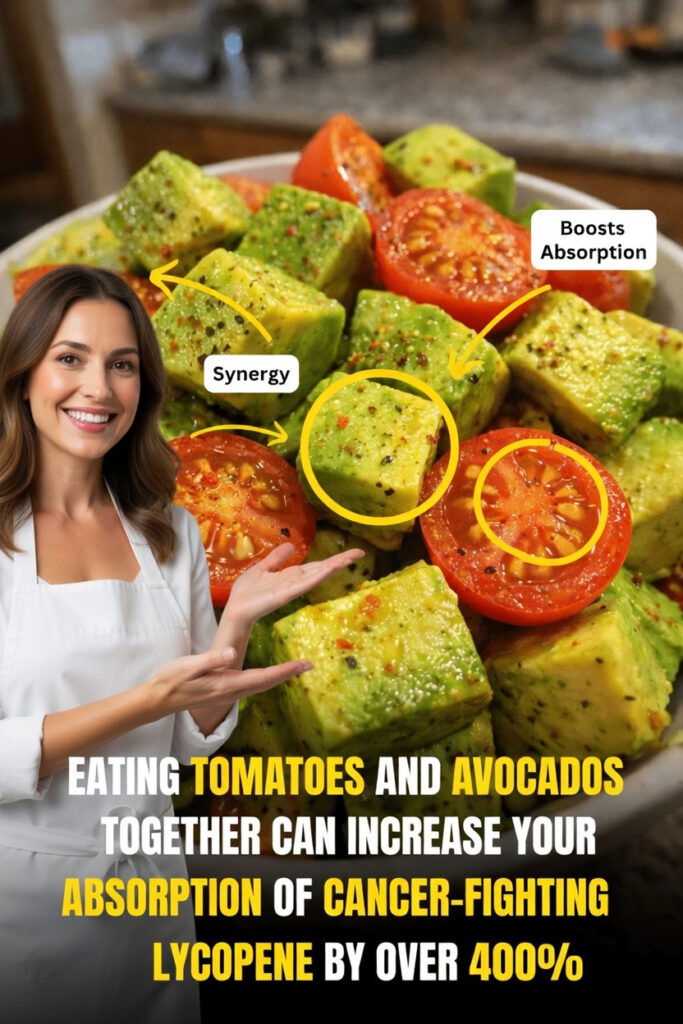
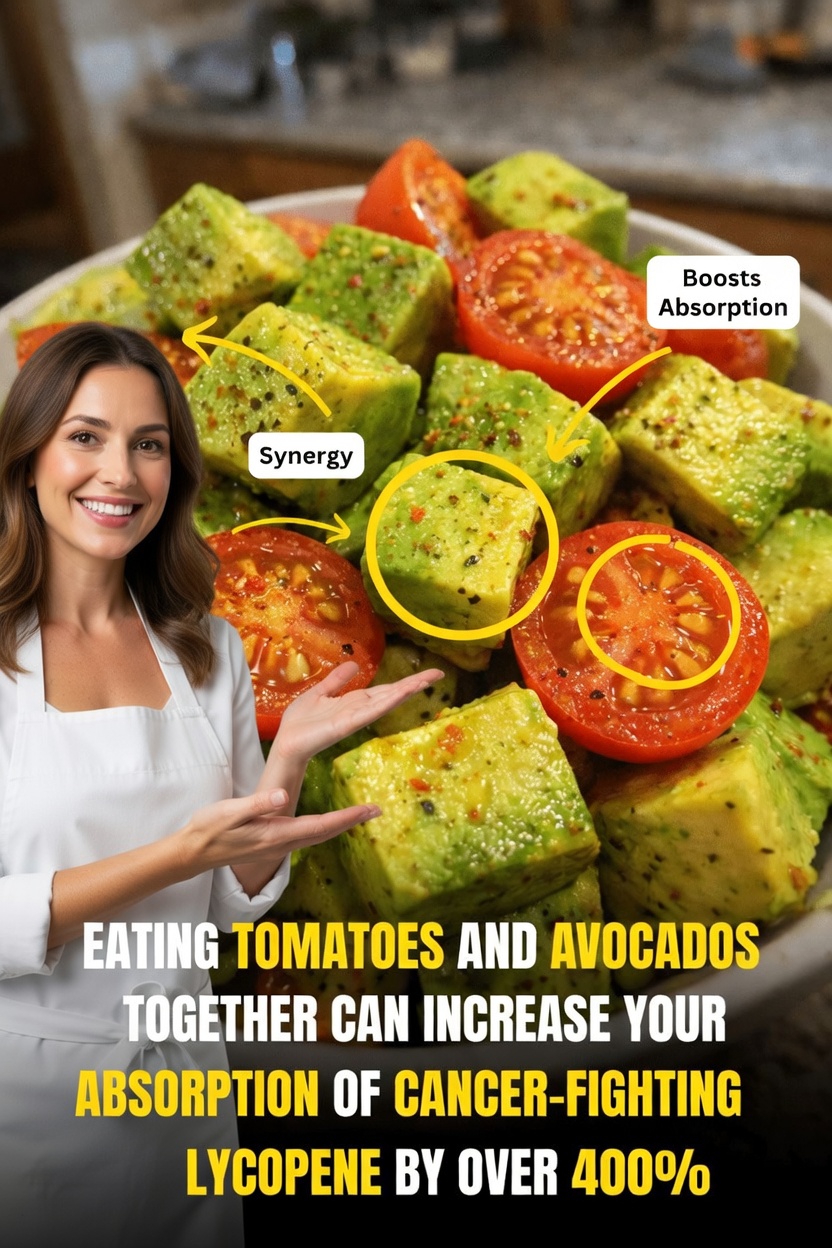
Some nutrition research has found that adding avocado to tomato-based meals can significantly increase lycopene absorption compared with eating tomatoes alone.
This does not make avocado a miracle food. Instead, it shows that the way foods are combined can strongly influence how nutrients are used.
Nutrition Is About More Than Individual Foods
A healthy diet is not only about choosing good ingredients one by one. It is also about how those foods work together. This is an important lesson, especially for adults focused on aging well.
In many cases, smart food combinations can improve nutrient use without expensive supplements or complicated diet plans.
What Research Says About Tomatoes and Healthy Fats
Multiple studies in nutrition have looked at the relationship between dietary fat and lycopene absorption. Findings suggest that when tomatoes are eaten with a healthy fat source, lycopene levels in the bloodstream rise more than when tomatoes are eaten alone.
Why this happens
During digestion, fats help trigger the formation of tiny transport particles in the intestines. These particles carry fat-soluble nutrients through the intestinal wall and into the bloodstream.
Without fat, this process becomes much less effective.
Lycopene absorption comparison
| Meal combination | Lycopene absorption potential |
|---|---|
| Tomatoes alone | Lower absorption |
| Tomatoes with olive oil | Higher absorption |
| Tomatoes with avocado | Higher absorption |
| Cooked tomatoes with healthy fat | Often increased availability |
There is another factor worth noting: cooking tomatoes can also improve lycopene availability.
Heat helps break down the cell walls of tomatoes, making lycopene easier to access during digestion. That is one reason warm tomato dishes such as salsa, tomato sauce, and vegetable stews may provide especially usable lycopene when paired with healthy fats.
Easy Ways to Eat Tomato and Avocado Together
The good news is that this pairing does not require elaborate cooking. In fact, many traditional Mexican meals already support this principle naturally.
Here are a few simple ways older adults can include both foods in everyday meals.
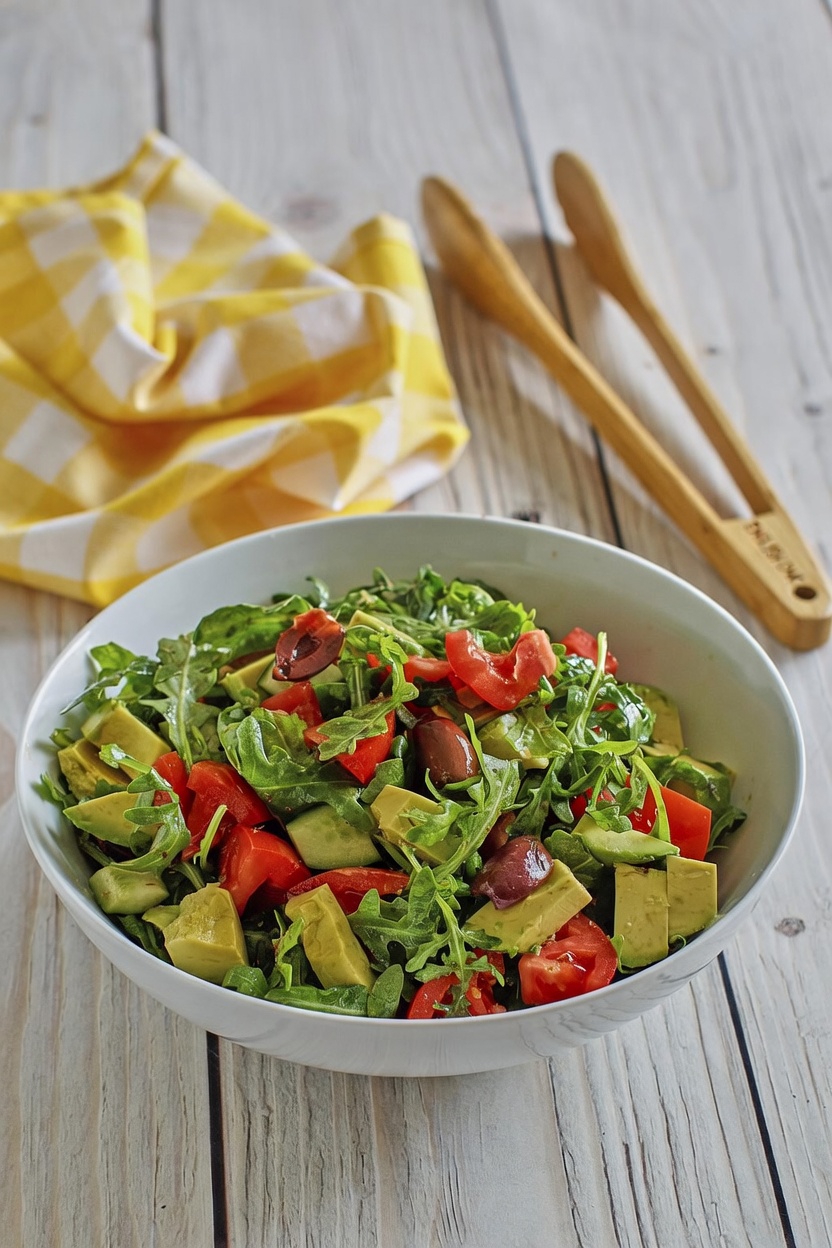
1. Fresh tomato and avocado bowl
Dice fresh tomatoes and avocado, then add:
- Lime juice
- A pinch of sea salt
- Fresh cilantro
- A drizzle of olive oil
This creates a balanced dish that combines tomatoes with healthy fats in a simple, flavorful way.
2. Add avocado to tomato salsa
If you already enjoy pico de gallo or salsa roja, try mixing in small avocado cubes. This can improve both texture and nutrient absorption.
3. Build a tomato-avocado breakfast plate
Serve sliced tomatoes and avocado alongside eggs or beans in the morning. This combination provides protein, fiber, and healthy fats to support steady energy throughout the day.
4. Top warm tomato soup with avocado
Prepare a tomato and vegetable soup with onion, garlic, and other vegetables. Add fresh avocado slices before serving. The warmth helps release tomato compounds, while avocado provides the fat needed for better absorption.
Small Food Pairing Habits That Support Healthy Aging
Many adults over 50 focus mostly on sugar, calories, or portion size. While these matter, nutrient absorption is another key part of healthy eating that often goes unnoticed.
Thoughtful food pairing can help the body make better use of nutrients without requiring dramatic changes.
Helpful habits to try
- Pair colorful vegetables with healthy fats
- Add avocado, olive oil, nuts, or seeds to salads
- Combine cooked tomatoes with avocado or olive oil
- Include fiber-rich foods such as beans and vegetables to support digestion
These habits fit well with both Mediterranean and Latin American eating patterns, which emphasize whole foods, balance, and practical home cooking.
Best of all, there is no need for extreme diets. Often, the most effective nutrition strategies are already present in traditional meals.
Final Thoughts
Tomatoes and avocados are already common in many Mexican kitchens. But when they are eaten separately, the body may not absorb lycopene from tomatoes as efficiently.
Pairing tomatoes with healthy fats like avocado can help improve lycopene absorption as part of a balanced diet. This simple combination reveals an important truth about nutrition:
Foods are valuable not only because of what they contain, but also because of how they work together.
Small changes in meal preparation can quietly support better nutrient use over time. Sometimes, the most useful health habits are already in your kitchen—you just need to combine them.
Frequently Asked Questions
Is it necessary to eat avocado with tomatoes every time?
No. Tomatoes are still a healthy food by themselves. However, adding healthy fats such as avocado or olive oil to some tomato-based meals may help the body absorb lycopene more effectively.
Are cooked tomatoes better than raw tomatoes for lycopene?
Cooking can make lycopene more available because heat breaks down the plant structure of tomatoes. Both raw and cooked tomatoes can be part of a healthy diet.
Can olive oil be used instead of avocado?
Yes. Olive oil is another excellent source of healthy fat and may also support the absorption of fat-soluble nutrients like lycopene when eaten with tomatoes.