
Eat Oats for 30 Days and Notice the Difference
Lower cholesterol, smoother digestion, and steady energy from morning to night—these are some of the most common changes people report after making oats a daily habit. Your body may benefit far more than you expect.
Have you ever woken up tired even after breakfast? Do you recognize that bloated feeling, the mid-morning crash, or hunger returning just a couple of hours later? This is especially common for adults over 30. Now picture starting your day with a warm bowl of creamy oatmeal—gentle aroma, comforting texture, and real nourishment. It sounds simple, but it can meaningfully improve your health.
Ask yourself one quick question: on a scale from 1 to 10, how energized do you truly feel after breakfast? If your answer isn’t high, keep reading—you might find one of the easiest, most effective wellness upgrades you can make.
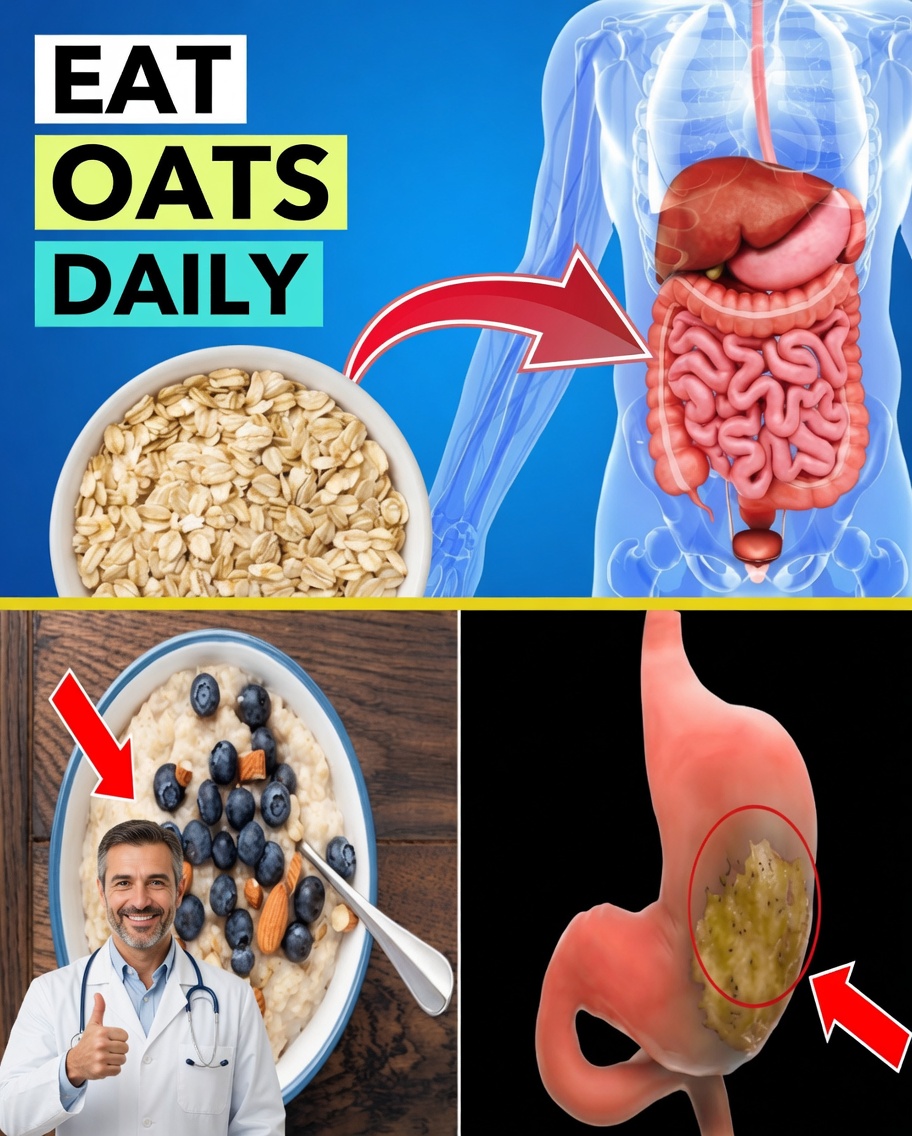
Why Mornings Feel Harder After 30
As we age, the body often shifts in noticeable ways: digestion can slow down, energy becomes less predictable, and weight may creep up even when your routine hasn’t changed much. Many “quick” breakfast choices—sugary cereals, pastries, or coffee-only mornings—can spike blood sugar and trigger an energy dip soon after.
That’s where oats stand out. This humble whole grain is packed with fiber, key vitamins and minerals, and powerful antioxidants that work together to support your body on multiple levels.
15 Benefits of Eating Oatmeal Every Day
1. Helps Keep Blood Sugar Steady
Oats are rich in beta-glucan, a soluble fiber that slows how quickly sugar enters the bloodstream. The result is more stable morning energy and fewer cravings between meals.
2. Supports Heart Health
Regular oatmeal intake is linked to lower LDL (“bad”) cholesterol. Soluble fiber acts like a sponge, helping the body carry excess cholesterol out.
3. Improves Digestion and Reduces Bloating
Oats contain both soluble and insoluble fiber, which supports regular bowel movements and more comfortable digestion. Many people notice less bloating after adding oats daily.
4. Strengthens Immune Defenses
Beta-glucans may help activate immune cells over time, supporting a stronger immune response.
5. Nourishes Brain Function
Oats provide B vitamins, which play an important role in brain and nervous system health—supporting focus, memory, and mental clarity.
6. Helps With Weight Management
Because oats are high in fiber, they increase satiety (feeling full). A satisfying oatmeal breakfast can reduce overeating later in the day.
7. Helps Fight Inflammation
Oats contain unique antioxidants called avenanthramides, known for their role in supporting the body’s anti-inflammatory processes.
8. Feeds Healthy Gut Bacteria
Oat fiber works as a prebiotic, helping beneficial gut bacteria thrive. A healthier gut can influence digestion, immunity, and even mood.
9. May Lower Stress and Support Calm
Minerals such as magnesium help regulate the nervous system and may promote a more relaxed, balanced feeling.
10. Provides Long-Lasting Energy
Oats are a source of complex carbohydrates that release energy gradually—supporting endurance without harsh spikes and crashes.
11. May Improve Skin Health
With nutrients like zinc and antioxidants, oats can help protect the skin from inflammation and support a healthier appearance.
12. May Support Better Sleep
Oats contain nutrients involved in the production of melatonin and serotonin, which are linked to relaxation and sleep quality.
13. Supports Strong Bones and Joints
Key minerals in oats—such as phosphorus, magnesium, and iron—contribute to bone strength and overall mobility.
14. May Improve Mood
B vitamins help regulate neurotransmitters connected to mood, supporting a steadier sense of well-being.
15. May Promote Long-Term Health
With a blend of fiber, antioxidants, and essential nutrients, oats can help reduce risk factors associated with chronic disease and support healthy aging.
How to Start: A Simple 30-Day Oats Plan
Make it easy and build the habit gradually:
- Days 1–7: ½ cup oats cooked with water or milk
- Days 8–14: add fruit and/or nuts for flavor and extra nutrients
- After 2 weeks: try overnight oats or experiment with new recipes and toppings
Extra tip: add chia seeds or ground flaxseed to boost fiber and nutrient density even more.
Conclusion
Now imagine how you could feel 30 days from today: steadier energy, lighter digestion, and a stronger overall sense of well-being. Sometimes the biggest changes start with the simplest habits.
Why not begin tomorrow with a bowl of oatmeal? Your body may thank you.
Disclaimer: This article is for informational purposes only and does not replace professional medical advice. Consult a healthcare professional for personalized guidance.