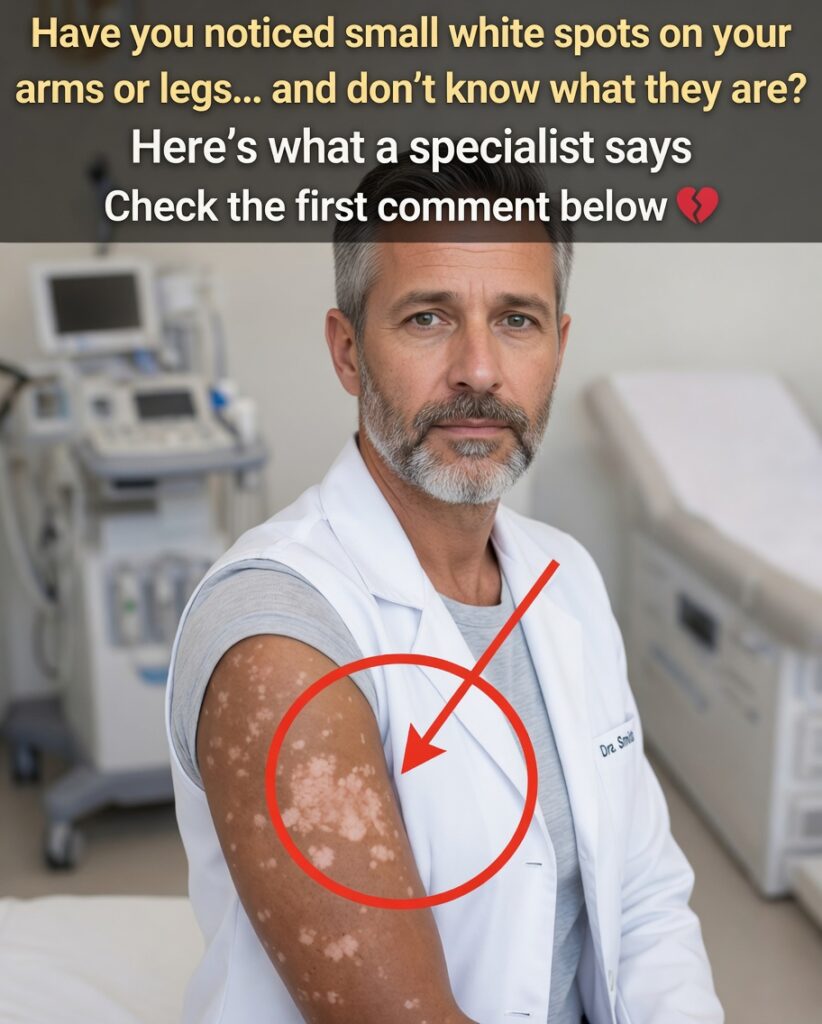
Noticing Small White Spots on Your Skin? Don’t Ignore Them
If you’ve started seeing tiny white patches on your skin, it’s worth paying attention. The cause is often straightforward—and there are natural, skin-friendly habits that can support a more even, healthy-looking tone.
Small light spots can appear suddenly on the arms, legs, back, or shoulders. Because they stand out against your natural skin color, they may trigger worry, self-consciousness, or even embarrassment—especially when wearing shorts, taking photos, or going to the beach. Many people immediately assume something serious is going on.
The reassuring reality: in most cases, these white spots are common and typically not dangerous. Understanding what may be behind them can help you care for your skin more effectively and potentially reduce new spots over time.
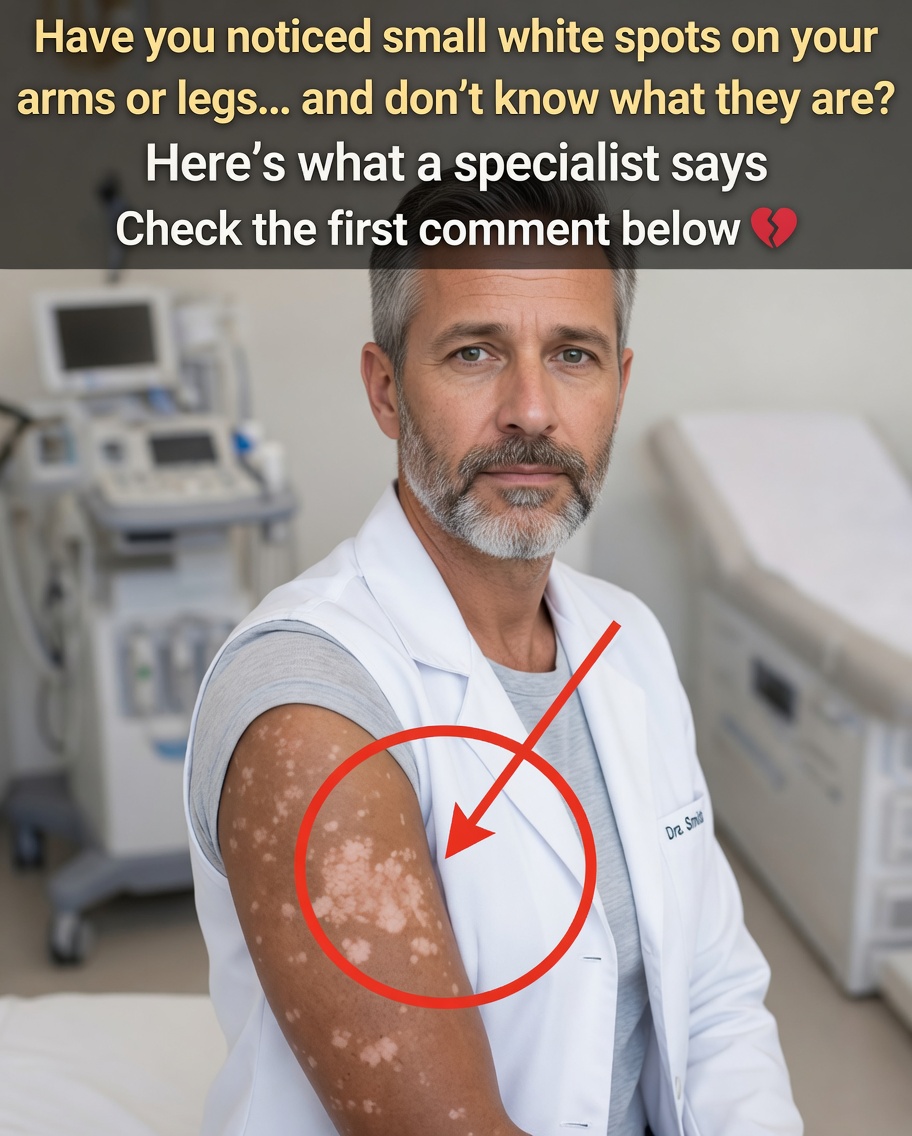
What Are Small White Spots on the Skin?
These marks are usually areas of hypopigmentation, meaning the skin produces less melanin in certain places. Melanin is the pigment responsible for skin color.
White spots can range from barely noticeable dots to slightly larger patches. They are often:
- Flat and smooth
- Not painful
- Usually not itchy (though some conditions may cause mild scaling)
They can happen to anyone, but they’re often more visible on darker skin tones or after sun exposure, when surrounding skin tans and the contrast increases.
Most Common Causes of White Spots on the Skin
Several conditions can lead to small white patches. Below are some of the most frequent explanations.
1. Idiopathic Guttate Hypomelanosis (Sun-Induced White Spots)
This is one of the most common causes. The spots tend to appear on sun-exposed areas, especially:
- Forearms
- Shins and lower legs
They are usually small, round, and long-lasting, yet completely benign. The main driver is cumulative UV exposure over the years. People with lighter skin or a genetic tendency may notice them more easily.
2. Tinea Versicolor (A Common Yeast Overgrowth)
Tinea versicolor occurs when a yeast that naturally lives on the skin grows too much. This can create patches that are lighter or darker than your normal skin tone.
Typical features include:
- Common on the chest, back, shoulders, and upper arms
- May have fine scaling or a slightly dry texture
- Often worsens with heat, humidity, and oily skin
With proper care, this condition usually improves without major difficulty.
3. Vitiligo
Vitiligo is a condition where the immune system affects the cells that produce melanin, leading to more clearly defined white patches.
These patches may show up on:
- Hands
- Face
- Elbows
- Other areas of the body
In some people, the spots can expand over time. Potential triggers or associations may include genetics, intense stress, or sunburn, though the exact cause can vary.
4. Pityriasis Alba
Pityriasis alba is especially common in children and in people with dry skin or a history of eczema. It typically causes pale patches that may have mild flaking.
These areas can become more noticeable after sun exposure, since the surrounding skin darkens. In most cases, the patches fade gradually with time.
5. Nutrition and Lifestyle Factors
Sometimes, nutrition and daily habits can influence how healthy and even your skin looks. While not always the main cause, certain deficiencies may play a role in skin changes.
Examples include:
- Vitamin B12 deficiency, which may be linked with paler skin and fatigue
- Low vitamin D, which can affect normal skin renewal
- Minerals like zinc and copper, which contribute to melanin-related processes
A balanced diet supports skin health overall, especially when a deficiency is present.
Natural Ways to Support Healthy, Even-Looking Skin
Simple routines can make a meaningful difference in your skin’s appearance and resilience.
Protect your skin from the sun every day
Use a broad-spectrum sunscreen (SPF 30 or higher) daily—even when it’s cloudy. UV exposure can increase contrast and make white spots more noticeable.
Eat a nutrient-rich, balanced diet
Include foods that support skin function, such as:
- Fish and eggs
- Seeds and nuts
- Dark leafy greens
Moisturize consistently
Use gentle moisturizers to help maintain the skin’s protective barrier—especially if you have dryness or eczema-prone skin.
Keep skin clean and dry in hot, humid weather
In humid climates, good hygiene and keeping the skin dry can reduce the chance of yeast or fungal overgrowth.
Track any changes
Pay attention to whether spots:
- Increase in size
- Spread quickly
- Change in appearance
- Start appearing in new locations
Conclusion
Small white spots on the skin are more common than many people realize—and in most cases, they are not a sign of a serious health problem. They may be related to sun exposure, mild fungal conditions, autoimmune factors, or even nutrition and lifestyle.
By recognizing possible causes and adopting consistent skin-care habits, you can help support healthier, more even-looking skin. If the spots spread rapidly, become more noticeable, or come with other symptoms, seeking professional guidance is the safest next step.
Frequently Asked Questions
Do white spots on the skin always mean disease?
No. They’re often harmless changes linked to sun exposure or mild skin conditions.
Can diet improve these spots?
A balanced diet can support skin health, especially if a nutrient deficiency is involved.
When should I see a dermatologist?
Consider professional evaluation if the spots grow quickly, change shape, spread widely, or appear along with other symptoms.
Disclaimer: This content is for informational purposes only and does not replace professional medical advice. Always consult a qualified healthcare provider for proper evaluation of any skin condition.