Why Walking Alone May Not Be Enough After 60
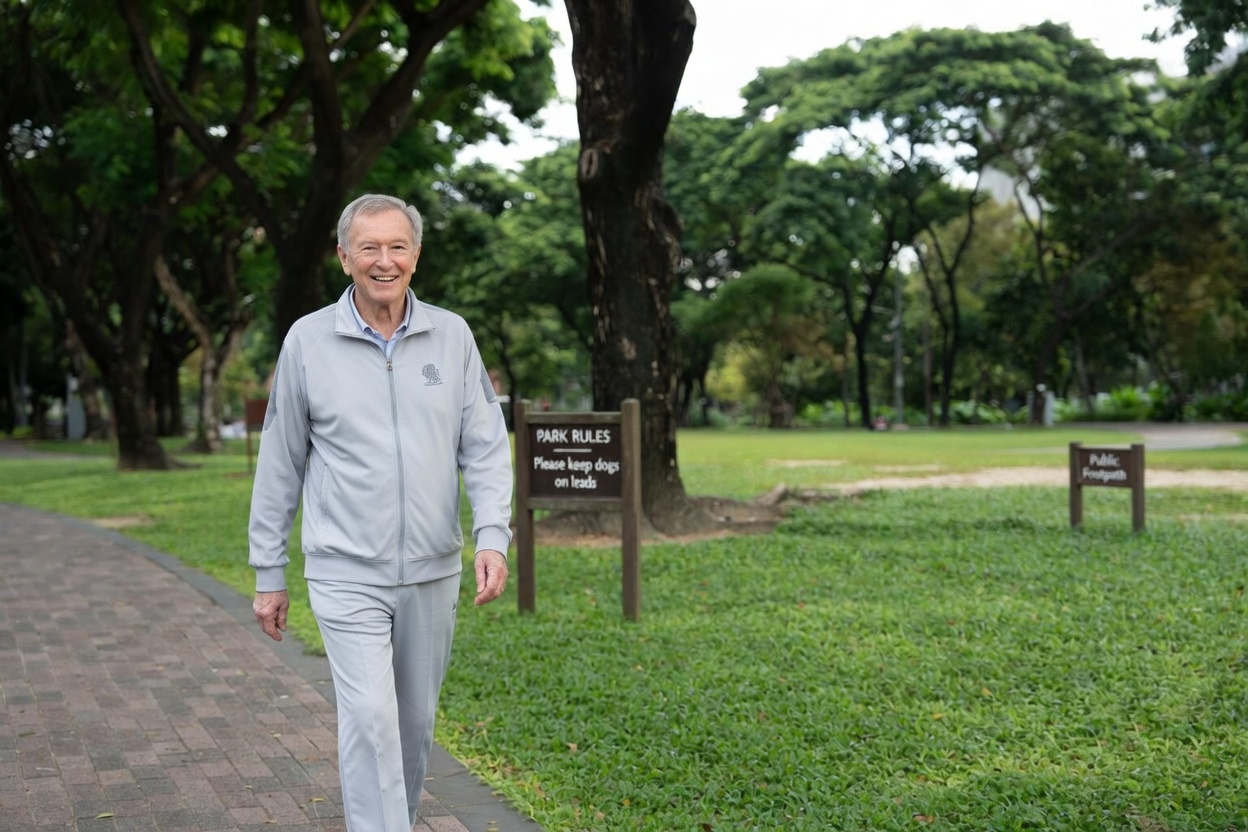
You may know someone like Don Luis from Guadalajara. Every morning, he circles the park with confidence, telling his friends that walking is all he needs to stay fit after 60. Then one day, in front of his grandchildren, he had trouble rising from a low bench. The moment passed, but the embarrassment lingered far longer than the ache in his knees.
Many older adults believe that a daily walk is enough to preserve strength and independence. Walking is certainly beneficial, but it does not fully challenge every muscle involved in stability, posture, and everyday movement. For that reason, many health professionals encourage older adults to combine walking with a few simple exercises that support balance, joint function, and muscle strength.
By the end of this article, you will discover five easy movements often recommended to help adults over 60 stay steady, mobile, and confident.
Why Walking Does Not Train Every Important Muscle
Walking remains one of the best habits for healthy aging. It promotes blood flow, supports heart health, lifts mood, and helps maintain endurance. Still, physical therapists and orthopedic experts often point out one key limitation: walking mainly works muscles involved in moving forward.
That means some important stabilizing muscles may not be challenged enough, including:
- Glutes, which help steady the hips
- Deep core muscles, which support and protect the spine
- Side hip muscles, which are essential for balance
- Upper leg muscles, which help stabilize the knees
When these muscles gradually weaken, ordinary tasks can become more difficult. Climbing stairs, standing up from a chair, or staying balanced on uneven pavement may no longer feel easy.
Studies in aging and physical activity research suggest that strength training and balance exercises can greatly improve mobility in adults over 60.
Walking is still an excellent choice. It simply becomes more effective when paired with a few targeted movements.
1. Chair Sit-to-Stand for Everyday Strength
This is one of the most useful exercises for daily living.
Why does it matter so much? Because getting up from a chair safely is closely linked to independence later in life. This movement helps strengthen the thighs, hips, and core while giving support to the knees.
How to do it
- Sit on a firm chair with both feet flat on the floor.
- Keep your back tall.
- Cross your arms over your chest or place your hands lightly on the chair if needed.
- Lean slightly forward.
- Press through your heels and rise slowly to standing.
- Lower yourself back down with control.
Start with 8 to 10 repetitions.
Many older adults like doing this while watching morning television or during short breaks throughout the day. Regular practice may also improve confidence with balance, which can reduce the fear of falling.
2. Wall Pushes for Upper Body Strength
A walking routine often leaves out one major area: upper body strength.
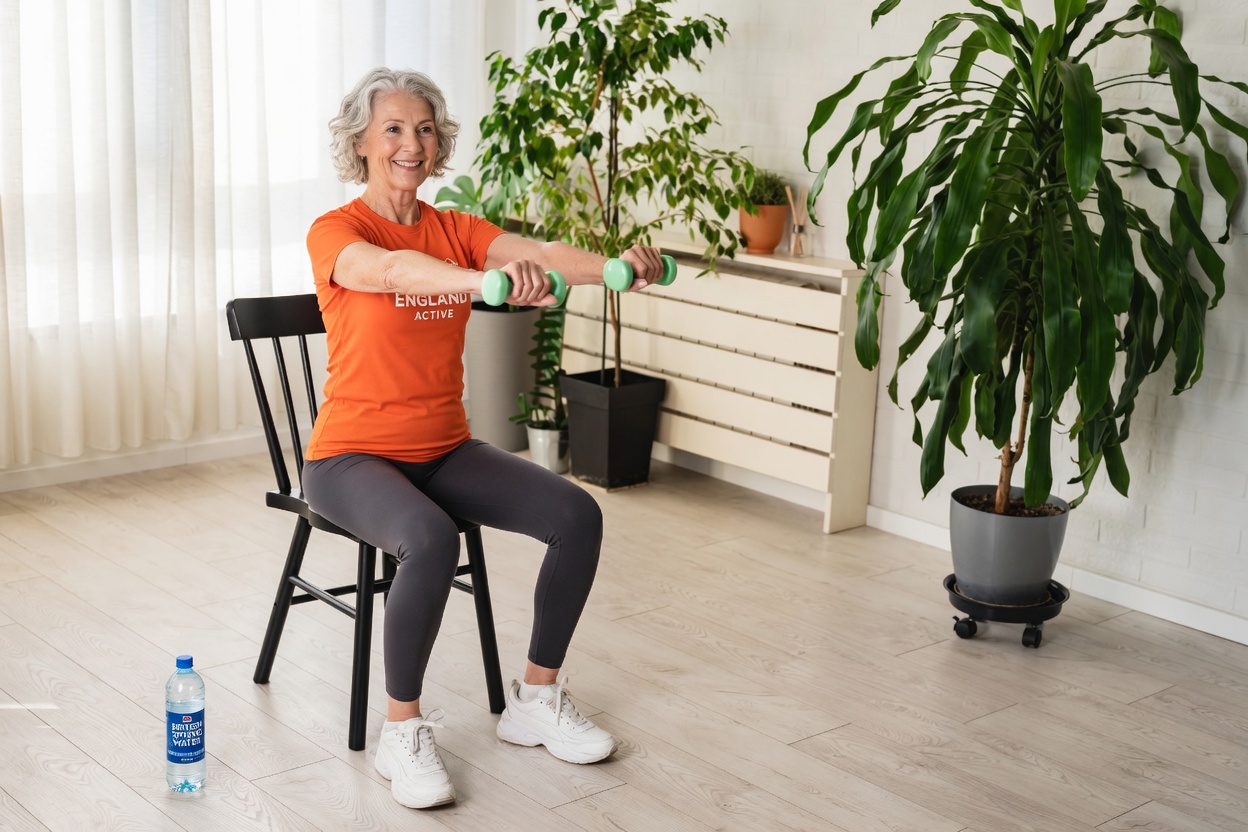
As people age, pushing strength becomes increasingly important for routine tasks such as opening heavy doors, carrying groceries, or helping yourself up from the floor. Wall pushes are a gentle but effective way to work these muscles without placing excessive strain on the joints.
How to do it
- Stand facing a wall about an arm’s length away.
- Place your palms on the wall at shoulder height.
- Bend your elbows slowly and bring your chest toward the wall.
- Push back to the starting position.
Aim for 10 to 12 repetitions.
Research in senior fitness shows that upper body strength plays an important role in maintaining independence in everyday life. One of the best things about wall pushes is that they are low-impact and joint-friendly.
3. Heel Raises for Calf Strength and Ankle Stability
Falls often happen because the lower legs become weaker over time without much notice. The calf muscles are especially important for balance, walking power, and keeping the ankles stable.
Heel raises are a simple way to activate and strengthen this area.
How to do it
- Stand behind a chair and hold the backrest for support.
- Keep your feet about hip-width apart.
- Slowly lift your heels off the floor.
- Hold for two seconds.
- Lower your heels gently back down.
Do 10 to 15 repetitions.
What makes this movement especially practical is how easy it is to fit into daily life. You can do heel raises while brushing your teeth or while waiting in the kitchen. Stronger calves may even help make walking feel more efficient.
4. Side Leg Raises to Improve Hip Stability
One commonly ignored area in older adults is side hip strength.
These muscles help keep the body steady while walking, stepping to the side, or going up stairs. When they are weak, knee discomfort and poor balance can become more common.
How to do it
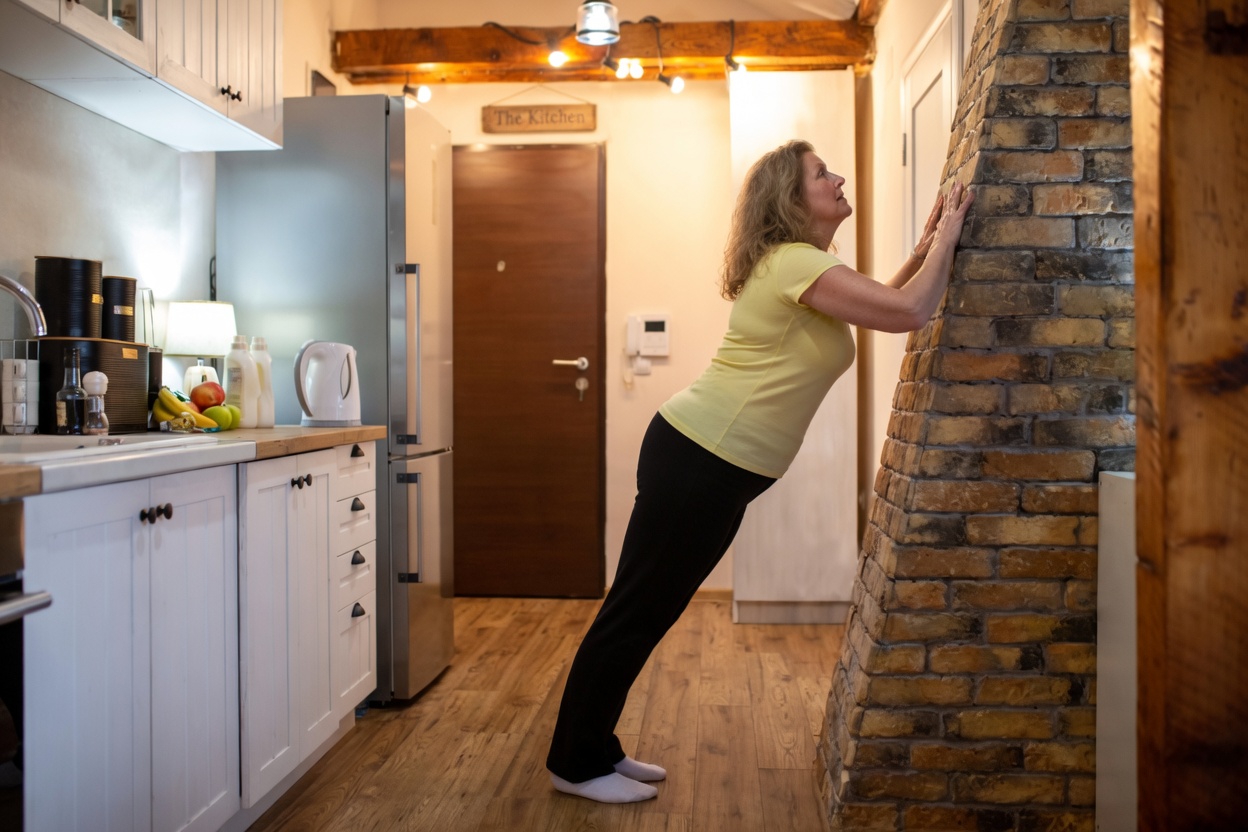
- Stand beside a chair or wall for support.
- Keep your body upright.
- Slowly lift one leg out to the side.
- Do not lean your torso.
- Lower the leg with control.
Perform 10 repetitions on each side.
This exercise appears often in physical therapy programs because strong hip stabilizers help reduce wobbling during walking. That can make a big difference on uneven sidewalks, crowded markets, or busy streets.
5. Gentle Balance Practice for Fall Prevention
After 60, balance becomes one of the most valuable abilities to maintain. Although walking is helpful, it usually does not challenge balance enough to keep it sharp.
A very simple balance drill can help.
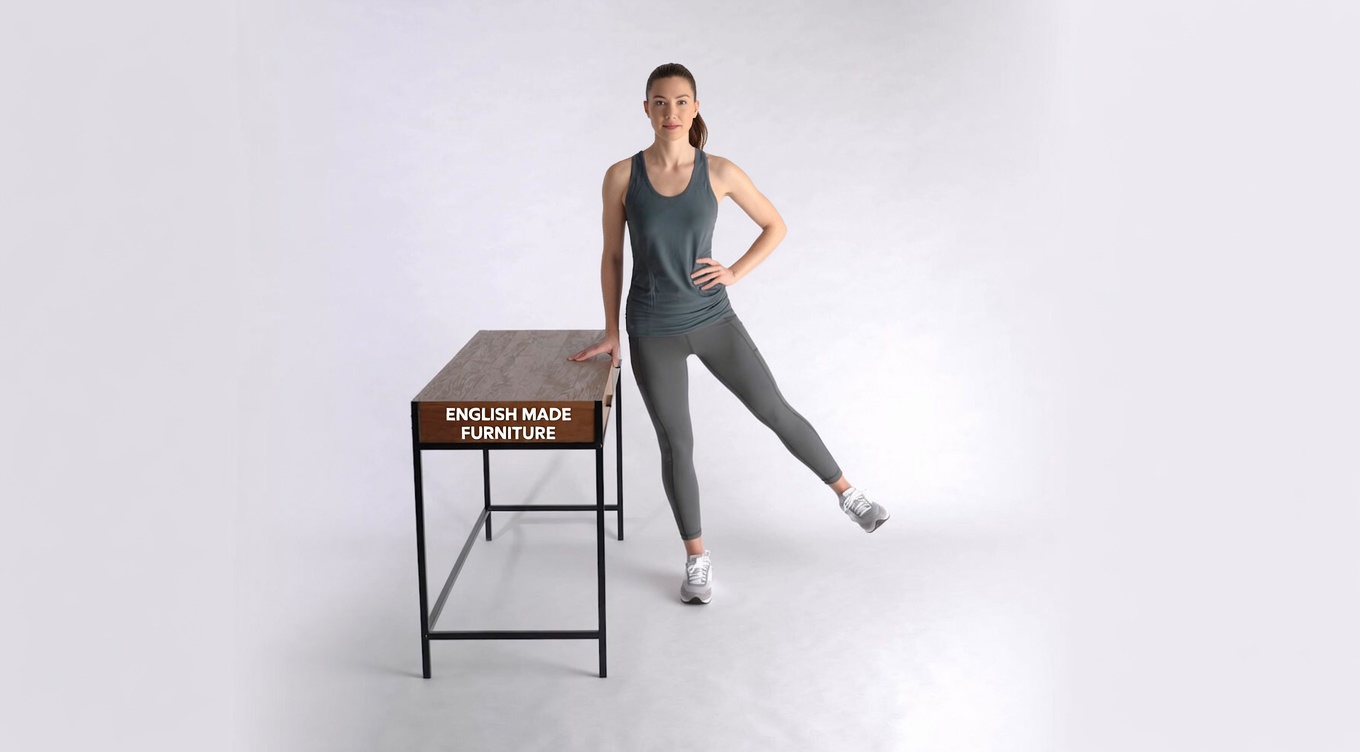
Single-leg balance
- Stand near a chair or wall.
- Lift one foot slightly off the ground.
- Hold for 10 seconds.
- Switch sides.
If necessary, keep one hand lightly touching your support.
Fall-prevention research shows that balance exercises can help older adults maintain coordination and body awareness. Even one minute of balance practice several times a day may lead to noticeable improvements over time.
Walking vs. Supportive Exercises: Which Is Better?
Many people wonder whether they should stop walking and replace it with strengthening exercises.
The answer is no.
Walking still offers excellent benefits. But when it is combined with strength and balance work, the result is a much more complete routine.
Simple comparison
| Activity | Main Benefits | What It May Miss |
|---|---|---|
| Walking | Heart health, circulation, endurance | Hip strength, upper body strength, balance training |
| Strength exercises | Muscle support, joint stability, functional movement | Cardiovascular conditioning |
| Balance practice | Coordination, fall prevention, body awareness | Cardio benefits |
The best approach is to include all three.
The good news is that each of these exercises takes only a few minutes.
A Simple Daily Routine to Start Today
Many older adults prefer a routine that feels manageable and realistic. Here is one easy structure often recommended by wellness professionals.
Morning
- 10-minute walk around the neighborhood or park
- 10 chair sit-to-stand repetitions
Afternoon
- 10 wall pushes
- 10 heel raises
Evening
- 10 side leg raises per side
- 30 seconds of balance practice
This full routine takes around 10 minutes.
What matters most is not intensity, but consistency.
Final Thoughts
Walking is a wonderful habit for supporting heart health, mood, and overall wellbeing. But after 60, the body benefits from more variety in movement. Adding a few gentle strength and balance exercises may help improve muscle function, support the joints, and preserve independence in everyday life.
Think of these exercises as small daily investments in future mobility. Just a few minutes each day can help you feel more secure when climbing stairs, rising from a chair, or walking confidently through a busy market with family.
Frequently Asked Questions
Is walking still a good form of exercise after 60?
Yes. Walking remains one of the safest and most accessible forms of physical activity for older adults. However, many health professionals recommend pairing it with strength and balance training for more complete physical support.
How often should older adults do strengthening exercises?
Many guidelines suggest two to three days per week of muscle-strengthening activity for older adults. For gentle bodyweight movements like the ones above, light daily practice is also common and often safe.
Can these exercises be done at home?
Yes. All of these movements can be practiced at home with very little space and no special equipment. A sturdy chair and a wall are usually enough.
Should these exercises replace walking?
No. Walking should remain part of the routine. These movements are meant to complement walking, not replace it.
What if balance feels difficult at first?
That is normal. Start with support from a chair or wall and hold the position for just a few seconds. With regular practice, balance often improves gradually.