An Ancient Plant That May Ease Breathing, Reduce Pain, and Calm the Mind—But Few Know Its Hidden Risk
Have you ever walked through a sunny garden, noticed a beautiful trumpet-shaped flower, and assumed nature always heals? Many people believe herbal remedies are automatically safe simply because they’re “natural.” But what if one single plant could bring real relief… or trigger dangerous, life-threatening consequences?
Stay with this to the end, because the story of Datura stramonium may surprise you.
Why “Natural Remedies” Feel So Appealing
After 40 or 50, it’s common to face issues like persistent aches, poor sleep, or ongoing anxiety. As these challenges build, many people start looking for gentler options and hope to rely less on conventional medications. Herbal teas, extracts, and plant-based compresses can seem like promising alternatives.
The problem is rarely discussed clearly: not all medicinal plants are safe when used without proper knowledge. Some herbs contain highly active compounds that can help or harm depending on dosage, preparation, and method of use.
What Is Datura Stramonium?
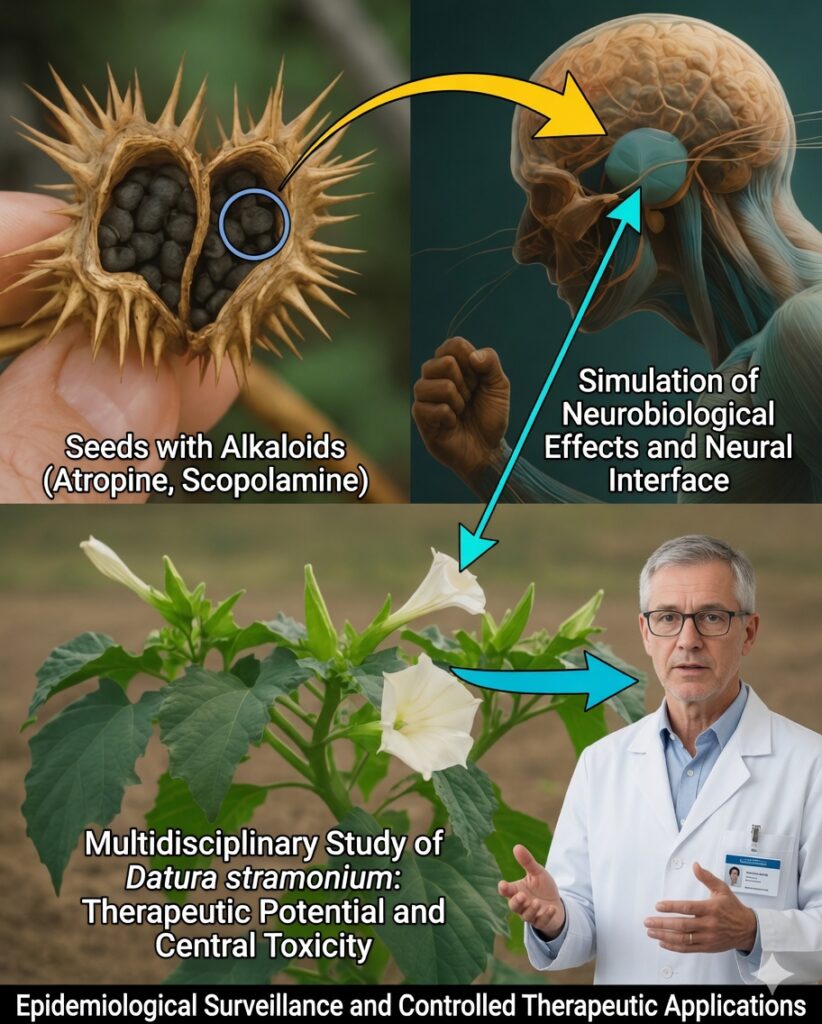
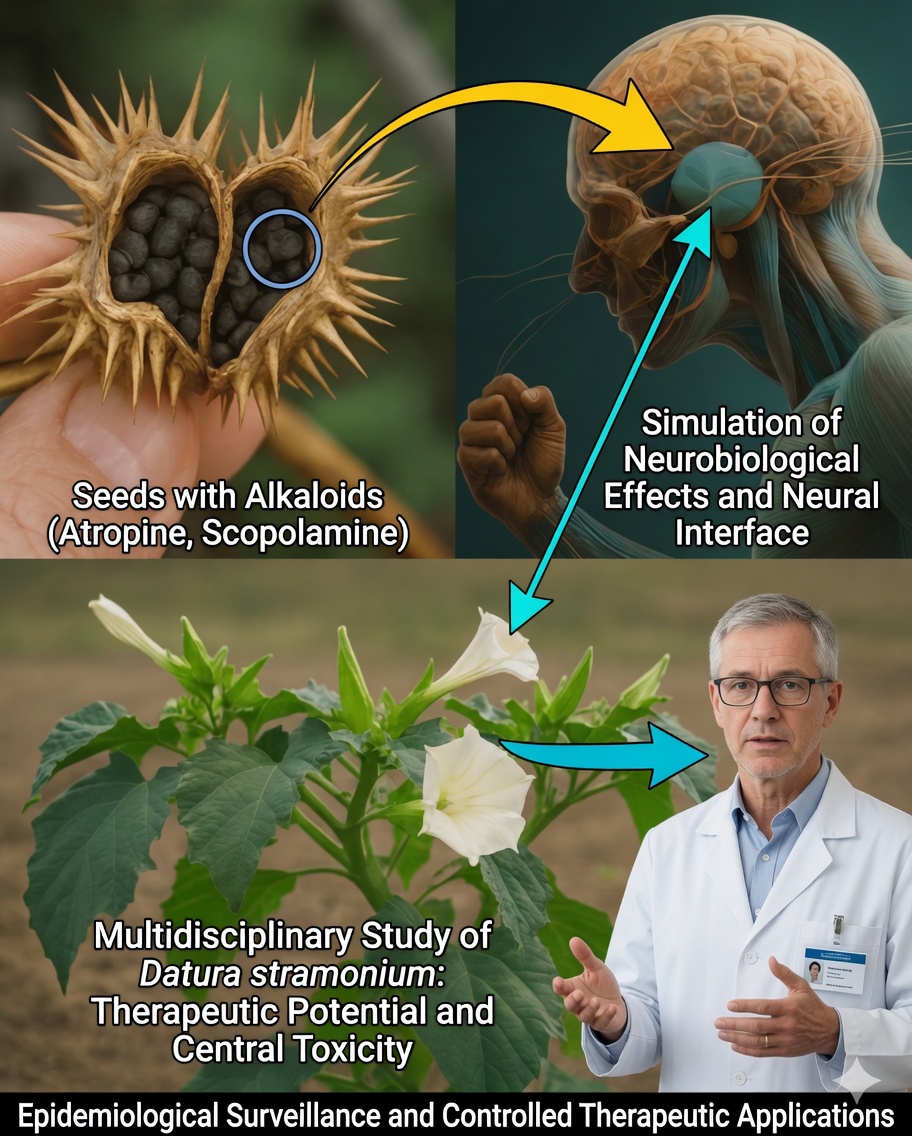
Datura stramonium—often called jimsonweed or devil’s weed—belongs to the nightshade (Solanaceae) family. It’s known for:
- Large, trumpet-like flowers
- Spiky seed pods filled with seeds
What makes this plant especially controversial is its chemistry. Datura contains powerful tropane alkaloids, including:
- Atropine
- Scopolamine
- Hyoscyamine
These substances act directly on the nervous system, which explains why the plant appears in both traditional medicine history and many accounts of poisoning.
Traditional Uses Reported in History
Across different cultures, Datura was sometimes used in very specific—and tightly controlled—ways. Records and traditional practices have linked it to the following uses (typically under expert handling and in extremely small amounts):
-
Respiratory support
Certain preparations were historically associated with relaxing the airways, leading to use in fumigations or highly diluted forms. -
Relief for joint and muscle pain
Some traditions used external oils or ointments containing plant extracts to ease rheumatic discomfort or arthritis-related pain. -
Mild sedative-like effects
Ethnobotanical references sometimes mention microdoses used in rituals or traditional preparations to encourage deep relaxation. -
Topical applications for skin concerns
In certain places, poultices were applied externally for wounds or skin inflammation.
The Major Danger Behind This Plant
Despite these historical uses, Datura stramonium is widely considered one of the most dangerous plants ever used in folk medicine. The margin between a “small amount” and a toxic dose can be extremely narrow, and potency can vary greatly.
Common signs of poisoning may include:
- Severe mental confusion
- Hallucinations
- Extremely dilated pupils
- Rapid heartbeat
- Fever and dehydration
- Seizures and, in extreme cases, coma
The seeds and leaves are especially potent. Many poisoning incidents happen when people misidentify the plant or attempt DIY home remedies without technical expertise.
Who Should Avoid It Completely
Some groups face significantly higher risk. For them, contact or ingestion can be especially dangerous:
- Children
- Older adults
- People with heart conditions
- People with neurological disorders
- Pregnant individuals
The Most Important Takeaway
Nature offers remarkable plants that can support health—but it also teaches a critical lesson: natural does not automatically mean safe.
Real wisdom is recognizing the power of herbs and seeking professional guidance before using any plant medicinally, especially unfamiliar ones. In many situations, gentler options—such as chamomile, ginger, or lemon balm—offer well-known benefits with far less risk.
Conclusion
Datura stramonium remains one of the most fascinating and controversial plants in traditional medicine. Its potent chemistry continues to impress researchers and herbal historians, but it also demands serious caution and respect.
Before trying any lesser-known medicinal plant, consult a qualified professional. When it comes to natural health, knowledge is the best protection.