Toothpaste and Vaseline for Acne and Dry Skin: Does This Viral Hack Really Work?
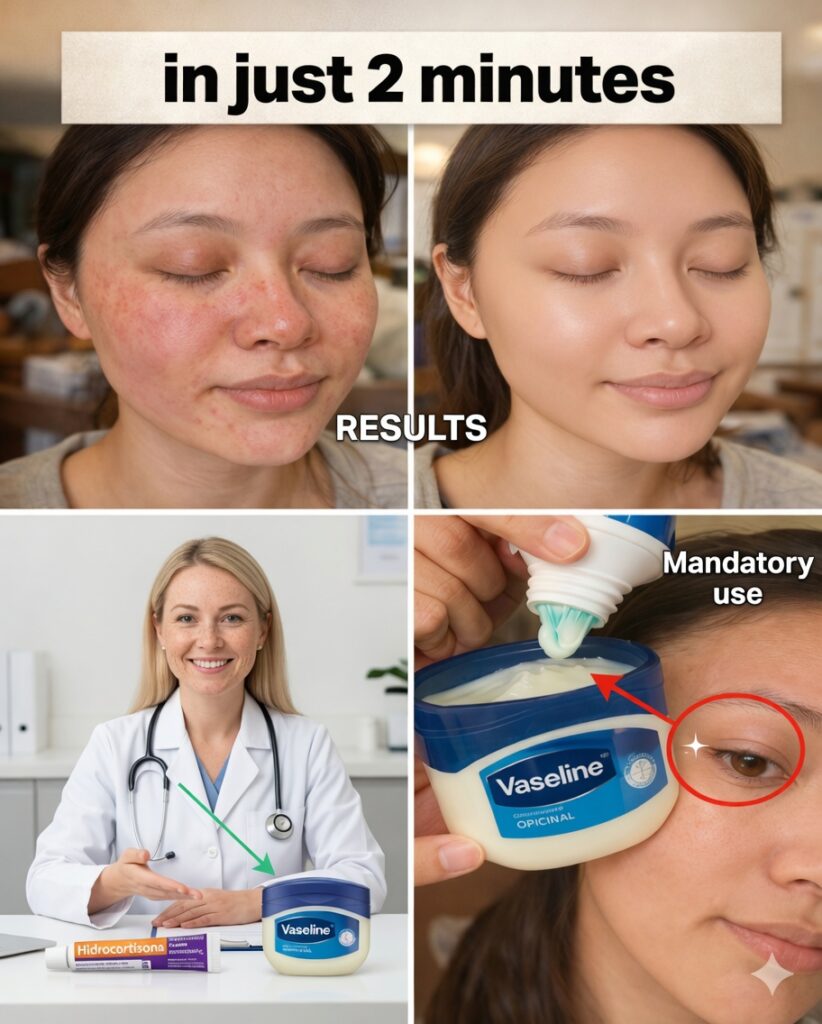
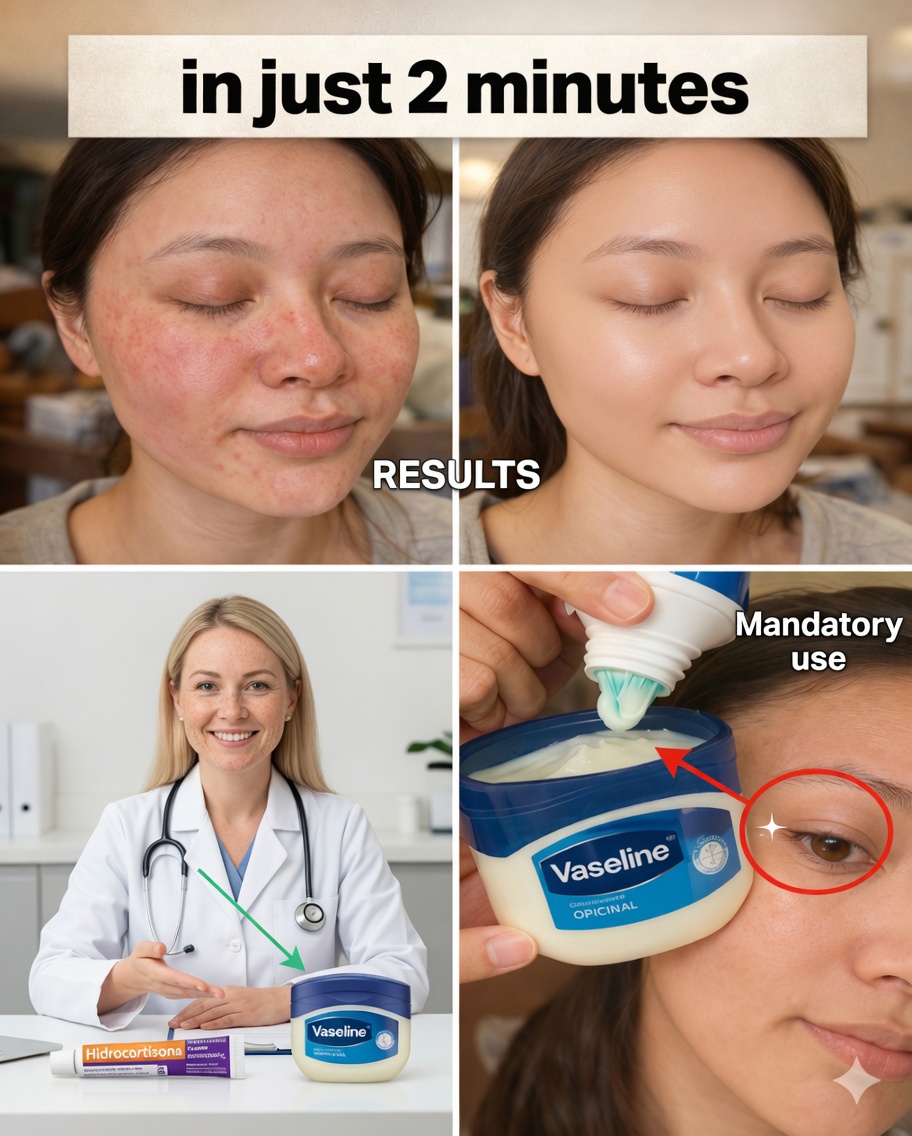
Mixing toothpaste with Vaseline is often promoted online as a quick way to clear pimples, hydrate dry patches, and even brighten the face. The claims sound tempting—especially if you’re dealing with stubborn acne, flaking, or irritated skin and feel like nothing else is working.
But before trying this DIY skincare trend, it’s important to understand what these ingredients actually do, how they interact, and why many experts advise caution. Keep reading for a safer, more effective way to care for your skin—without risky shortcuts.
Why Did This Toothpaste + Vaseline Trend Go Viral?
On social media, you’ll often see people mixing a small amount of toothpaste (commonly Colgate) with Vaseline to make a DIY “face mask.” Most tutorials suggest applying it for 10–15 minutes, then rinsing it off.
The logic behind the trend usually comes down to three ideas:
- Toothpaste contains menthol, which creates a cool, refreshing sensation.
- Some toothpaste ingredients may appear to dry out a pimple temporarily.
- Vaseline (petroleum jelly) forms a barrier that helps the skin hold onto moisture.
At first glance, it seems like a fast, budget-friendly solution. The issue is that toothpaste is formulated for teeth and gums—not facial skin.
What People Expect This Mixture to Do
Supporters of the toothpaste and Vaseline mask typically expect benefits like:
- Fewer pimples: Certain toothpaste components (such as baking soda or drying agents) may reduce the look of oiliness around a blemish.
- More hydration: Vaseline helps prevent water loss by sealing moisture into the skin—useful for very dry areas.
- A soothing feel: Menthol can make skin feel calmer for a few minutes due to its cooling effect.
The key detail: these “results” are often temporary and may come with unwanted side effects.
Hidden Risks Many People Overlook
Dermatologists frequently warn against using toothpaste on the face because it can be too harsh for delicate facial skin. Toothpaste may contain ingredients that disrupt the skin barrier and trigger irritation.
Potential downsides include:
- excessive dryness
- redness
- irritation or burning
- peeling and flaking
- rebound oiliness (skin producing more oil to compensate)
Adding Vaseline can sometimes make things worse. Because it forms a dense occlusive layer, it may trap irritating toothpaste ingredients against the skin, increasing the chance of problems.
This can contribute to:
- clogged pores
- worsening acne
- inflammation and irritation
In other words, what looks like a quick acne remedy could lead to more breakouts and long-term sensitivity.
Safer Alternatives for Acne and Dry Skin
Instead of relying on unproven viral skincare hacks, it’s generally better to choose simple, consistent methods that support your skin barrier.
Gentle hydration
Use a moisturizer designed for facial skin, especially formulas with:
- hyaluronic acid
- ceramides
These help maintain hydration while strengthening the skin’s natural protective barrier.
Targeted acne treatments
For blemishes, look for proven over-the-counter ingredients such as:
- salicylic acid
- benzoyl peroxide
These are formulated specifically for skin and are typically far more effective (and safer) than toothpaste.
Daily sunscreen
Using sunscreen every day helps prevent:
- dark spots and post-acne marks
- redness and irritation
- premature aging
A Simple, Healthy Skincare Routine That Actually Works
If your goal is clearer, calmer skin, try sticking to a basic routine you can maintain:
-
Gentle cleansing
Wash your face twice daily with a mild facial cleanser. -
Spot treatment only where needed
Apply acne products only to pimples or irritated areas, not the entire face. -
Light, suitable moisturizer
Choose a moisturizer that matches your skin type (oily, dry, combination, sensitive). -
Patch test new products
Test on a small area for 24–48 hours before using widely. -
Stay consistent
Real improvements usually take a few weeks of steady care.
Small habits also matter: drink enough water, avoid touching your face, and change your pillowcase weekly.
Why Gentle Skincare Usually Gives Better Results
Your skin is the body’s largest organ and responds best to products created specifically for it. While viral DIY remedies attract attention, the most reliable results typically come from safe routines, skin-friendly formulas, and consistent habits.
When you understand your skin type and protect your skin barrier, you’re more likely to see lasting improvement—without unnecessary risks.
Frequently Asked Questions
Can I use Vaseline on my face?
Sometimes, yes. People with very dry skin may benefit from a thin layer to reduce moisture loss. However, if you have oily or acne-prone skin, use caution—Vaseline can feel heavy and may contribute to clogged pores for some individuals.
Does toothpaste help get rid of pimples?
It may dry a pimple temporarily, but experts generally do not recommend it because it can irritate facial skin and potentially worsen breakouts.
What should I do if a home remedy irritates my skin?
Stop using it immediately. Rinse with cool water and apply a gentle, fragrance-free moisturizer. If irritation continues or becomes severe, seek guidance from a qualified healthcare professional.
Disclaimer: This content is for informational purposes only and does not replace professional medical advice. Always consult a dermatologist or qualified healthcare provider before trying new skincare methods, especially if you have sensitive skin or a diagnosed skin condition.