Early Menopause May Be Starting Sooner Than You Think: Key Signs and Natural Ways to Feel Balanced Again
You wake up in the middle of the night drenched in sweat. Your period is becoming unpredictable. And lately, even simple tasks feel harder to remember, plan, or organize. Many women assume it’s just stress, burnout, or “one of those days.” But what if your body is signaling something more?
For many women, these changes can point to early menopause—a transition that may begin before age 45 and bring surprising shifts in energy, mood, sleep, and everyday confidence. The good news: noticing the signs early can help you understand what’s happening and take natural, health-supportive steps to feel better. Keep reading—one insight near the end may change how you view this phase of life.
What Is Early Menopause—and Why Does It Matter?
Menopause is officially defined as 12 consecutive months without a menstrual period, marking the end of the reproductive cycle. The average age for menopause is around 51.
When menopause occurs before 45, it’s considered early menopause. In less common cases, when it happens before 40, it’s called premature menopause.
This shift occurs when estrogen and progesterone levels start declining earlier than expected. These hormones do much more than regulate fertility—they also influence:
- Brain function and cognition
- Heart health
- Bone density
- Skin and connective tissue
- Metabolism and weight regulation
That’s why recognizing early menopause symptoms sooner can reduce discomfort now and help protect long-term health.
Common Menopause Symptoms to Know
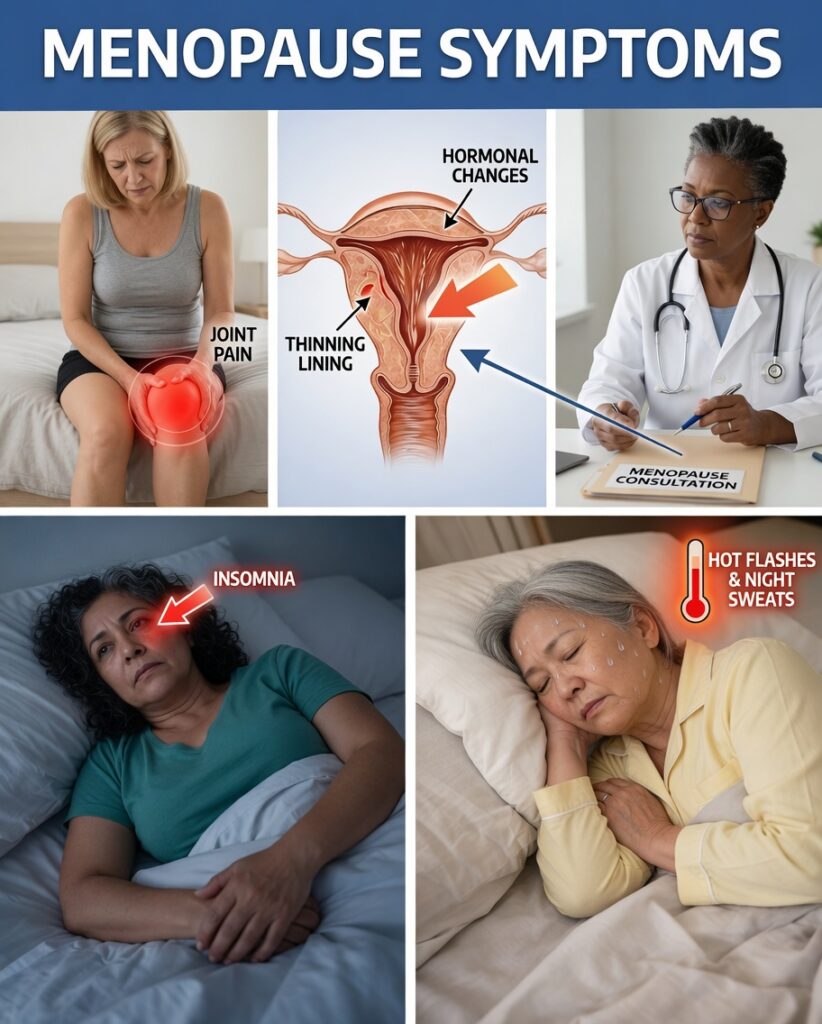
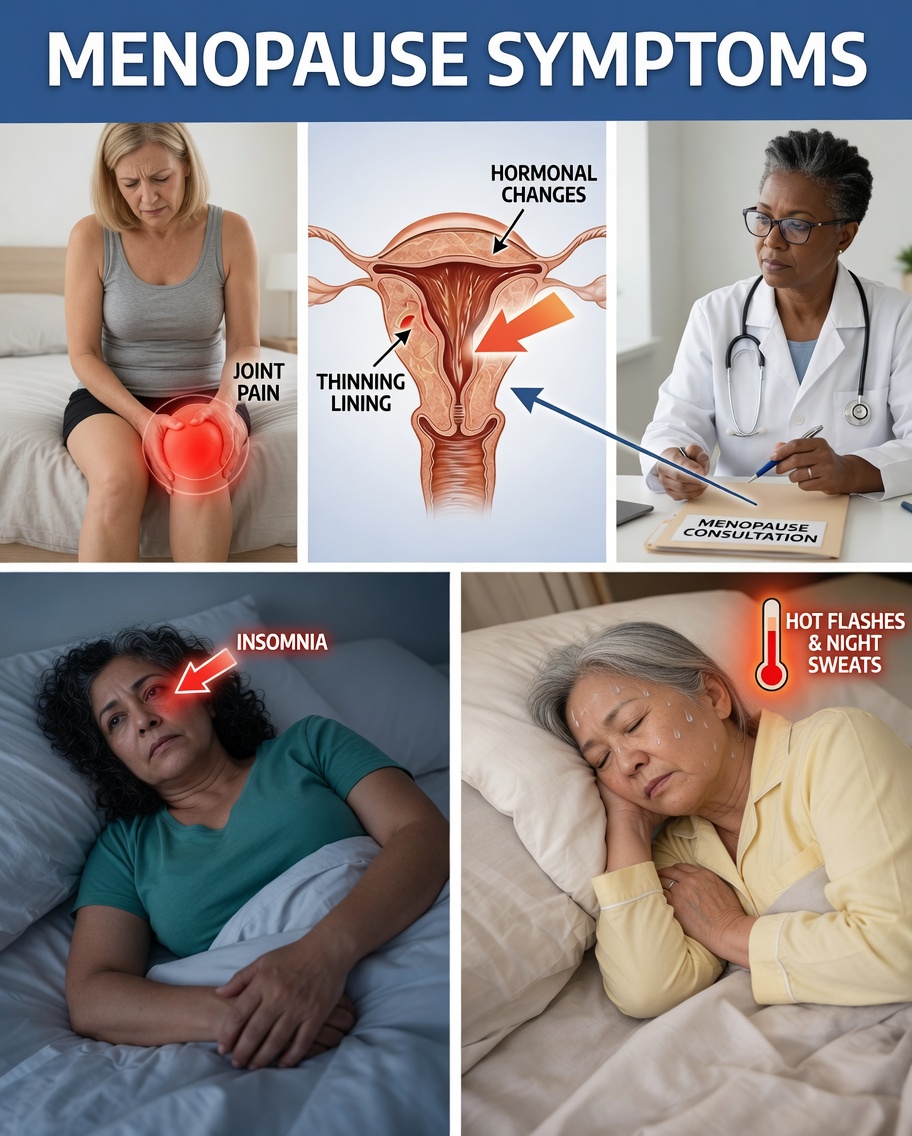
Some symptoms are widely recognized and often show up first during perimenopause (the transition leading up to menopause):
- Irregular periods – shorter or longer cycles, missed periods, or changes in flow
- Hot flashes and night sweats – sudden heat surges often followed by chills
- Vaginal dryness – which may cause discomfort during sex
- Mood changes – irritability, anxiety, or heightened emotional sensitivity
While these are classic menopause signs, early menopause can also involve symptoms that are less talked about—and easier to miss.
10 Less-Known Signs of Early Menopause
Some changes may feel random or unrelated, but many can be traced back to hormonal fluctuations.
-
Brain fog
Trouble focusing, forgetfulness, or a “cloudy” feeling in your thinking. -
Joint pain and stiffness
Achy joints or stiffness that isn’t linked to a clear injury. -
Tingling sensations
Pins-and-needles feelings or small “electric shock” sensations in arms or legs. -
Dizziness or vertigo
Feeling lightheaded, off-balance, or like the room is spinning. -
Changes in body odor or digestion
Hormone-related metabolic shifts may lead to bloating or a different body scent. -
Ringing in the ears (tinnitus)
A persistent or intermittent ringing or buzzing sound. -
Dry eyes or blurry vision
Reduced natural tear production can make eyes feel irritated or vision seem less sharp. -
Burning mouth sensation or metallic taste
Shifts in oral tissues and saliva can cause unusual sensations or taste changes. -
Voice changes
Hoarseness or noticeable changes in vocal tone. -
Sleep problems
Difficulty falling asleep, waking frequently, or waking too early.
Because many of these symptoms share the same root cause (hormonal change), keeping a simple daily log can help you spot patterns over time.
Possible Causes and Risk Factors
Sometimes there’s no single clear cause, but several factors can increase the likelihood of early menopause:
- Family history of early menopause
- Autoimmune conditions
- Genetic factors
- Medical treatments that affect ovarian function
- Metabolic issues or certain infections
If any of these apply to you, paying attention to early menopause warning signs becomes even more important.
What You Can Start Doing Today
Even without a formal diagnosis, small daily adjustments can make a meaningful difference.
-
Track your symptoms
Note changes in your cycle, sleep, mood, energy, and hot flashes. -
Make sleep a priority
Keep your room cool, reduce screens before bedtime, and aim for consistent sleep/wake times. -
Move your body regularly
Walking, yoga, stretching, and strength work can support mood, reduce stiffness, and boost overall well-being. -
Choose anti-inflammatory foods
Focus on leafy greens, omega-3-rich fish, seeds, and steady hydration to support hormonal balance and metabolic health. -
Lower stress levels
Deep breathing, meditation, and intentional downtime can help stabilize mood and improve sleep. -
Seek professional guidance
If symptoms continue or interfere with your life, a qualified healthcare professional can evaluate your situation and discuss options.
Conclusion
Early menopause can feel unexpected and unsettling, but understanding what’s happening gives you real power. By recognizing signs—ranging from hot flashes to lesser-known symptoms like tinnitus or brain fog—you can take action sooner and protect your health.
Many women discover an important truth during this stage: small, consistent lifestyle changes can create major improvements in energy, mood, and day-to-day well-being.
Listening to your body is the first step toward restoring balance and confidence.
Frequently Asked Questions
-
What age is considered early menopause?
Menopause before 45 is considered early. Before 40 is typically classified as premature menopause. -
Can early menopause be reversed?
Early menopause cannot be reversed, but symptoms can often be managed with lifestyle changes and appropriate medical support. -
Should I see a doctor if I suspect early menopause?
Yes—especially if your cycle stops earlier than expected or symptoms are affecting your quality of life.
Disclaimer: This content is for informational purposes only and does not replace professional medical advice. Always consult a qualified healthcare provider for diagnosis and treatment.