Morning Foamy Urine: What It Can Mean and When to Pay Attention
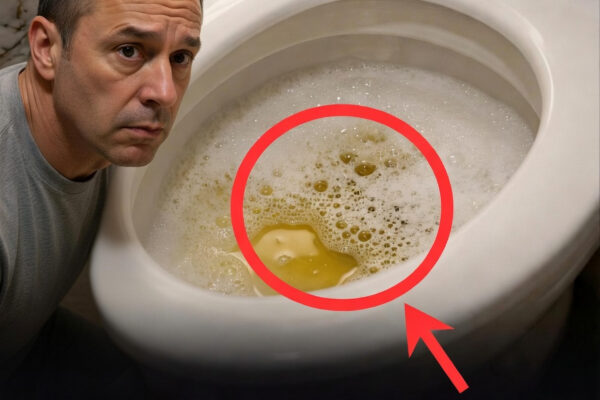
Seeing foamy urine in the toilet first thing in the morning can be unsettling, especially if it happens often. Many people assume it is simply caused by overnight dehydration or a stronger urine stream after holding it for hours. In many cases, that is true. Still, when the foam appears regularly or does not disappear quickly, it can raise questions about kidney health.
Medical experts and research suggest that occasional bubbles are usually harmless. However, urine that stays foamy on a frequent basis may sometimes be linked to increased protein in the urine. That is not something to panic over, but it is a sign worth noticing as part of your overall health awareness.
The encouraging part is that spotting this change early gives you the opportunity to make practical adjustments and stay proactive. Below, you will learn what may cause foamy urine in the morning, when it is likely harmless, when it deserves more attention, and what simple steps you can start taking today.

What Causes Foamy Urine?
Foamy urine refers to bubbles that form and remain in the toilet bowl longer than usual. In everyday situations, this can happen for completely benign reasons.
Common harmless causes include:
- A fast, forceful urine stream hitting the toilet water and creating bubbles
- More concentrated urine after several hours without drinking fluids, especially overnight
- Leftover soap, cleaning agents, or toilet products reacting with urine
There is another possibility to consider when the foam is persistent. Studies show that ongoing, thick, whitish foam may sometimes be associated with excess protein in the urine, a condition called proteinuria. Proteins such as albumin can behave somewhat like soap by reducing surface tension, which helps bubbles form more easily and last longer.
Why Morning Foamy Urine Is More Noticeable
Morning is often when people notice this change most clearly because urine is naturally more concentrated after a night without fluid intake. Since the body has gone hours without water, subtle changes in urine can look more obvious than they do later in the day.
For that reason, many people dismiss it as normal “morning urine.” Often, it is nothing serious. But if the foam keeps showing up, appears dense, or does not fade quickly, it may be worth paying closer attention.
Health authorities note that persistent foamy urine can sometimes be connected to changes in kidney filtration. When the kidneys are under strain, they may allow small amounts of protein to pass into the urine instead of keeping it in the bloodstream. This does not automatically mean there is a major problem, but it is a signal that should not be ignored.
Common Reasons Behind Persistent Foamy Urine
Several lifestyle factors and health conditions can play a role in repeated foamy urine.
Possible contributors include:
- Dehydration: Low fluid intake makes urine more concentrated, which can increase foaming
- Diet and exercise: Heavy protein intake or very intense workouts may temporarily raise protein levels in urine in some individuals
- Medications: Some medicines, including certain blood pressure treatments, can affect how urine looks
- Ongoing health issues: Poorly controlled blood sugar or high blood pressure may gradually affect kidney filtering and lead to urine changes over time
Research suggests that among people who consistently report foamy urine, some do show elevated urine protein on testing, often related to one or more of these factors.

When Should You Be More Concerned?
Not every episode of bubbly urine is a warning sign. Foam that disappears quickly after one flush is usually not a cause for concern. Still, it is wise to take note if you observe patterns such as:
- Foam that remains for several minutes
- Foam that needs multiple flushes to clear
- Foamy urine showing up most mornings or throughout the day
- Other subtle changes, such as puffiness in the hands or feet, unusual fatigue, or changes in how often you urinate
If you notice these signs, it may be helpful to speak with a healthcare professional. Basic tests such as a urine dipstick or an albumin-to-creatinine ratio can check for protein in the urine quickly and accurately.
Practical Steps You Can Start Today
You do not need to wait for a doctor’s visit to support urinary and kidney health. A few simple habits may help improve urine appearance and provide useful clues about what is going on.
Try these steps:
- Increase hydration gradually: Drink water consistently throughout the day, beginning with a glass after waking up
- Track patterns: For one week, note when the foam appears, how long it lasts, and what you ate or drank the night before
- Review your diet: Reduce excess salt and heavily processed foods if they are common in your routine
- Balance protein intake: Include healthy protein sources, but avoid going overboard
- Stay active: Gentle movement such as walking can support circulation and overall kidney wellness
- Watch for related symptoms: Pay attention to swelling, tiredness, or home blood pressure readings if you monitor them
For many people, these adjustments can lead to visible improvements.
Daily Habits That Support Kidney and Urinary Health
Long-term habits matter just as much as short-term fixes. A kidney-friendly routine often includes:
- Eating more fruits and vegetables for hydration and nutrients
- Limiting added sugar
- Being mindful of caffeine if it contributes to dehydration
- Getting enough quality sleep so the body can regulate fluid balance overnight
Research continues to show that steady hydration and balanced nutrition can support healthier kidney filtration over time. The goal is to create habits that feel realistic and sustainable.

What Experts Say About Protein in Urine
Trusted medical sources emphasize that protein in the urine does not always signal a severe condition. Temporary increases can happen during fever, emotional stress, or after intense physical activity. However, if the issue continues, further evaluation is recommended.
That is why simply noticing your body’s signals can be valuable. Early awareness often leads to earlier action and better health choices.
Final Thoughts
Foamy urine in the morning is not always a reason to worry, but it should not be ignored if it becomes a pattern. Sometimes it is related to simple causes such as concentrated urine or a stronger flow. In other cases, it may reflect changes that deserve closer attention.
By staying hydrated, observing patterns, and seeking medical advice when needed, you can take smart and practical steps to support your urinary and kidney health.
Frequently Asked Questions
Is foamy urine in the morning always a problem?
No. Urine is often more concentrated in the morning, so temporary bubbles are common. It becomes more important to investigate when the foam is frequent or long-lasting.
Can drinking more water reduce foamy urine?
Often, yes. If dehydration is contributing to the problem, better hydration may dilute the urine and reduce foaming. If the issue continues even with good fluid intake, a medical check is a good idea.
How do doctors test for protein in urine?
Doctors usually use a simple urine test, such as a dipstick test or a spot urine sample that measures the albumin-to-creatinine ratio. These tests are quick, straightforward, and noninvasive.