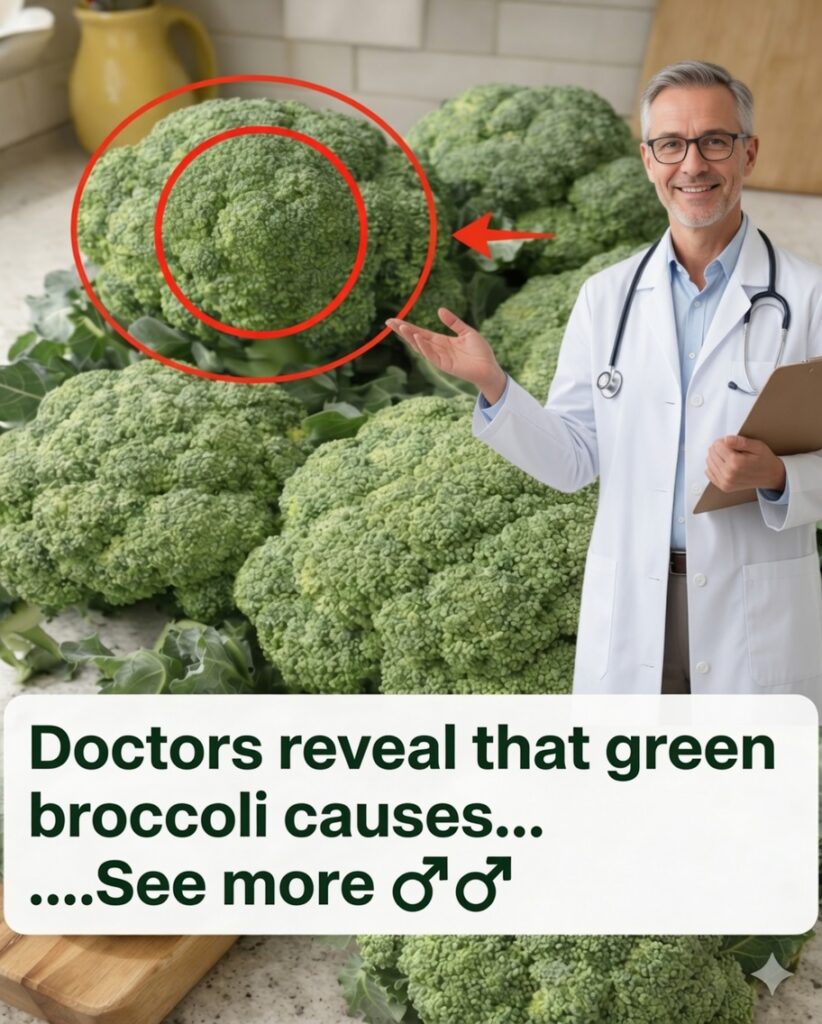
Broccoli: A Natural Immune-Boosting Secret on Your Plate
One of the simplest ways to support your immune system might already be in your kitchen—broccoli.
Recently, viral social media headlines like “Doctors reveal that green broccoli causes…” have made many people second-guess even the healthiest foods. You may have seen dramatic posts hinting that broccoli is “dangerous,” linking it to thyroid issues or other unexpected health problems. With so much conflicting nutrition advice online, it’s easy for doubt to creep in—especially when fear-based content makes ordinary foods sound threatening.
The reassuring truth is far less dramatic—and actually encouraging.
What often gets missed is that these claims usually take small scientific details out of context and turn them into alarming sound bites. Keep reading to understand why broccoli remains one of the most researched, nutrient-dense vegetables, and how to enjoy it safely and confidently.
Where the Fear About Broccoli Comes From
Social media is built for attention, and posts that begin with “Doctors reveal…” frequently imply hidden health risks—most commonly related to the thyroid. The discussion usually centers on goitrogens, natural compounds found in cruciferous vegetables such as broccoli, kale, cabbage, and cauliflower.
In very specific circumstances, goitrogens can slightly affect how the thyroid uses iodine—but this is not the everyday scenario most people are in.
Research suggests these effects are mainly seen under extreme conditions, such as:
- Eating very large amounts of raw broccoli every day
- Having an existing thyroid disorder
- Being iodine-deficient
For the vast majority of people eating normal servings as part of a varied diet, broccoli does not meaningfully disrupt thyroid function.
The Real Science Behind Broccoli’s Benefits
Broccoli is a cruciferous vegetable packed with valuable nutrients, including:
- Fiber
- Vitamin C
- Vitamin K
- Folate
- Protective plant compounds (phytonutrients)
One of broccoli’s most studied compounds is sulforaphane, which forms when broccoli is chopped, chewed, or crushed. Sulforaphane has been linked in scientific research to several helpful effects, such as:
- Supporting the body’s natural detoxification pathways
- Helping reduce oxidative stress
- Potentially contributing to long-term protection against chronic disease risk factors
Large population studies also associate regular intake of cruciferous vegetables with better overall health outcomes, including lower rates of certain inflammatory and digestive concerns.
Myths vs. Evidence: What’s True (and What’s Overhyped)
-
Myth: Broccoli is bad for the thyroid.
Evidence: Only excessive intake of raw cruciferous vegetables may slightly interfere with iodine use, mainly in iodine-deficient or thyroid-compromised individuals. Cooking greatly reduces this potential effect. -
Myth: Broccoli “damages digestion.”
Evidence: Like many high-fiber vegetables, broccoli can cause gas or bloating if eaten in large amounts or introduced too quickly. Gradual increases usually help. -
Myth: Broccoli causes serious diseases.
Evidence: There is no solid evidence that broccoli causes severe illness in healthy people. Most research points toward benefits, not harm.
Why Broccoli Earns Its “Superfood” Reputation
In a typical serving—about 1 cup of cooked broccoli—you’ll get a strong nutritional return, including:
- Vitamin C to support immune function
- Vitamin K for bone health and normal blood clotting
- Fiber to support digestion and gut health
- Folate to support healthy cell function
Broccoli is also naturally low in calories while being rich in micronutrients, making it an easy addition to many eating styles.
How to Eat Broccoli Safely (and Get the Most Nutrition)
Use these practical strategies to maximize benefits while keeping digestion comfortable:
- Cook it lightly: steaming, sautéing, or roasting for about 3–5 minutes helps preserve nutrients
- Chop, then wait: let cut broccoli sit for 10–15 minutes before cooking to support sulforaphane formation
- Start small: if you’re not used to cruciferous vegetables, begin with smaller servings and increase gradually
- Aim for dietary balance: a varied diet helps cover nutrient needs without overdoing any single food
- Rotate your veggies: alternate broccoli with cauliflower, kale, cabbage, and others
Simple Roasted Broccoli Recipe
Toss broccoli with olive oil, garlic, salt, and black pepper. Roast at 220°C (428°F) for 20–25 minutes until golden and crisp at the edges.
Conclusion: Broccoli Is a Friend, Not a Hidden Enemy
The viral fear is just that—fear driven by out-of-context information. Broccoli isn’t a secret villain. When eaten in reasonable portions and prepared well, it’s a safe, nutrient-rich food that can support overall health.
Adding broccoli to a balanced diet can be a smart, simple step toward better nutrition.
Frequently Asked Questions (FAQ)
-
Is broccoli bad for the thyroid?
Not for most people. Any potential thyroid impact is typically limited to extreme raw intake combined with iodine deficiency or existing thyroid issues. -
Can eating too much broccoli cause problems?
Very large amounts may lead to temporary digestive discomfort like gas or bloating. Moderation and gradual increases work best. -
Does broccoli prevent disease?
Studies suggest protective benefits, but broccoli isn’t a cure. It’s most effective as part of a healthy lifestyle.
Disclaimer: This content is for informational purposes only and does not replace medical advice. If you have a medical condition or individual concerns, consult a qualified healthcare professional.