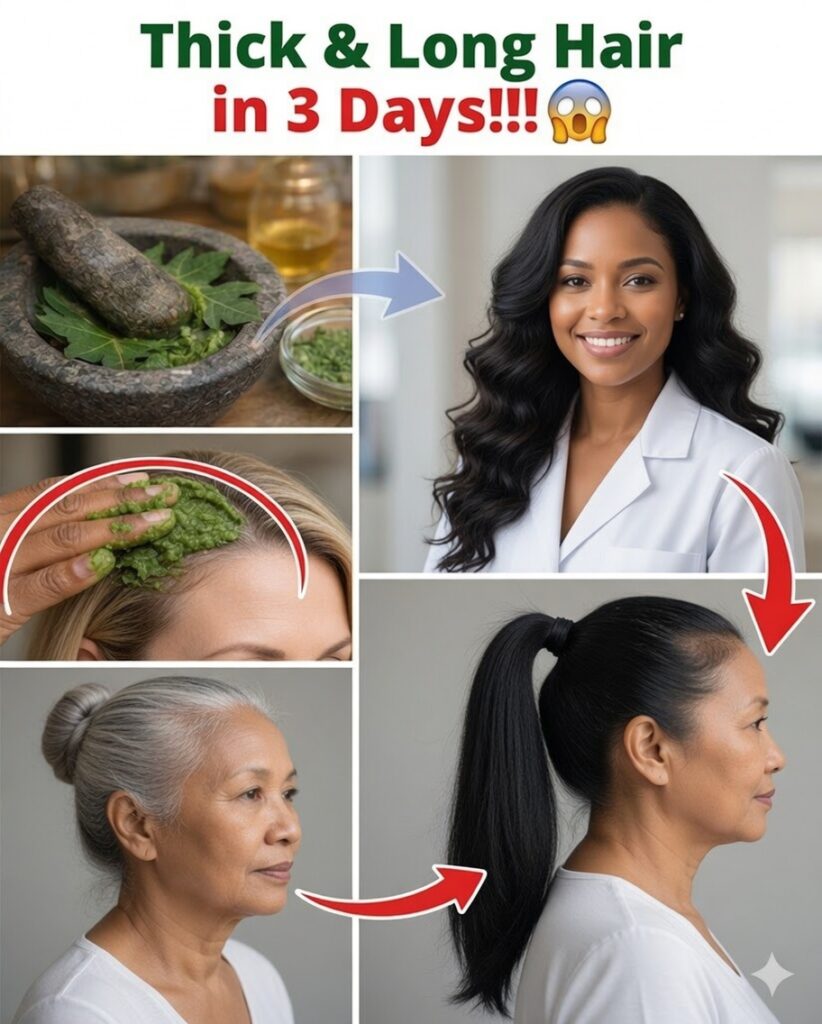
Stop Hair Fall Naturally: How Papaya Leaves May Strengthen Hair from the Roots
Have you ever felt discouraged by hair shedding, stubborn dandruff, or strands that look dry and lifeless—even after trying countless products? In many cases, these concerns start at the scalp. Irritation, excess oil, and environmental exposure can gradually weaken hair and disrupt scalp balance.
What if a simple, natural, budget-friendly option could support healthier hair care at the source? Keep reading—you may discover that a powerful scalp treatment has been closer than you think.
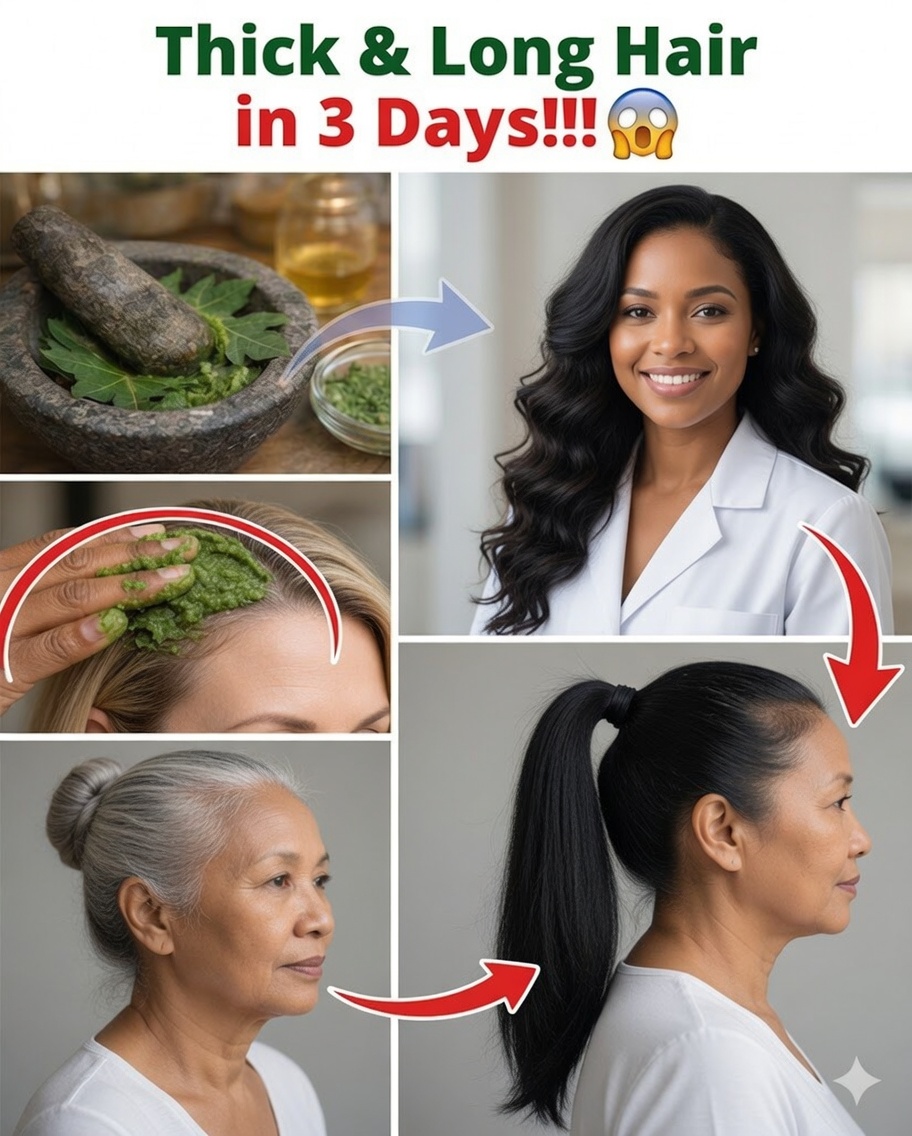
What Makes Papaya Leaves So Special?
Papaya leaves (Carica papaya) have been used for generations in traditional beauty routines. They contain vitamins A, C, and E, along with antioxidants and natural enzymes such as papain—nutrients often associated with scalp nourishment and hair fiber support.
These compounds may help reduce oxidative stress, which is commonly linked to weakened hair over time. Early lab research also suggests papaya leaf extracts may have antifungal properties, which could support a cleaner, more balanced scalp environment.
Potential Benefits of a Papaya Leaf Hair Mask
While human clinical research is still limited, traditional use and preliminary findings point to several possible advantages:
-
Helps reduce dandruff
- Antifungal activity may help manage microorganisms often associated with scalp flaking.
-
Supports healthier follicles
- Vitamins and antioxidants may help create a more favorable scalp environment for hair growth.
-
Improves softness and shine
- Natural enzymes may help smooth the hair cuticle, making strands appear glossier.
-
Balances excess oil
- Gently cleanses the scalp without stripping away natural moisture.
-
May strengthen hair
- Antioxidants can help defend against everyday stressors like sun exposure, pollution, and external damage.
How to Make a Papaya Leaf Mask at Home
Before applying to your scalp, patch test on a small area of skin to check for irritation.
Ingredients
- 8–10 fresh papaya leaves
- 1/4 cup water (or aloe vera gel)
- Optional: 1 tablespoon coconut oil or honey
Step-by-step instructions
- Rinse the papaya leaves thoroughly.
- Blend the leaves with water (or aloe vera gel) until you get a smooth paste.
- Stir in coconut oil or honey if you want extra conditioning.
- Apply the mixture directly to the scalp and massage gently.
- Spread the remaining mask through the mid-lengths and ends.
- Leave it on for 30–45 minutes.
- Rinse well and wash with a mild shampoo.
How often to use: 1–2 times per week.
Practical Tips for Better Results
- Choose fresh leaves whenever possible.
- Minimize daily use of harsh shampoos or heavy styling products.
- Stay consistent for at least 4 weeks before judging results.
- Support hair health from within with a balanced, nutrient-rich diet.
If shedding, irritation, or dandruff continues, consult a dermatologist for proper evaluation.
Conclusion
A papaya leaf scalp mask is a simple, natural, and low-cost option for hair and scalp care. Although science is still exploring its full potential, many people report improvements in scalp comfort, hair texture, and shine.
Try it and pay attention to how your scalp and hair respond—you may find a gentle routine that fits easily into your self-care habits.
Frequently Asked Questions
-
How often should I use a papaya leaf hair mask?
Using it 1–2 times per week is typically enough. -
Does it make hair grow faster?
It may help indirectly by improving scalp health, but it’s not a guaranteed hair-growth cure. -
Are there any side effects?
It’s generally considered safe, but some people may experience irritation. Always do a patch test first.
Disclaimer: This content is for informational purposes only and does not replace medical advice. Speak with a healthcare professional before starting any natural treatment. Results may vary.