Foods That May Increase the Risk of Kidney Stones
Kidney stones can cause severe pain and interfere with everyday routines, which is why many people start questioning whether common foods could be contributing to the problem. In many recurring cases, the issue is linked to eating habits that raise substances such as oxalate, sodium, or uric acid in the urine. Research from organizations like the National Institute of Diabetes and Digestive and Kidney Diseases (NIDDK) shows that these factors may gradually increase the likelihood of stone formation. The good news is that once you know the most common dietary triggers, it becomes much easier to make simple choices that support kidney health. And before we finish, we’ll cover practical steps you can start using right away.
How Diet Affects Kidney Stone Formation
Kidney stones develop when minerals and waste compounds in the urine become too concentrated and begin to form crystals. The most frequent type is the calcium oxalate stone, created when calcium combines with oxalate, a naturally occurring substance found in many plant foods. Another common type is the uric acid stone, which is more often associated with dehydration or diets high in purines.
What you eat can influence the chemical balance of your urine. A diet high in salt may cause the body to release more calcium into the urine. Eating too much animal protein can raise uric acid levels and lower citrate, which normally helps prevent stones from forming. Foods rich in oxalate may also increase risk in people prone to calcium oxalate stones. No single food automatically causes kidney stones, but long-term dietary patterns can make a real difference.

Common Foods Associated With Higher Kidney Stone Risk
Health authorities such as the National Kidney Foundation and Mayo Clinic point to several food groups that may increase risk when eaten too often. In most cases, moderation matters more than complete avoidance.
1. Foods High in Oxalate
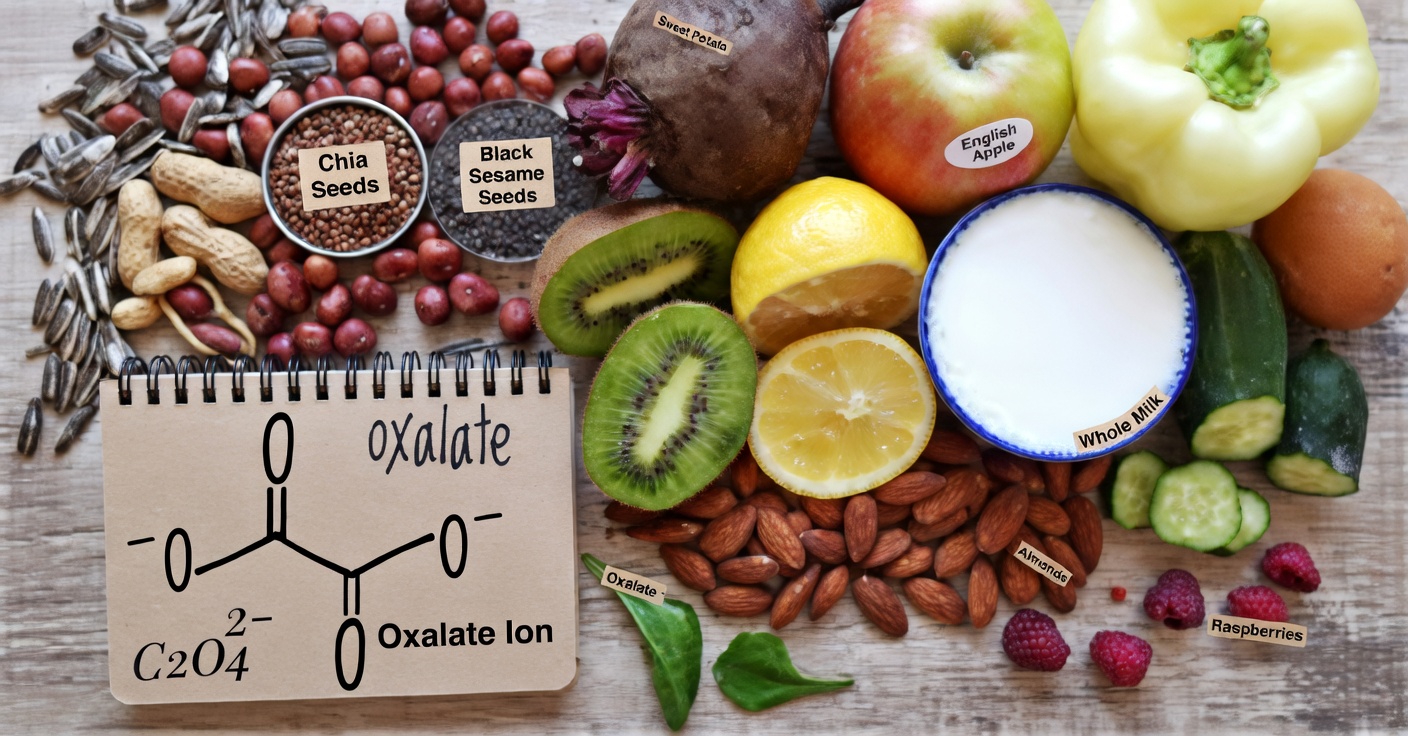
Certain plant foods naturally contain larger amounts of oxalate. For people vulnerable to calcium oxalate stones, regularly eating large portions may increase the burden.
Examples include:
- Spinach
- Swiss chard
- Rhubarb
- Beets
- Almonds
- Cashews
- Peanuts
- Chocolate
- Cocoa-based foods
- Sweet potatoes
- Black tea
Peanuts are a good example of a food that can quietly add up in the diet because they are common in snacks, spreads, and packaged products.
2. Foods High in Sodium
Too much sodium can cause the kidneys to send more calcium into the urine, which may increase the chance of stone formation.
Common high-sodium foods include:
- Processed meals
- Canned foods
- Fast food
- Restaurant dishes
- Chips and salty snack foods
- Packaged soups
- Sauces and condiments
Because many people consume more sodium than recommended, this is one of the most common dietary concerns.
3. Foods Rich in Animal Protein
Large amounts of animal protein may raise uric acid, alter urine acidity, and reduce protective compounds in the urine. This can encourage both uric acid stones and some calcium-based stones.
Examples include:
- Beef
- Pork
- Poultry
- Organ meats
- Eggs
- Fish
- Shellfish
- Large servings of cheese and other dairy products
Research suggests that keeping portion sizes moderate may help reduce these effects.
4. Refined Sugar and Sugary Drinks
Sugary foods and beverages may also contribute indirectly. They can affect uric acid levels and may replace healthier hydration habits, especially when soda is consumed instead of water.
Foods to Limit and Better Alternatives
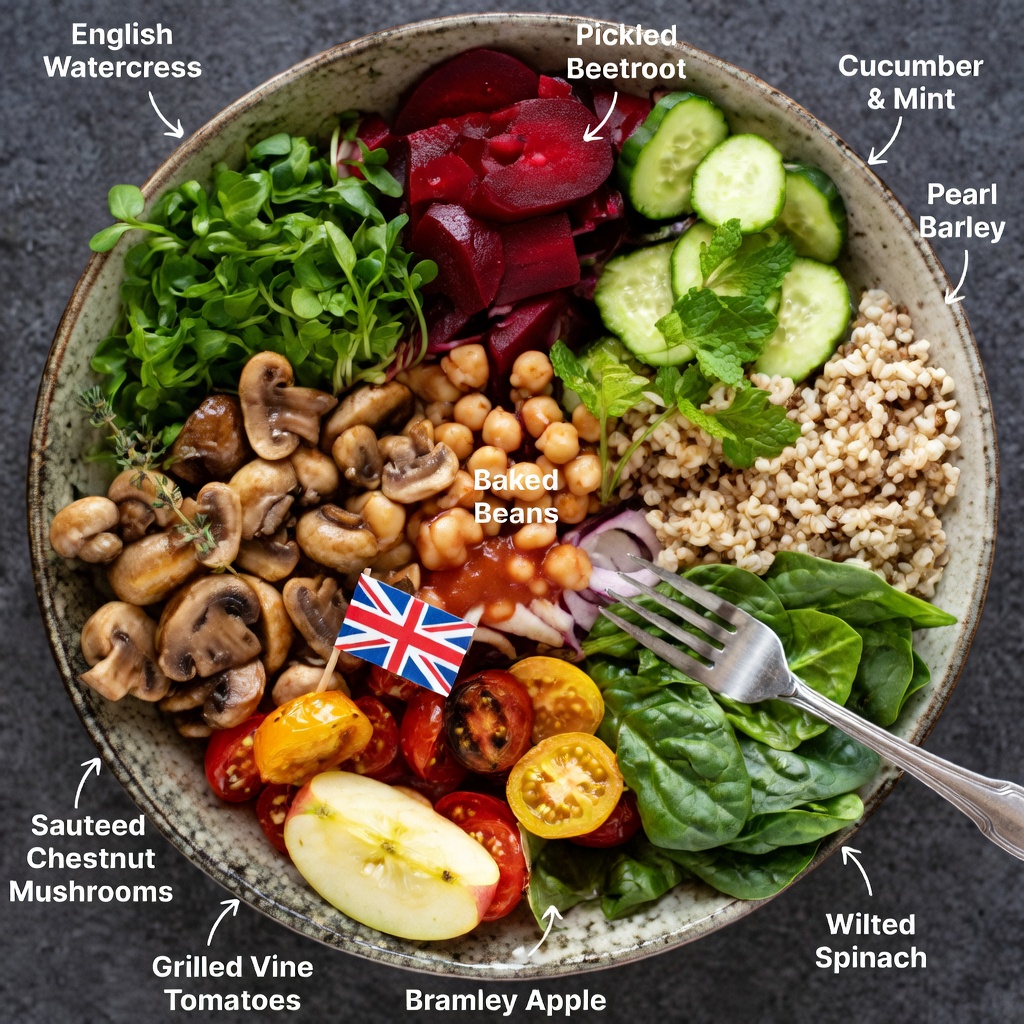
Below is a quick comparison of foods that may be worth moderating and some options that are often considered more kidney-friendly.
| Category | Foods to Moderate | Better Options to Try |
|---|---|---|
| Oxalate-rich foods | Spinach, rhubarb, peanuts, chocolate | Apples, pears, cauliflower, white rice |
| High-sodium choices | Canned soup, fast food, chips | Fresh herbs, homemade meals, lightly salted or unsalted snacks |
| Animal protein | Red meat, organ meats, too many eggs | Beans, lentils, tofu, smaller portions of fish |
| Drinks | Sugary soda, too much black tea | Water, lemon water, herbal teas |
These swaps can make meals more balanced without feeling overly restrictive.
Simple Steps to Support Better Kidney Health
You do not need a perfect diet to lower your risk. Small, steady changes are often the most effective.
Drink More Fluids
Aim for about 2 to 3 liters of water per day, or more if you exercise or live in a hot climate. When urine is pale or light-colored, hydration is usually on track. Concentrated urine increases the chance of crystals forming.
Keep Protein Portions Reasonable
For animal protein, a practical goal is around 4 to 6 ounces per meal. Pairing protein with vegetables and whole grains can help create a more balanced plate.
Reduce Salt Gradually
Try to stay below 2,300 mg of sodium per day. Reading nutrition labels can help. Instead of relying on salt, use flavor boosters like:
- Lemon juice
- Garlic
- Pepper
- Fresh herbs
- Spices
Get Calcium From Food
Dietary calcium can actually be helpful because it binds with oxalate in the digestive tract before oxalate reaches the urine. Good options include:
- Low-fat dairy
- Fortified plant-based alternatives
- Calcium-rich foods eaten with meals
In many cases, food sources are preferred over supplements unless a healthcare provider advises otherwise.
Be Smart About Oxalate Intake
If you have a history of calcium oxalate stones, avoid eating very large portions of high-oxalate foods all at once. Spreading them out across the week may be more manageable. Boiling vegetables like spinach can also slightly lower oxalate content.
Add More Citrus
Citrus fruits and juices, especially lemon and orange, provide citrate, which may help prevent crystal formation. A simple way to benefit is to add lemon to your water.
Why Long-Term Awareness Makes a Difference
Understanding how food affects kidney stone risk allows you to enjoy meals more thoughtfully rather than fearfully. Many people lower their chances of recurrence by focusing on hydration, balanced nutrition, and portion control. Since stone risk can vary based on the exact type of stone and your medical background, it is always wise to speak with a healthcare professional or registered dietitian for personalized advice.
FAQ
Which type of kidney stone is most affected by diet?
Calcium oxalate stones are the most common and are often influenced by oxalate intake, sodium, and protein consumption. Uric acid stones are more strongly linked to dehydration and high intake of animal protein.
Can I still eat nuts if I enjoy them?
Yes, but moderation is important. Lower-oxalate choices such as walnuts or pecans may be better options from time to time. Eating them alongside calcium-containing foods may also help reduce oxalate absorption.
How much water should I drink to help prevent kidney stones?
Most experts recommend drinking enough fluids to produce at least 2 liters of urine per day. For many adults, that means roughly 8 to 12 cups of fluids daily, mainly from water. You may need more in hot weather or after exercise.