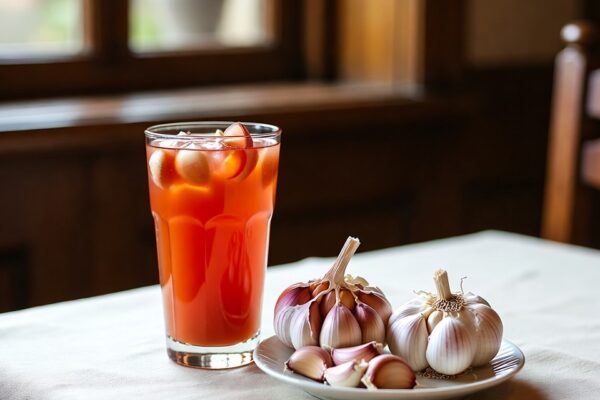
A Simple Herbal Infusion for Daily Wellness: Cinnamon, Cloves, Garlic, Ginger, Lemon, and Onion
Many people seek gentle, natural ways to support everyday wellness, especially during seasonal shifts when staying comfortable can feel more challenging. Occasional sniffles, low energy, or simply wanting to care for your body’s natural defenses can make busy days feel even harder. That is why a traditional blend of common kitchen ingredients—cinnamon, cloves, garlic, ginger, lemon, and onion—has become popular in home remedy traditions.
With just a 15-minute simmer, this warming drink can easily fit into a morning or evening routine. Below, we look at why these ingredients are often combined, what general research says about their individual qualities, and how to make this herbal infusion safely at home. At the end, you will also find a simple tip that can make the flavor even more enjoyable.
Why These Ingredients Are Common in Traditional Wellness Drinks
Across many cultures, warm drinks made from spices, roots, and produce have long been part of home comfort routines. This particular combination stands out because each ingredient contributes its own flavor, aroma, and traditional appeal.
- Cinnamon offers a naturally sweet, warming scent and contains compounds such as cinnamaldehyde.
- Cloves bring a bold, distinctive aroma and are known for their natural eugenol content.
- Garlic is valued in cuisines worldwide and contains sulfur-based compounds like allicin.
- Ginger adds heat and freshness, along with bioactive components such as gingerol.
- Lemon brightens the mixture with citrus flavor and supplies vitamin C.
- Onion deepens the taste and contains sulfur compounds similar to those found in garlic.
When these ingredients are gently boiled together, they create a fragrant, warming infusion that many people enjoy as a soothing beverage.
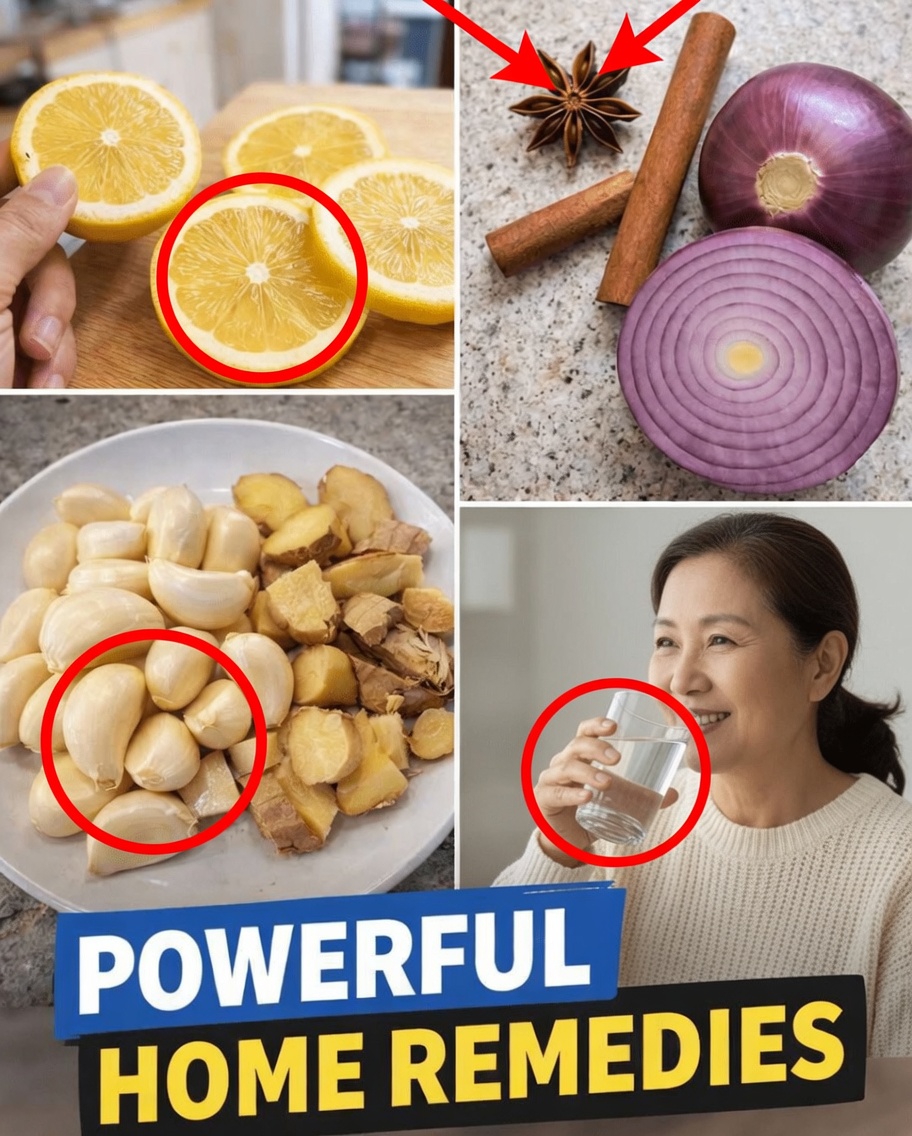
What Research Suggests About the Individual Ingredients
Scientific interest has focused more on these foods individually than on this exact recipe. Even so, each ingredient has been studied for possible health-supporting properties.
Garlic
Garlic has been widely researched for its antimicrobial and immune-supportive potential. Some studies, including work on aged garlic extract, suggest it may help support normal immune function and influence certain immune cell responses.
Ginger
Ginger is often associated with digestive comfort and has been studied for its anti-inflammatory compounds. It is commonly used to ease occasional stomach discomfort and support overall digestive balance.
Lemon
Lemon is a natural source of vitamin C, an essential nutrient that contributes to normal immune function. It also adds freshness and makes the drink more pleasant to sip.
Onion
Like garlic, onion belongs to the Allium family and provides sulfur compounds. Research on Allium vegetables often points to their antioxidant potential and value in a balanced diet.
Cinnamon and Cloves
Both cinnamon and cloves contain plant antioxidants. Some limited studies have explored their possible roles in inflammation and metabolic health, although findings are still developing.
Taken together, these ingredients create a rich sensory experience. While direct evidence on the full blend is limited, their individual nutritional and aromatic qualities explain why this drink remains popular.
How to Make This Herbal Infusion at Home
Preparing this drink is simple and requires only basic kitchen items. Here is an easy method for a mild, beginner-friendly version.
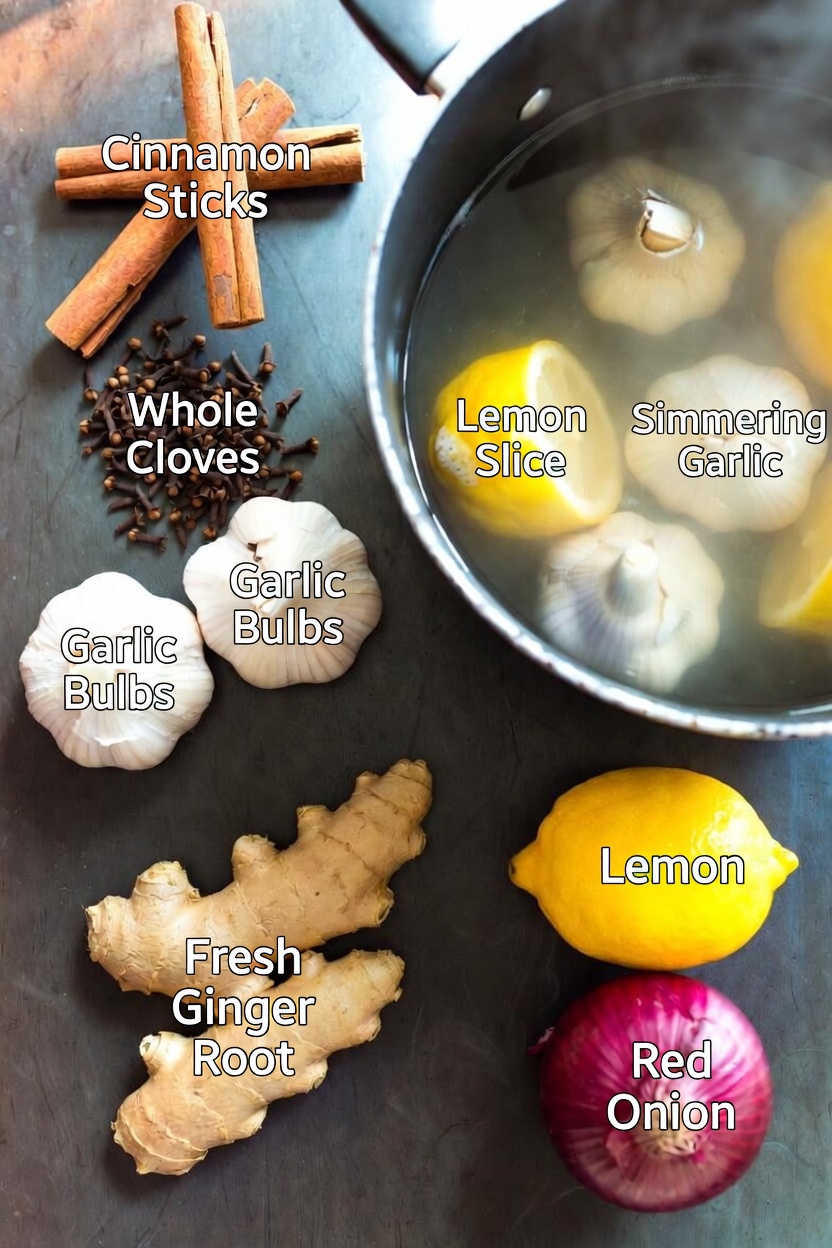
Ingredients
- 1 cinnamon stick
- 4 to 5 whole cloves
- 2 to 3 garlic cloves, lightly crushed
- 1 thumb-sized piece of fresh ginger, sliced
- 1 lemon, sliced with the peel
- 1/2 medium onion, chopped
- 4 to 5 cups (about 1 liter) of water
Method
- Wash all ingredients well under running water.
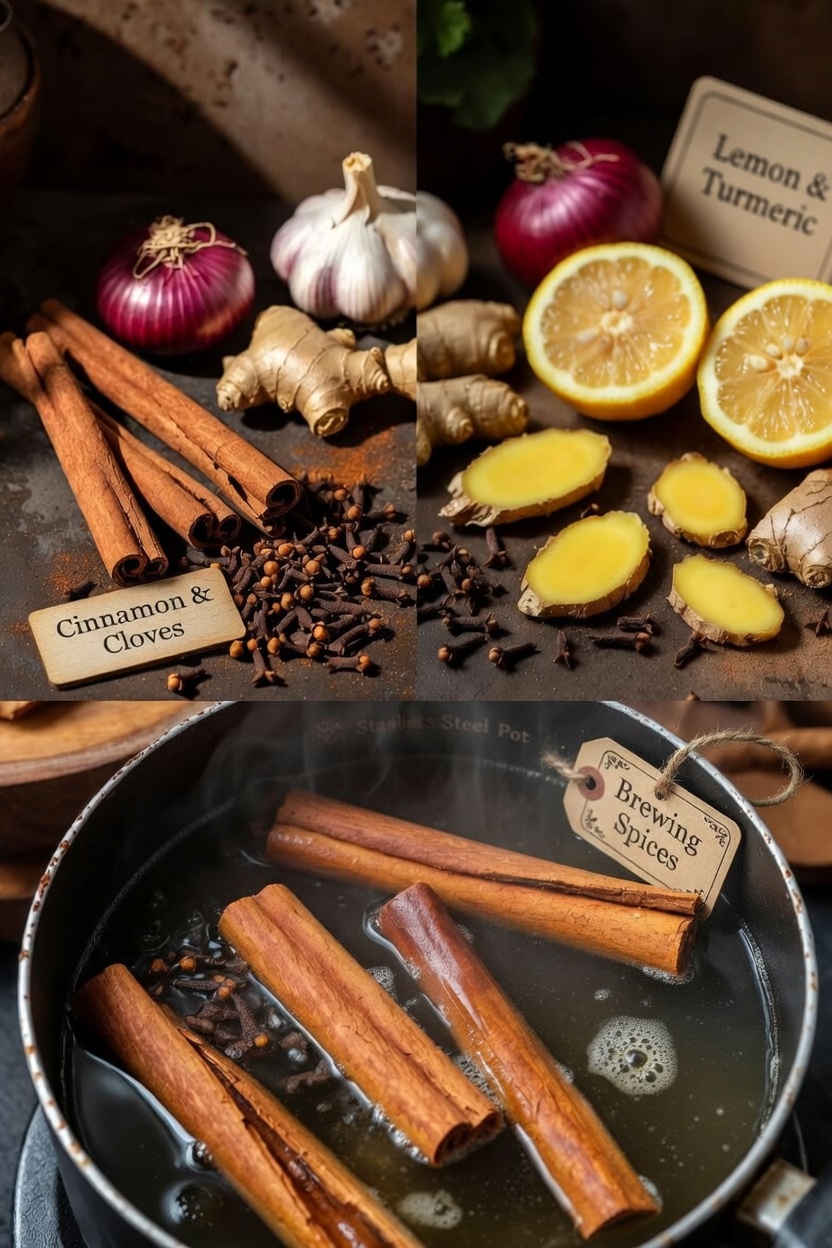
- Add everything to a pot with the water.
- Bring the mixture to a gentle boil.
- Lower the heat and let it simmer for 15 minutes.
- Remove from heat and allow it to cool slightly.
- Strain the liquid into a cup, mug, or glass jar.
- Drink it warm.
Optional Addition
- Stir in 1 teaspoon of honey after the drink has cooled slightly if you want a touch of sweetness. Avoid boiling the honey.
For most people, starting with 1 cup per day is a reasonable approach, either in the morning or later in the evening.
Why People Enjoy This Blend in Everyday Life
No single drink can completely transform health, but drinks made from nutrient-rich ingredients can still be a useful part of a balanced routine. People are often drawn to this infusion for several practical reasons.
Commonly Appreciated Benefits
- Warmth and comfort: A hot cup can feel especially soothing on cool days.
- Antioxidant support: Several ingredients in the blend provide plant compounds that help counter everyday oxidative stress.
- Digestive ease: Ginger and cloves are traditionally linked to stomach comfort, especially after meals.
- Immune-friendly nutrition: Lemon adds vitamin C, while garlic and onion contribute sulfur-containing compounds.
- Mindful ritual: Preparing and sipping a warm drink can create a calming pause in a busy day.
Why This Recipe Appeals to So Many People
- It is a caffeine-free alternative to tea or coffee
- The ingredients are budget-friendly and easy to find
- It fills the kitchen with a pleasant aroma
- It can make hydration more enjoyable
- It fits well into morning or bedtime routines
Tips for Safe and Comfortable Use
If you are new to strong herbal drinks, begin with a small amount. Garlic and onion can taste intense after boiling, especially for sensitive palates.
Keep these tips in mind:
- If citrus or spices tend to bother you, try making the drink weaker by adding more water.
- Use the freshest ingredients possible for the best flavor and experience.
- Store leftovers in the refrigerator for up to 2 days.
- Reheat gently without bringing it back to a full boil.
- If you have acid reflux, spice sensitivity, or take medications, check with a healthcare professional before using it regularly.
This infusion is best viewed as a comforting addition to a healthy lifestyle, not a replacement for nutritious meals or professional care.
What Science Says About Similar Herbal Combinations
Research on ingredients such as garlic and ginger suggests they may offer anti-inflammatory and immune-supportive effects in laboratory research and small human studies. Garlic compounds may influence certain immune markers, while ginger is frequently linked to digestive support and physical comfort. Lemon contributes vitamin C, which remains important for daily wellness.
Still, it is important to stay realistic. Strong health claims often go beyond the evidence. In most cases, the value of these foods comes from being part of a consistent, nutrient-rich diet rather than acting as a quick fix on their own.
One study involving garlic supplements reported reduced cold severity in some participants, but outcomes can vary. The bigger picture remains the same: healthy habits matter more than any single recipe.
Quick Ingredient Highlights
- Garlic and onion: sulfur compounds linked to antioxidant activity
- Ginger: gingerol and warming digestive support
- Lemon: a natural source of vitamin C
- Cinnamon and cloves: aromatic spices with antioxidant content
A Cozy Drink to Add to Your Routine
This infusion of cinnamon, cloves, garlic, ginger, lemon, and onion is a simple way to make use of familiar kitchen ingredients. Whether you enjoy it for the steam, the flavor, the ritual, or the nutritional value of its components, it can become a small but comforting part of your day.
A final tip that many people overlook: after straining, try adding a small pinch of black pepper. Even a tiny amount can round out the spice profile and give the drink a more layered taste.
FAQ
How often can I drink this herbal infusion?
Many people choose to have 1 cup per day. Start slowly and pay attention to how your body responds. It works best as part of a varied, balanced diet.
Can I make it ahead of time?
Yes. You can prepare a batch in advance, strain it, and keep it in the refrigerator for 1 to 2 days. Warm it gently before drinking.
Is this drink right for everyone?
It is generally suitable for most people, but anyone with spice sensitivity, acid reflux, digestive concerns, or medication use should speak with a healthcare provider first.