White Spots on Your Skin? The Hidden Causes—and One Simple Habit That Can Help Restore an Even Tone
Noticing white spots or lighter patches on your skin can be unsettling—especially when they appear on sun-exposed areas like the arms, face, shoulders, or back. These marks can affect confidence because they’re often hard to cover and don’t typically fade with standard moisturizers or over-the-counter creams.
Ignoring them isn’t always the best choice. While many cases are harmless, lighter areas on the skin can sometimes signal underlying issues such as fungal overgrowth, inflammation, or long-term sun damage. The reassuring part: once you understand the most common causes, it becomes much easier to decide what to do next.
Why Do White Spots Appear So Quietly?
As the years go by—especially after age 40—skin naturally changes. Many people develop small pale spots that appear gradually, often becoming more noticeable after sun exposure. Although these changes are common, they’re not always something to dismiss, since similar-looking spots can come from different conditions that require different approaches.
Common Causes of White Spots and Lighter Patches on Skin
1. Tinea Versicolor (Pityriasis Versicolor) — A Frequent Fungal Cause
If you notice light patches on the chest, shoulders, or back, sometimes with mild itching or fine scaling, a common explanation is tinea versicolor. This occurs when a naturally present skin yeast grows out of balance and interferes with melanin production, leading to uneven pigmentation. With proper hygiene and professional guidance, skin tone often improves over time.
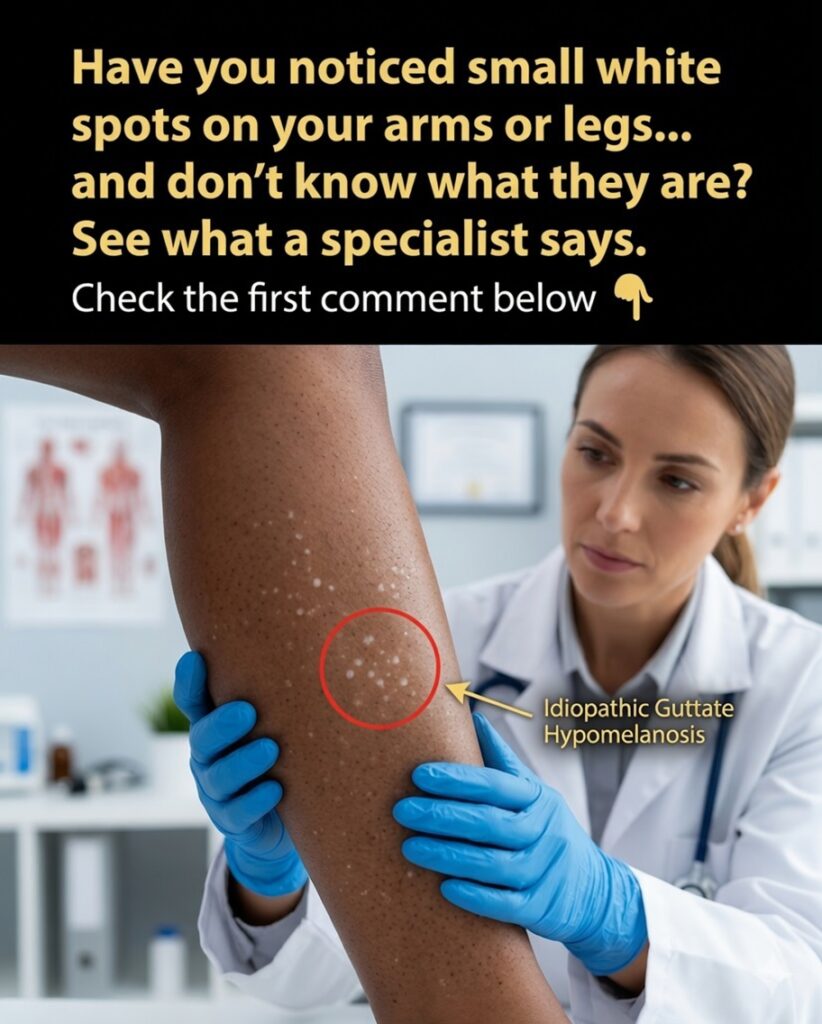
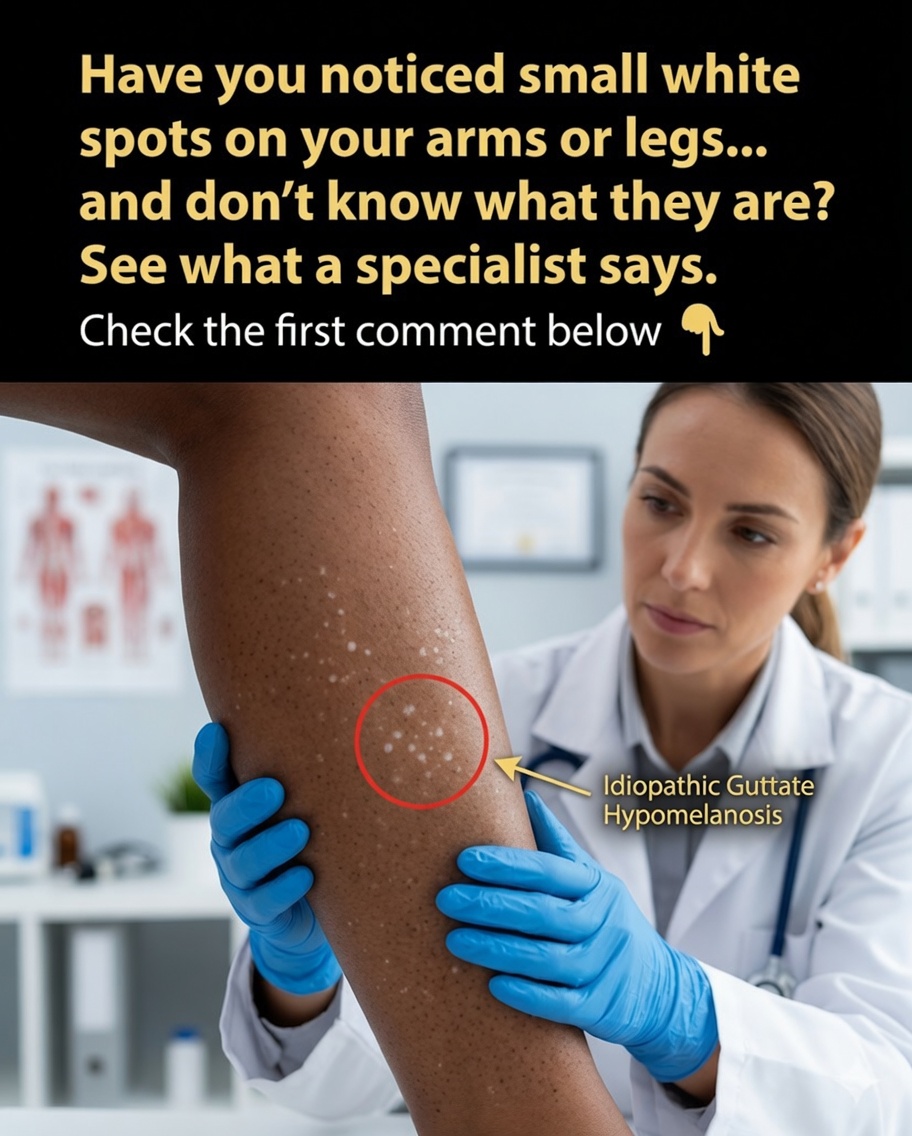
2. Idiopathic Guttate Hypomelanosis — “Sun Spots” in Reverse
Tiny, round white dots on the arms or legs are often linked to cumulative sun exposure over many years. While treatment options vary, daily broad-spectrum sunscreen is one of the best ways to help prevent new spots from forming.
3. Pityriasis Alba — Often Related to Dry Skin or Dermatitis
These are pale patches with slight flaking, commonly appearing after episodes of dryness, eczema, or irritation. Consistent moisturizing and gentle skincare usually support gradual color recovery.
4. Vitiligo — Autoimmune-Related Pigment Loss
When patches are expanding, spreading, or sharply defined, vitiligo may be a possibility. In vitiligo, the immune system affects pigment-producing cells. Because early evaluation can influence management options, seeing a dermatologist is important.
5. Milia — Small Raised White Bumps
Milia are tiny, firm white bumps caused by keratin trapped under the skin. They’re harmless but can be stubborn and may persist without targeted care.
6. Post-Inflammatory Hypopigmentation
After rashes, wounds, burns, irritation, or inflammation, the skin can temporarily heal lighter than the surrounding area. With time—and gentle care—pigment often returns.
7. Nutritional Deficiencies
In some cases, low levels of nutrients such as vitamin B12 or vitamin D may influence skin appearance and pigmentation. A balanced diet and appropriate medical testing can help clarify whether deficiencies play a role.
8. Cosmetic Products or Chemical Treatments
Certain cosmetics, exfoliants, or chemical agents can lead to uneven lightening or irritation, creating pale areas. It’s wise to patch-test new products and avoid harsh or aggressive formulas if your skin is reactive.
9. Progressive Macular Hypomelanosis
If lighter patches slowly widen, especially on the trunk, progressive macular hypomelanosis may be considered. It has been associated with bacterial factors and should be assessed professionally.
10. Lichen Sclerosus
This condition often affects sensitive areas and should not be self-treated. Early medical attention is recommended to prevent complications and relieve symptoms.
11. Marks After Injury or Procedures
Skin may heal lighter after burns, scars, aesthetic treatments, or minor trauma. These changes can be temporary, but recovery varies by individual and by the depth of injury.
12–15. Less Common Causes
A number of rare genetic or systemic conditions can also produce white spots or reduced pigmentation. These cases typically require specialist evaluation for accurate diagnosis.
What You Can Do Right Now
- Track changes by observing and photographing the spots regularly (lighting and angles matter)
- Apply broad-spectrum sunscreen daily, even on cloudy days
- Keep skin well-supported with regular moisturizing
- Avoid aggressive products that can trigger irritation or uneven tone
- Consult a dermatologist if spots spread, change quickly, itch persistently, or appear with other symptoms
One Simple Habit That Makes a Real Difference
If you choose only one daily step, make it this: use sunscreen every day. Consistent sun protection is one of the most effective ways to reduce further discoloration and help prevent existing white spots from becoming more noticeable over time.
Conclusion
Most white spots on the skin are not dangerous, but understanding what’s behind them is key to protecting your skin health and improving its appearance. With attentive observation, gentle skincare, and simple habits—especially daily sun protection—you can take practical steps with greater confidence.
Note: This content is for informational purposes only and does not replace advice from a qualified healthcare professional.