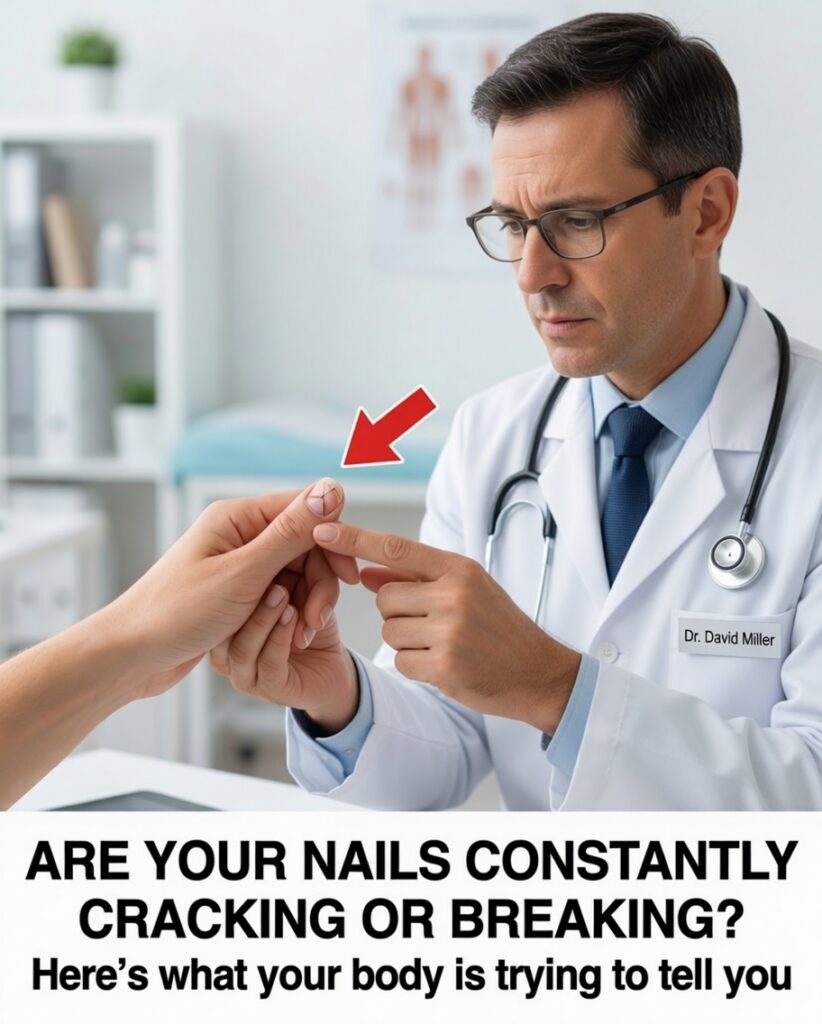
Are Your Nails Weak and Breaking? It Could Be a Nutrient Deficiency—Fix It Naturally and See Results in Weeks
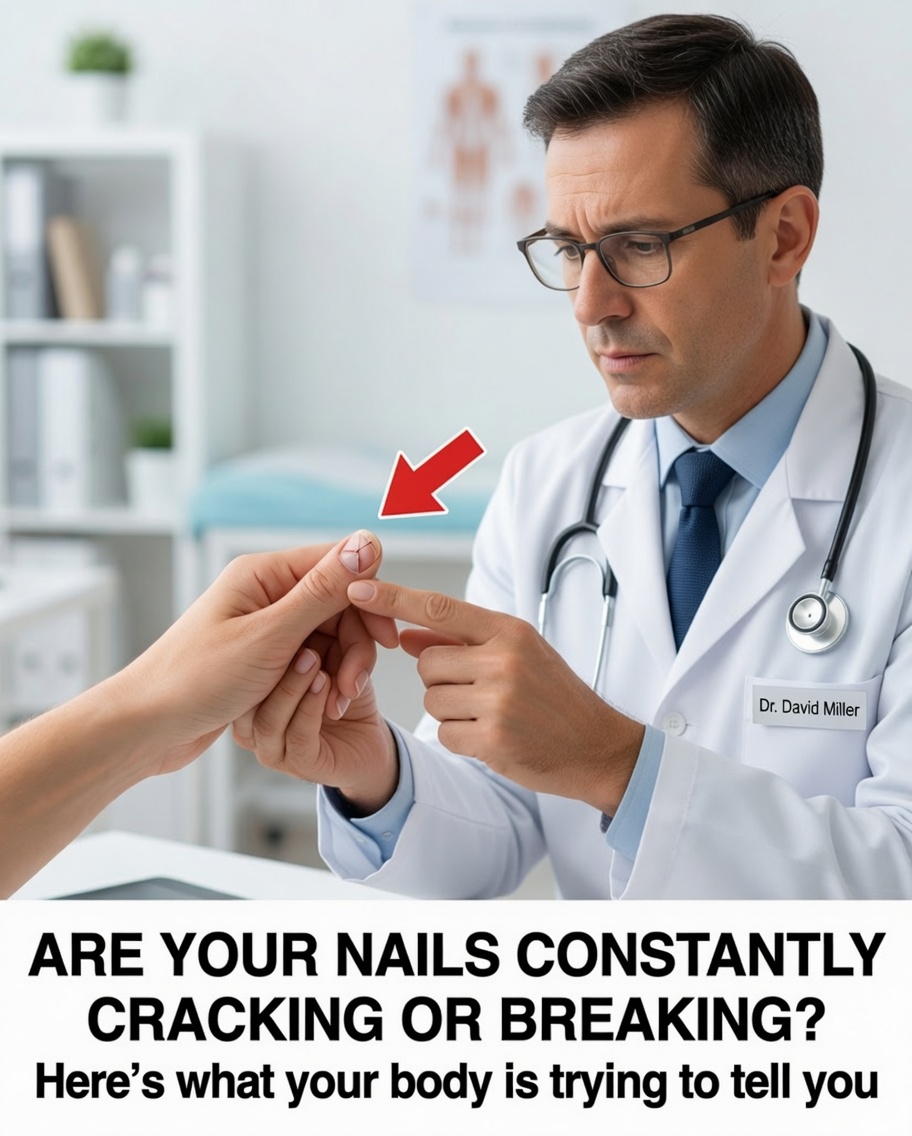
Do your nails feel thin, peel easily, or snap during everyday tasks—turning simple moments into constant frustration? Those changes may be more than cosmetic. In many cases, brittle nails are your body’s way of signaling that something internal needs attention.
Brittle nails can reflect issues like low nutrient intake, chronic dehydration, hormonal shifts, or repeated exposure to harsh chemicals. The good news: with targeted, natural adjustments, many people notice stronger nails within a few weeks.
1) Low Biotin (Vitamin B7)
Biotin supports keratin production—the protein that gives nails structure and resilience. If your intake is low, nails may become weaker and more prone to splitting.
- Add to your diet: eggs, almonds, spinach
- Daily target: roughly 30–100 mcg from food and/or a gentle supplement option
2) Iron Deficiency
Thin nails—especially those that curve inward (“spoon-shaped”)—can sometimes be linked to low iron levels.
- Iron-rich choices: lentils, dark leafy greens, seeds
- Important: speak with a healthcare professional before taking iron supplements, since unnecessary iron can be harmful
3) Not Enough Protein
Nails are largely made of protein. If your diet is consistently low in protein, your body may struggle to build strong, healthy nail tissue.
- Simple daily additions: legumes, eggs, plain yogurt
4) Chronic Dehydration
When your body lacks fluids, nails often become dry, brittle, and more likely to crack or peel.
- Aim for: 6–8 glasses of water per day
- Bonus habit: an herbal tea in the evening to support hydration
5) Frequent Exposure to Harsh Chemicals
Dish soaps, detergents, and strong nail polish removers can strip natural oils and weaken nails over time.
- Protect your nails: wear gloves for cleaning
- Choose gentler options: minimize harsh removers and opt for more natural products when possible
6) Cold, Dry Weather
Low humidity and cold temperatures pull moisture from the skin and nails, leaving them rough and fragile.
- Daily care tip: massage coconut oil or olive oil into cuticles and nails to reduce dryness
7) Thyroid Imbalances
Slow nail growth and increased nail fragility can be connected to thyroid-related hormone changes—especially when paired with other symptoms.
- If you notice additional signs (fatigue, hair changes, weight shifts), consider a medical evaluation
8) Skin Conditions (Such as Psoriasis)
Certain skin conditions can cause nail ridges, pitting, or breakage.
- Natural support approach: focus on an anti-inflammatory eating pattern
- Helpful ingredients: turmeric and ginger (as part of meals or teas)
9) Fungal Nail Infections
Yellowing, thickening, or unusual texture can sometimes indicate a fungal issue.
- Natural option: apply diluted tea tree oil daily
- Note: persistent or spreading symptoms should be assessed by a professional
10) Aging and Micro-Trauma
Over time, nails can naturally become more delicate. Repeated “micro-traumas” (like using nails to open packages) also weaken the nail plate.
- Practical fix: keep nails shorter and consistently moisturized
- Avoid: using nails as tools whenever possible
Quick Natural Nail Strengthening Checklist
- Hydration: water + herbal teas
- Nutrition: adequate protein + biotin-rich foods + iron sources
- Protection: gloves for cleaning + fewer harsh chemicals
- External care: daily use of natural oils on nails and cuticles
The One “Secret” That Changes Everything
The real solution usually isn’t a stronger polish or a temporary hardener—it’s paying attention to what your body is telling you. Small, consistent daily habits often create the most visible, long-lasting improvements.
Picture your nails looking smoother, stronger, and healthier in about 30 days. Start today with just one change—drink more water, upgrade your breakfast, or add a protein-rich snack. Your body communicates in many ways, and your nails are one of the most visible signals.
Frequently Asked Questions
Do diet changes really improve nail strength?
Yes. When you provide the right nutrients, nails can grow stronger from the root, leading to more durable nail growth over time.
When should I see a specialist?
If changes persist, or if you notice pain, discoloration, thickening, or rapid worsening, it’s best to seek professional guidance.
Do nail strengtheners work?
They may help temporarily, but they don’t address underlying causes. Long-term improvement usually comes from internal support and consistent protection.
This article is for informational purposes only. If symptoms persist, consult a qualified healthcare professional.