Unexplained Itching and Wounds That Won’t Heal? A Natural Approach May Bring Relief in Days
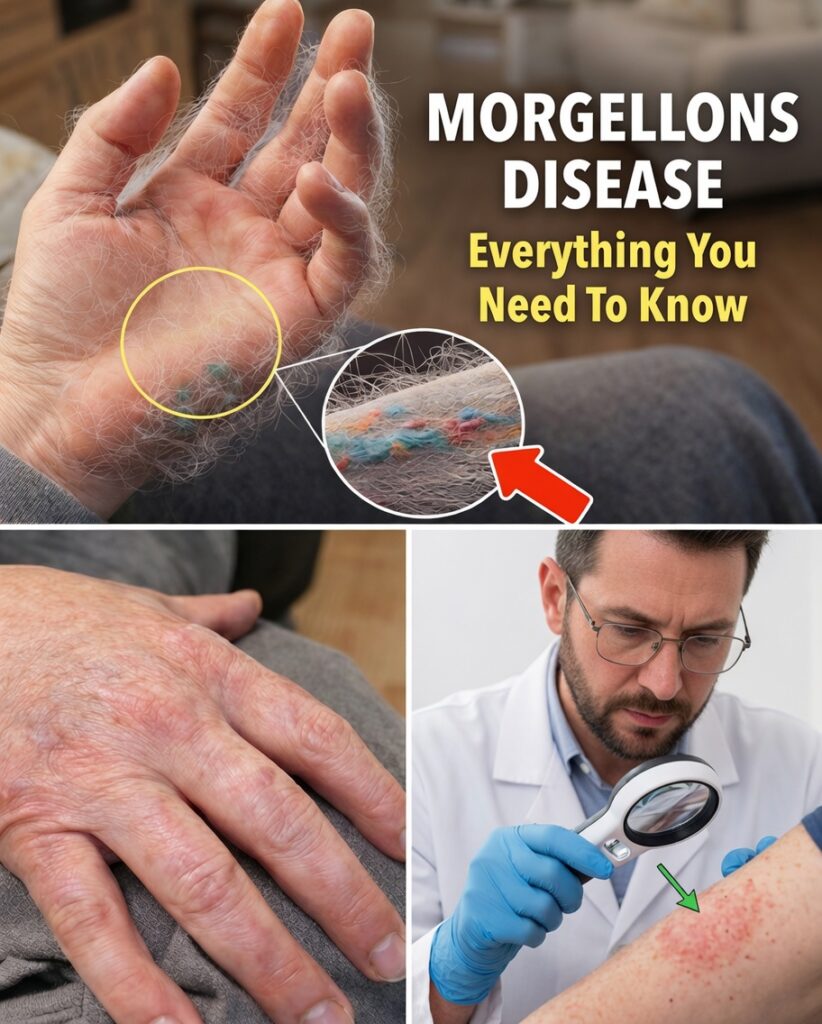
Picture waking up every morning with intense itching—almost like something is moving under your skin—while tiny colored threads appear in sores that simply refuse to heal. Living with this day after day can lead to exhaustion, anxiety, and even social withdrawal, especially when you can’t find clear answers. Understanding this condition more fully can offer both relief and direction—so read to the end, because what you learn may completely change how you view what’s happening.
What Is Morgellons Disease?
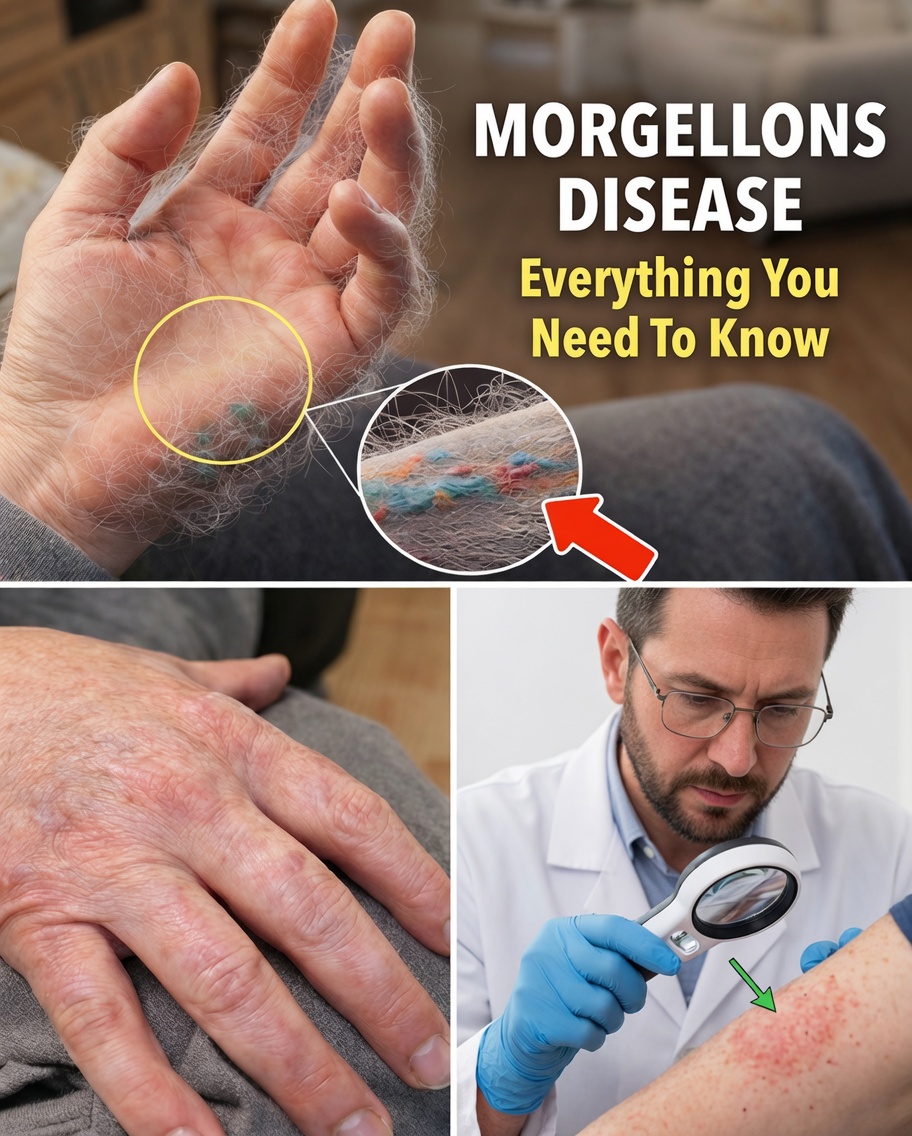
Morgellons Disease (MD) is a rare and highly debated condition marked by:
- A strong sensation of fibers or filaments emerging from the skin
- Persistent sores or lesions
- Significant discomfort, including itching and stinging feelings
The term Morgellons was introduced in 2002 by Mary Leitao, who reported similar symptoms in her child.
Although only a small number of people report MD, it is more commonly described in middle-aged women, though it can appear in different groups. For many, the impact on daily life can be severe—sometimes even more disruptive than better-known skin disorders.
How Can Morgellons Develop?
The exact cause of Morgellons remains unclear. Many specialists connect it to delusional infestation, a condition in which a person believes they are infested despite a lack of medical evidence.
Large investigations, including a CDC study, did not find parasites or an infectious cause. In many cases, the fibers were determined to be external materials, such as cotton, fabric fragments, or skin debris.
Some smaller studies have suggested a possible relationship with Lyme disease, but this theory is not widely confirmed. Emotional strain, high stress levels, and long-term skin irritation may also contribute to symptoms and flare-ups.
Common Signs and Symptoms
Symptoms vary by person, but commonly include:
- A crawling, stinging, or biting sensation (intense tingling)
- Colored fibers (red, blue, black, or white) seen on or near the skin
- Slow-healing sores
- Localized pain (often in areas like the face or arms)
- Fatigue and sleep problems
- Anxiety and trouble concentrating
Because the discomfort can be relentless, many people scratch frequently—often making the lesions worse and prolonging healing.
Why Do the “Threads” Appear?
Most laboratory assessments indicate that these fibers are not produced by the body. Instead, they typically come from the environment—such as clothing fibers, dust, or lint—and become embedded or trapped in irritated skin, especially when repeated scratching occurs.
Recognizing this can reduce stigma and help guide a more balanced, practical approach to symptom management.
How Is Morgellons Diagnosed?
There is no single test that confirms Morgellons. Diagnosis is usually made through exclusion, meaning clinicians first rule out other conditions such as:
- Scabies
- Dermatitis or eczema
- Bacterial or fungal skin infections
A medical evaluation may include:
- A thorough skin examination
- Biopsy of lesions
- Blood tests, depending on symptoms and history
A comprehensive approach is important to understand the full picture—both physical and emotional.
Natural Treatment and Symptom Management
While there is no definitive cure, many people find meaningful improvement through careful, natural supportive care aimed at soothing the skin and reducing stress:
- Skin support: Apply calming natural options like coconut oil or aloe vera to reduce dryness and irritation.
- Soothing baths: Oatmeal baths or Epsom salt baths may help ease itching and discomfort.
- Calming herbs: Teas such as chamomile, lemon balm, or valerian can support relaxation, reduce anxiety, and improve sleep quality.
- Natural supplements: Zinc, vitamin C, and omega-3s may support skin repair and overall immune health.
- Stress reduction: Practices like meditation, deep breathing, and outdoor walks can be essential for lowering symptom intensity and improving well-being.
Warning: Always patch-test any natural ingredient before regular use, and consult a healthcare professional—especially if symptoms are severe, worsening, or affecting sleep and mental health.
Practical Tips for Daily Relief
- Avoid scratching lesions to prevent worsening irritation and delayed healing
- Keep skin clean and well-moisturized
- Track symptoms in a journal (itching intensity, sleep, triggers, flare-ups)
- Seek emotional support when needed—stress and isolation can amplify symptoms
Conclusion
Morgellons Disease can feel confusing and overwhelming, but learning the typical symptoms and taking a gentle, natural, and structured approach can bring significant relief. You are not alone—when you combine reliable information with appropriate support, it’s possible to regain stability and improve your quality of life.
Frequently Asked Questions (FAQ)
-
What causes Morgellons Disease?
There is no clear consensus, but many studies highlight a mix of psychological, environmental, and skin-related factors. -
Is there a cure for Morgellons?
There is no proven cure, but symptoms can often be managed with consistent skin care and appropriate medical guidance. -
Do natural treatments work?
Natural strategies may reduce discomfort and support well-being, especially when used alongside professional care.
This article is for informational purposes only and does not replace professional medical advice.