Get Rid of Persistent Bad Breath with a Simple Natural Gargle—Start Today
Have you ever coughed and noticed a small, hard white lump with a terrible smell—without knowing what it was? As odd (and uncomfortable) as it feels, this is more common than most people realize. For many, it’s linked to the tonsils and can lead to persistent bad breath, along with that annoying “something stuck in the throat” sensation that can even make everyday conversations uncomfortable.
The good news: it’s usually not dangerous. But once you understand what’s happening, it becomes much easier to manage—and one simple daily habit can make a bigger difference than you’d expect.
What Are Those White “Stones”?
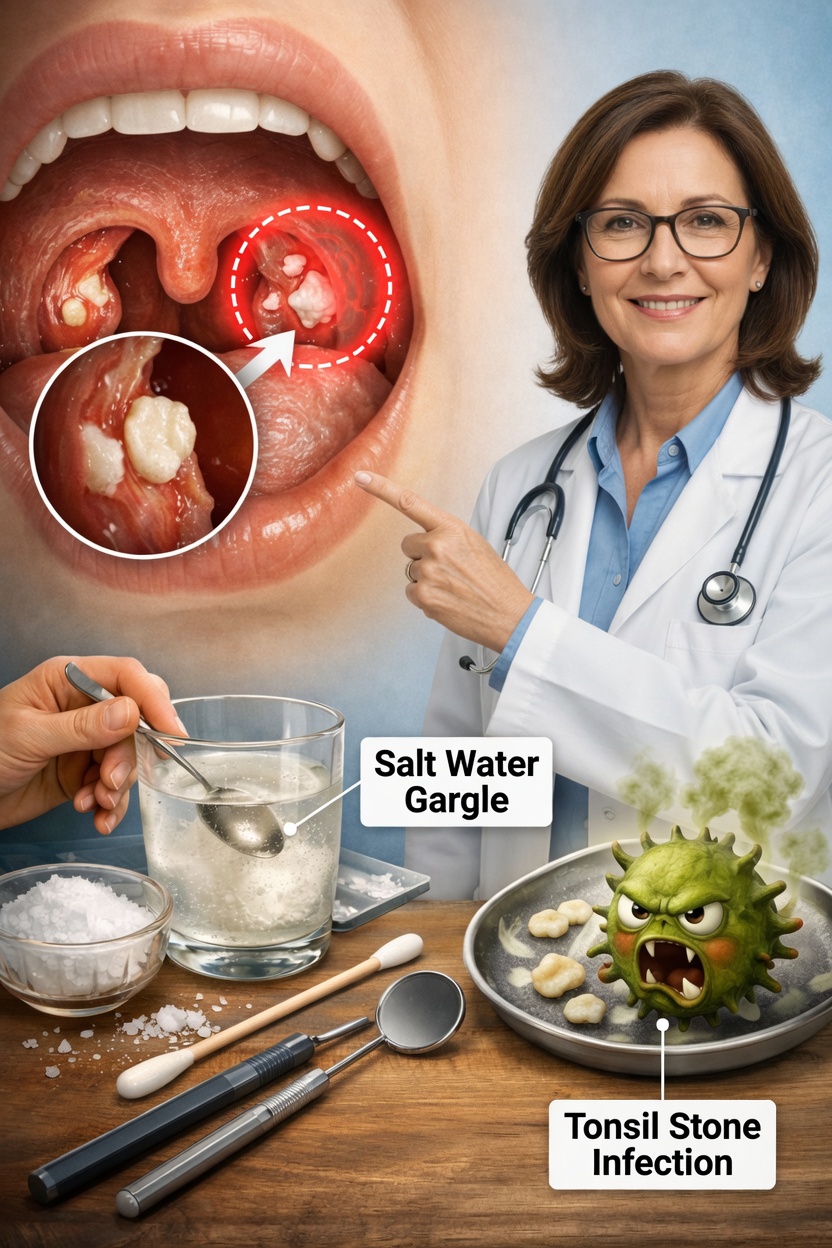
Those small white or yellowish lumps are called tonsil stones (also known as tonsilloliths). They form inside the tonsils’ natural pockets, called tonsillar crypts.
Tonsil stones develop when food particles, dead cells, mucus, and bacteria get trapped in these crevices. Over time, this material can harden, turning into tiny deposits that look like grains or small pebbles.
They’re very common—especially in people with deeper crypts or a history of tonsil inflammation. Most are harmless, but their size can range from barely noticeable to clearly visible.
Why Do Tonsil Stones Form So Easily?
Your tonsils act like natural filters, catching germs that enter through the mouth. That’s helpful for the immune system—but it also makes the area more likely to collect debris.
Common factors that encourage tonsil stone buildup include:
- Inconsistent oral hygiene
- Frequent tonsil inflammation
- Post-nasal drip (excess mucus draining into the throat)
- Dry mouth (low saliva flow)
- A diet high in sugar or dairy
Anyone can get tonsil stones, but they’re especially common in teens and young adults.
The Real Reason They Smell So Bad
The most frustrating part is the odor.
That strong smell typically comes from anaerobic bacteria trapped inside the tonsil stones. These bacteria produce sulfur compounds—the same type of compounds strongly associated with halitosis (bad breath).
Even a very small tonsil stone can cause noticeable breath issues that don’t improve with brushing alone. Many people feel no pain at all—yet still deal with the embarrassment of ongoing bad breath.
Common Signs of Tonsil Stones
Some people have no symptoms, but frequent signs include:
- Persistent bad breath
- Bad taste in the mouth
- A feeling of something stuck in the throat
- Visible white spots on the tonsils
- Mild ear discomfort (referred sensation)
- Coughing when a stone loosens or comes out
If you maintain good dental hygiene and still struggle with bad breath, tonsil stones may be the hidden cause.
Simple Habits That Can Help Reduce Tonsil Stones
You can’t always prevent them entirely, but these habits often reduce how often they form:
- Brush and floss daily
- Drink plenty of water
- Avoid smoking
- Clean your tongue regularly
One of the simplest and most effective habits, though, is even easier.
The Power of Gargling
Regular gargling helps rinse away trapped debris before it hardens into stones.
A highly effective natural option is:
Warm salt water gargle
- Mix 1/2 teaspoon of salt into a glass of warm water
- Gargle for 30 seconds, then spit out
This can help loosen tonsil stones and also soothe throat irritation.
How to Remove Tonsil Stones Safely at Home
If you can clearly see a tonsil stone, you can try gentle methods:
- Use good lighting and a mirror
- Gargle firmly with salt water
- If needed, apply very gentle pressure with a cotton swab
- Rinse thoroughly afterward
- Avoid using excessive force
Warning: Pushing too hard can irritate the tonsil tissue or push the stone deeper into the crypt.
When to See a Professional
Seek medical guidance if you experience:
- Pain or difficulty swallowing
- Frequent, persistent tonsil stones
- Fever or signs of infection
- Noticeable swelling or worsening symptoms
A healthcare professional can confirm the cause and discuss appropriate options if the issue keeps returning.
Tonsil Stones vs. Other Throat Problems
It helps to know how tonsil stones differ from other conditions:
- Tonsil stones: bad breath, white spots, mild discomfort
- Tonsillitis: significant pain, fever, inflamed tonsils
- Bacterial infection: thick coating/patches, stronger pain, may require treatment
- Allergies: ongoing mucus, mild irritation, throat clearing
Conclusion: You’re Not Alone
Tonsil stones are common and usually harmless. Once you understand how they form—and why they cause odor—you can manage them with simple, consistent steps.
Often, the key is regular routine: small daily habits can significantly reduce buildup and improve breath confidence. Support your oral health—and if something feels unusual or persists, get professional advice.
Frequently Asked Questions
-
Do tonsil stones go away on their own?
Yes. Many loosen naturally through coughing, eating, or gargling. -
Are tonsil stones contagious?
No. They form from debris and bacteria already present in your mouth and throat. -
Do tonsil stones mean poor hygiene?
Not necessarily. Even with good oral care, they can happen due to tonsil anatomy (deep crypts) and mucus buildup.
Disclaimer: This content is for informational purposes only and does not replace professional medical advice. Consult a qualified healthcare provider if you have concerns or persistent symptoms.