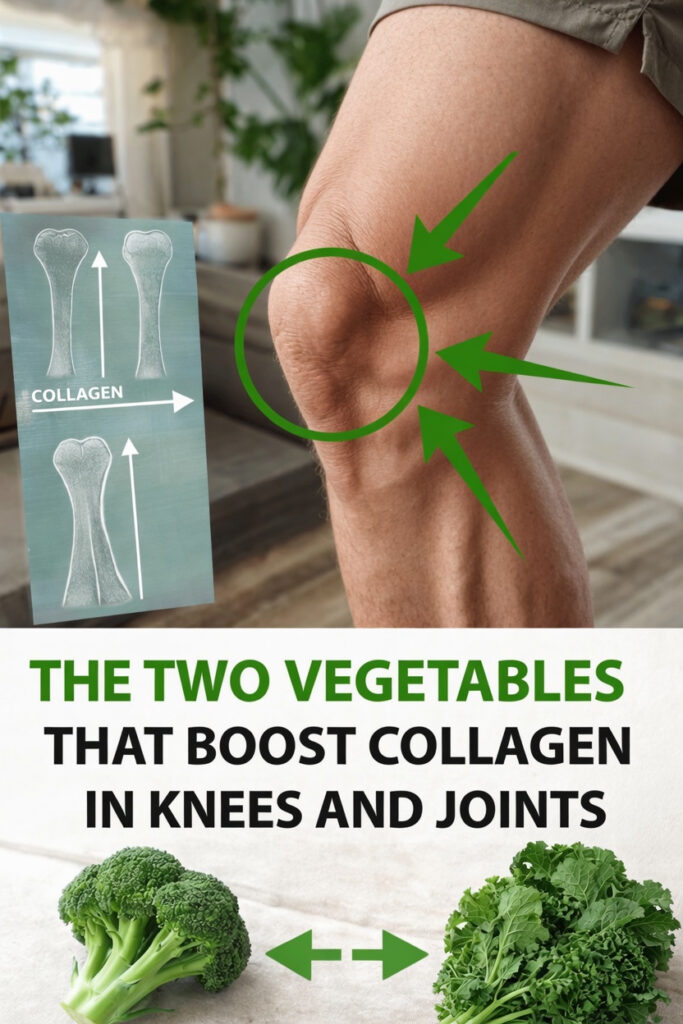
Two Everyday Vegetables That May Help Support Collagen for Healthier Joints
Many people experience knee tightness or joint discomfort during normal daily movement, especially as they get older or after spending long hours on their feet. When joints feel stiff, even routine actions such as walking, climbing stairs, or standing up from a chair can become uncomfortable.
One important reason joint health changes over time is collagen. This structural protein helps keep cartilage and connective tissues strong, flexible, and resilient. As the body ages, natural collagen production gradually decreases. The good news is that certain nutrient-dense foods can help support this process by providing vitamin C and other compounds the body uses to build collagen.
So which vegetables deserve extra attention? Two common choices stand out for their nutritional value and their potential role in supporting collagen formation.
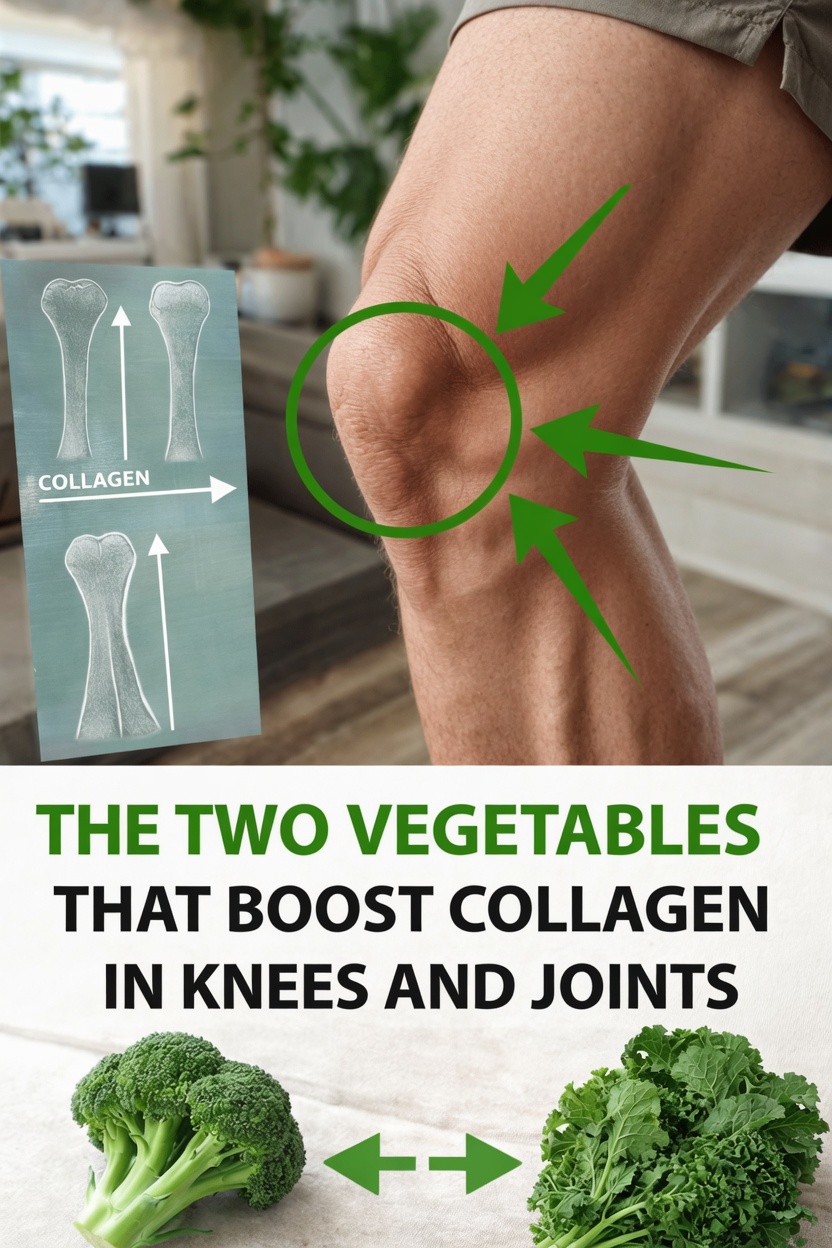
Why Collagen Is Important for Joint Health
Collagen is one of the main components of cartilage, the smooth cushioning tissue that protects joints such as the knees. When collagen levels drop, cartilage and connective tissues may become less durable, making joints more vulnerable to everyday wear and tear.
Vitamin C plays a central role in collagen production because the body needs it to create pro-collagen, the early form of mature collagen. It helps link amino acids together so collagen fibers can form properly. Research consistently shows that getting enough vitamin C supports connective tissue health throughout the body.
Antioxidants also matter. They help defend existing collagen against oxidative stress, which can damage tissues over time and contribute to reduced joint comfort.
Why Vitamin C-Rich Vegetables Matter
Because the human body cannot make vitamin C on its own, food intake is essential. Vegetables rich in vitamin C are especially valuable because they also provide antioxidants and other beneficial plant compounds.
Among the many options available, two vegetables are often highlighted for their impressive nutrient profiles:
- Bell peppers
- Broccoli
These vegetables are easy to find, simple to prepare, and fit naturally into most eating patterns.
1. Bell Peppers: A Colorful Source of Vitamin C
Bell peppers, especially the red and yellow varieties, are among the best vegetable sources of vitamin C. In fact, one medium red bell pepper can provide more than the average daily recommended amount.
Their benefits include:
- Very high vitamin C content, which helps support collagen synthesis
- Carotenoids and other antioxidants, which may help protect tissues
- Low calories and high water content, making them a light, hydrating food
Bell peppers are also convenient because they can be eaten raw, roasted, sautéed, or blended into meals without much effort.
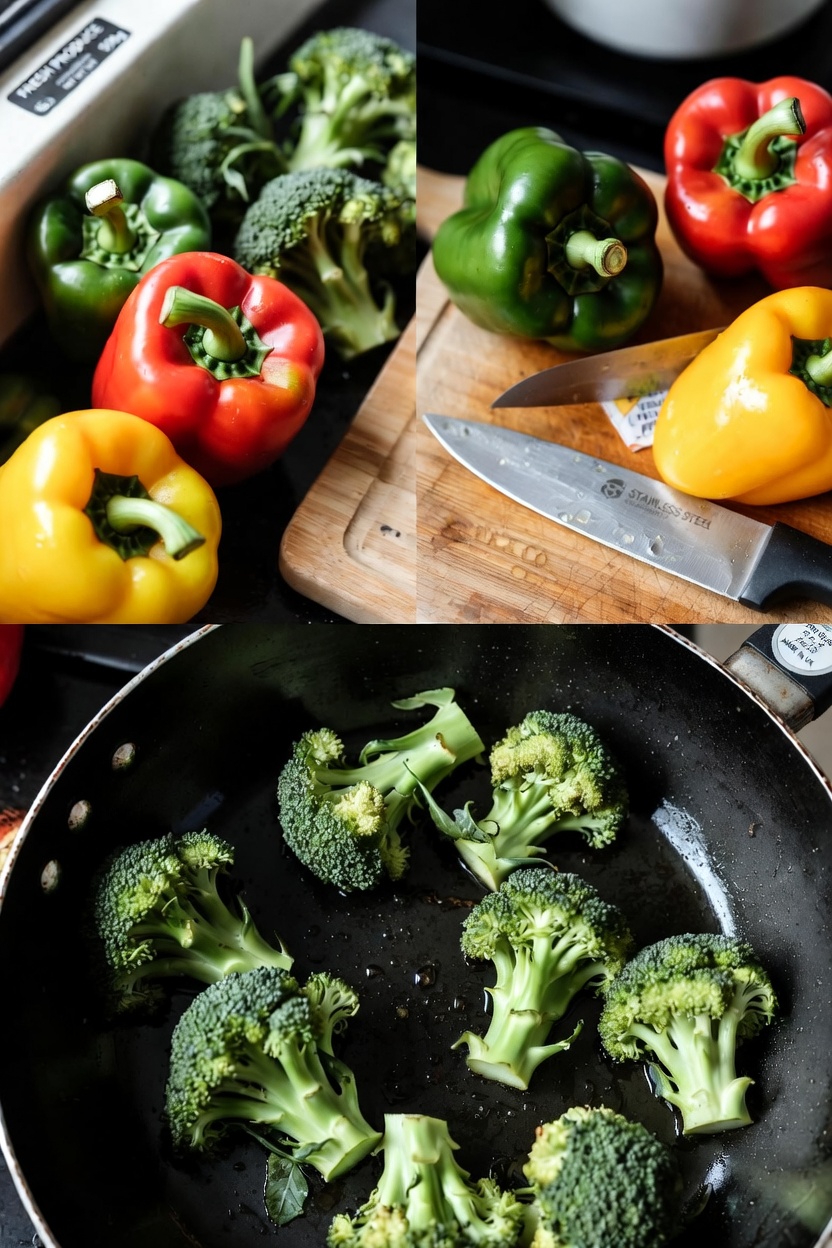
2. Broccoli: A Nutrient-Dense Choice for Joint Support
Broccoli is another excellent vegetable for collagen-friendly nutrition. It offers a strong supply of vitamin C along with other beneficial nutrients, including fiber and vitamin K.
What makes broccoli especially interesting is its content of sulforaphane, a plant compound known for its antioxidant properties. Research suggests this compound may help protect the body from stress linked to inflammation and tissue damage.
Key advantages of broccoli include:
- Vitamin C, essential for collagen formation
- Vitamin K, important for overall body function
- Sulforaphane, a protective antioxidant compound
- Fiber, which supports digestive health and general wellness
How These Vegetables Help Collagen Production
The body uses vitamin C to stabilize and build collagen fibers. Without enough of this nutrient, collagen formation becomes less efficient. That is why foods like bell peppers and broccoli can be useful additions to a joint-supportive diet.
Nutrition research has shown that diets providing adequate vitamin C are associated with better support for collagen synthesis. Bell peppers are particularly effective because of their concentrated vitamin C levels, while broccoli brings both vitamin C and additional antioxidant protection through sulforaphane.
Other vegetables such as tomatoes and leafy greens can also contribute, but bell peppers and broccoli offer especially strong benefits in practical serving sizes.
Key Nutrients at a Glance
Bell Peppers
- High in vitamin C
- Rich in carotenoids and antioxidants
- Low in calories
- High in water content
Broccoli
- Good source of vitamin C
- Contains vitamin K
- Provides sulforaphane
- Offers fiber for digestive support
Eating a mix of nutrient-rich vegetables can help broaden your intake of compounds that support connective tissue health.
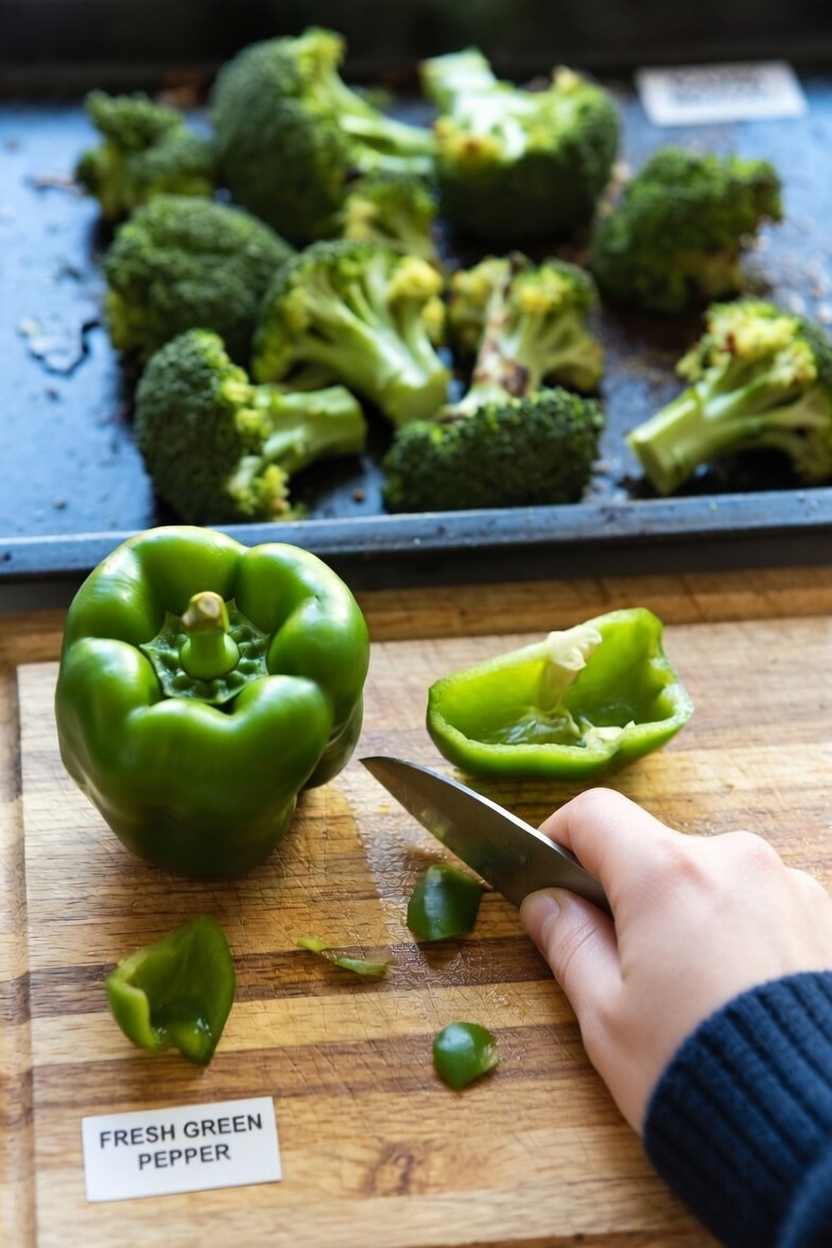
Easy Ways to Add Bell Peppers and Broccoli to Your Diet
You do not need complicated recipes to benefit from these vegetables. Small, consistent additions can make a difference.
Simple ideas to try
-
Make a quick morning stir-fry
- Cook chopped broccoli and bell peppers in a little olive oil with garlic.
- Serve with eggs or as a breakfast side.
-
Build a fresh salad
- Combine raw red bell pepper pieces with lightly steamed broccoli florets.
- Add lemon juice for extra vitamin C and finish with a light dressing.
-
Choose smarter snacks
- Slice bell peppers into strips for dipping.
- Prepare steamed broccoli ahead of time for an easy grab-and-go option.
-
Blend them into smoothies
- Add a small amount of broccoli florets and bell pepper to a smoothie.
- When blended with fruit or other ingredients, the flavor stays mild.
-
Roast them for extra taste
- Toss both vegetables with herbs and roast in the oven.
- Roasting enhances sweetness while still preserving useful nutrients.
A practical goal is 1 to 2 servings per day. Fresh or lightly cooked vegetables usually retain more vitamin C, since prolonged heat can lower its content.
Additional Habits That May Support Joint Wellness
Diet is only one part of the picture. For better joint support, combine nutritious foods with healthy daily habits:
- Drink enough water to help support joint lubrication
- Stay active with gentle movement such as walking, stretching, or swimming
- Eat enough protein from foods like eggs, fish, beans, or legumes to provide amino acids used in tissue repair
- Reduce excess sugar intake, since high sugar consumption may negatively affect collagen stability
Long-term consistency is more valuable than trying to be perfect every day.
What Research Suggests
Nutritional studies continue to show that diets rich in vitamin C from vegetables are linked with better support for connective tissues. While these foods are not a substitute for professional medical care, they fit well within widely recommended eating patterns designed to support overall health, including Mediterranean-style diets.
No single vegetable can transform joint health overnight. However, regularly eating nutrient-rich foods such as bell peppers and broccoli may help support the body’s natural collagen-building processes over time.
Conclusion
Bell peppers and broccoli are two accessible, affordable vegetables that provide important nutrients, especially vitamin C, to help support natural collagen production. Including them in your meals on a regular basis may help promote joint comfort, mobility, and overall wellness as part of a balanced lifestyle.
Small dietary changes can build meaningful habits. Start with one simple recipe or snack idea this week and make these vegetables a more regular part of your routine.
FAQ
How much vitamin C do adults need each day for collagen support?
Most adults need around 75 to 90 mg of vitamin C daily. Getting more through food is generally safe and beneficial. One red bell pepper alone often provides more than this amount.
Is it better to eat bell peppers and broccoli raw or cooked?
Both options are beneficial. Raw vegetables usually preserve the most vitamin C, while light steaming or roasting can improve flavor and make them easier to digest without causing major nutrient loss.
Are there other vegetables that may support collagen too?
Yes. Tomatoes, kale, Brussels sprouts, and other leafy greens also provide vitamin C and antioxidants that can support collagen-friendly nutrition.