Rice Water for Skin: A Simple, Gentle Beauty Tradition Making a Comeback
As skin matures, it often becomes drier, duller, and more vulnerable to the visible effects of daily life. Many people spend years trying products that promise results but end up feeling too aggressive, too complicated, or simply unreliable. That frustration has led more people to seek uncomplicated, gentler skincare solutions based on natural ingredients with a long history of use.
One of the most talked-about options is rice water. Though incredibly simple, this kitchen staple has deep roots in traditional beauty rituals and is now gaining fresh attention in modern skincare. So why is rice water resonating with so many people today, and what is the safest way to use it? Below, you’ll find the key benefits, current research, and an easy preparation method you can try at home.
Why Natural Skincare Continues to Grow in Popularity
Modern consumers are increasingly drawn to plant-based and minimalist skincare routines. A major reason is concern over synthetic additives, irritation, and the long-term impact of harsh ingredients. Natural alternatives often feel easier to trust and fit well within a more balanced, wellness-focused lifestyle.
Research helps explain this growing interest. Studies suggest that certain compounds derived from plants, including those found in rice, may offer hydrating, calming, and antioxidant support for the skin. Rice contains components such as amino acids and ferulic acid, both of which are associated with skin-supportive properties.
For many people, the appeal goes beyond ingredient trends. Using something familiar from the kitchen can create a sense of comfort and confidence, making skincare feel more personal and manageable.
What Is Rice Water and Why Is It Special?
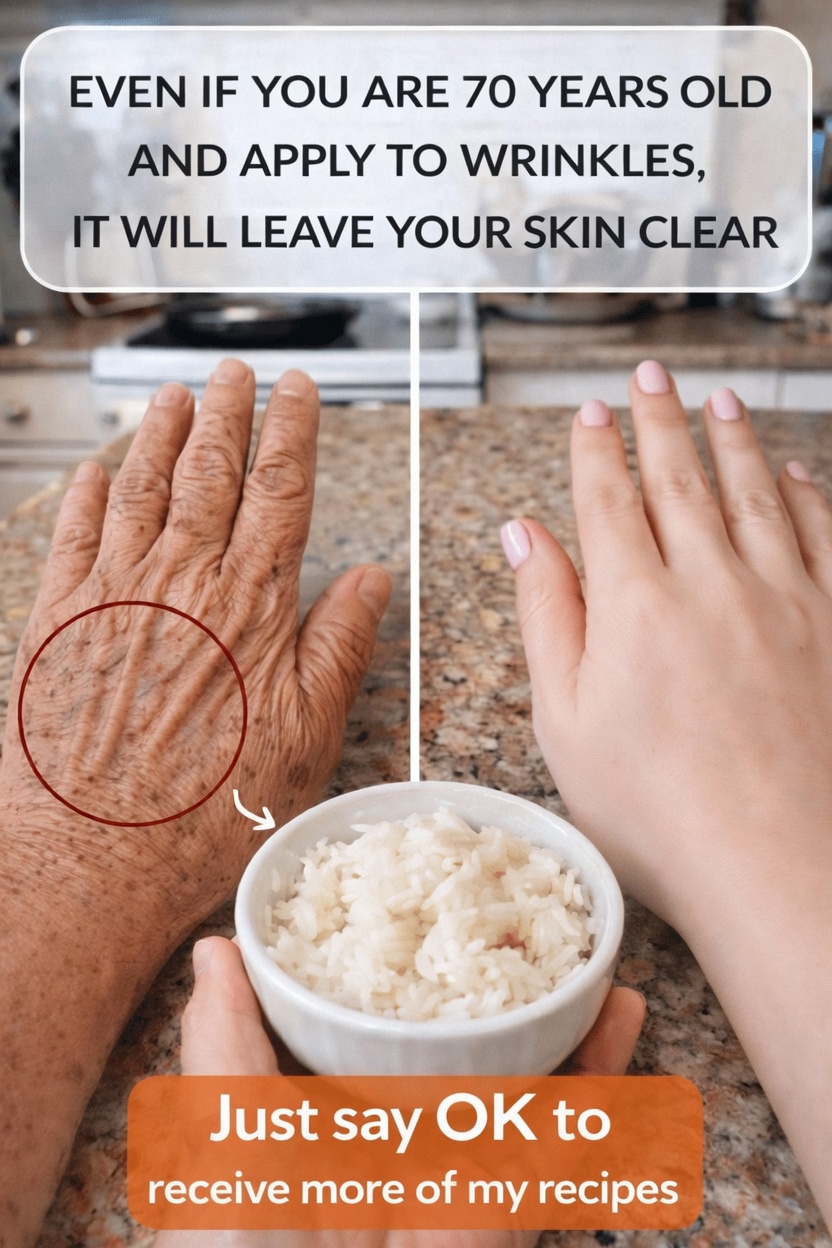
Rice water is the cloudy liquid left behind after rice is soaked or rinsed. It has been used for generations in traditional Asian beauty practices and has recently re-entered the spotlight through social media, natural wellness communities, and DIY skincare routines.
What makes it stand out?
- Nutrient-rich composition: Rice water contains vitamins, minerals, antioxidants, and starches that may help support the skin’s natural condition.
- Mild on the skin: Compared with stronger active ingredients, rice water is generally considered gentle and may suit many skin types, including sensitive skin.
- Easy to use: It can fit into a routine in several ways, such as a toner, rinse, soak, or bath addition.
Emerging research on rice-based skincare ingredients suggests possible benefits including better moisture retention and reduced oxidative stress caused by everyday environmental exposure. Although more studies are still needed, early findings are promising, especially when it comes to supporting the skin barrier and improving overall skin appearance.
Potential Skin Benefits of Rice Water
Interest in rice water is growing within cosmetic science, and several studies have explored its properties. While it should not be seen as a miracle cure, it may be a helpful addition to a balanced skincare routine.
1. Supports Hydration
Some evidence suggests rice water can help the skin retain moisture, which may leave it feeling softer and smoother. This is one reason it is often recommended for dry or tired-looking skin.
2. Provides Antioxidant Protection
Rice water contains compounds that have shown antioxidant activity in laboratory settings. In some cases, this activity has been compared to vitamin C-like effects, meaning it may help defend the skin against daily environmental stress.
3. Helps Calm Irritated or Stressed Skin
Preliminary findings indicate that rice water may have a soothing effect, making it appealing for skin that feels dry, reactive, or uncomfortable.
4. May Strengthen the Skin Barrier
Research related to rice-derived ingredients suggests they may support skin firmness and help reduce water loss. A stronger barrier often means skin is better able to stay hydrated and resilient.
For example, one small study using a gel made with rice water reported mild improvements in skin hydration after regular application. Other research has pointed to fermented rice water as potentially offering enhanced antioxidant support. These observations come from dermatology reviews and cosmetic science publications.
Even so, results differ from person to person. Rice water is best viewed as a supportive skincare step rather than a complete solution on its own.
How to Make Rice Water at Home
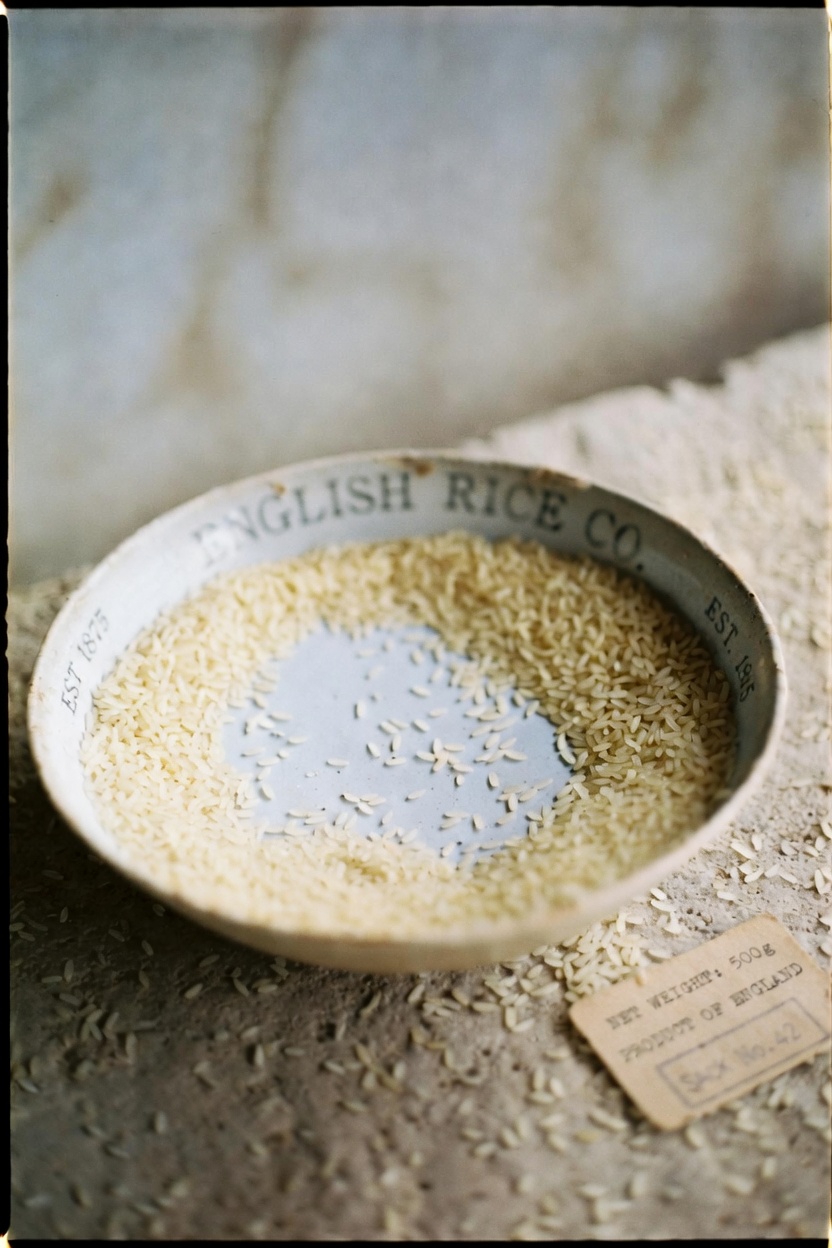
Making rice water is simple and requires only a few minutes of preparation.
Basic Rice Water Recipe
- Rinse 1/2 cup of uncooked rice under clean water to remove dirt or residue.
- Transfer the rice to a bowl.
- Add 2 to 3 cups of water.
- Stir lightly and let the rice soak for about 30 minutes. For a stronger mixture, let it sit a bit longer.
- Strain the liquid into a clean container. The strained liquid is your rice water.
How to Make Fermented Rice Water
If you want to try a fermented version:
- Prepare rice water using the same steps above.
- Leave the strained liquid at room temperature for 1 to 2 days.
- Once it develops a slightly sour smell, move it to the refrigerator.
Fermented rice water is often praised for having a more active profile, though it may not suit everyone, especially those with highly reactive skin.
Easy Ways to Use Rice Water in Your Routine
Rice water is flexible and can be added to your skincare habits in several simple ways.
- As a facial toner: Apply it with a cotton pad after cleansing.
- As a face rinse: Splash it onto freshly washed skin, then pat dry gently.
- For hand or foot soaks: Soak for 10 to 15 minutes to help soften rough skin.
- In the bath: Add about one cup to warm bathwater for a soothing full-body experience.
Before using it on your face or body, always do a patch test on the inner arm to check for any negative reaction.
Plain Rice Water vs. Fermented Rice Water
A common question is whether regular rice water or fermented rice water is better. The answer depends on your skin type, goals, and comfort level.
Plain Rice Water
- Fast and easy to prepare
- Offers light hydration and starch-based support
- A good starting point for beginners
- Usually milder than fermented versions
Fermented Rice Water
- Requires more time to make
- May contain increased levels of antioxidants and beneficial organic acids
- Often considered more potent
- May offer stronger support for skin vitality in some cases
Both versions can be useful. If you are new to rice water, starting with the plain version is often the safest choice.
Tips for Using Rice Water Safely
To get the best experience from rice water, keep these practical guidelines in mind:
- Begin gradually: Use it 2 to 3 times per week at first and watch how your skin responds.
- Store it correctly: Keep it refrigerated and use it within one week.
- Throw it away if it changes: If the smell becomes unpleasant or unusual, discard it.
- Pair it with moisturizer: Follow with a gentle moisturizer to help seal in hydration.
- Be consistent: Mild skincare ingredients often show the best results with steady, long-term use.
Using rice water too often may cause dryness for some people, so more is not always better.
Frequently Asked Questions About Rice Water for Skin
Is rice water good for every skin type?
Many people find it gentle and easy to tolerate. However, anyone with very sensitive skin, allergies, or existing skin conditions should patch test first.
How soon can results appear?
This varies by person. Some people notice softer, better-hydrated skin after a few weeks of regular use.
Can I buy rice water skincare products instead of making it myself?
Yes. Many commercial skincare products contain stabilized rice water, which can be more convenient and may offer better shelf life.
Final Thoughts
Rice water offers a refreshingly simple way to care for the skin using a traditional ingredient with modern appeal. Ongoing research continues to explore its potential role in hydration, soothing support, antioxidant protection, and barrier care, but much of its popularity comes from how accessible, gentle, and easy to use it is.
If you are looking for a straightforward addition to your skincare routine, rice water may be worth trying. Its simplicity is part of its charm, and for some people, it becomes a reliable favorite.
Important Note
This article is intended for informational purposes only and does not replace medical advice. If you have ongoing skin concerns, allergies, or a diagnosed skin condition, speak with a dermatologist or qualified healthcare professional before trying any new skincare practice.