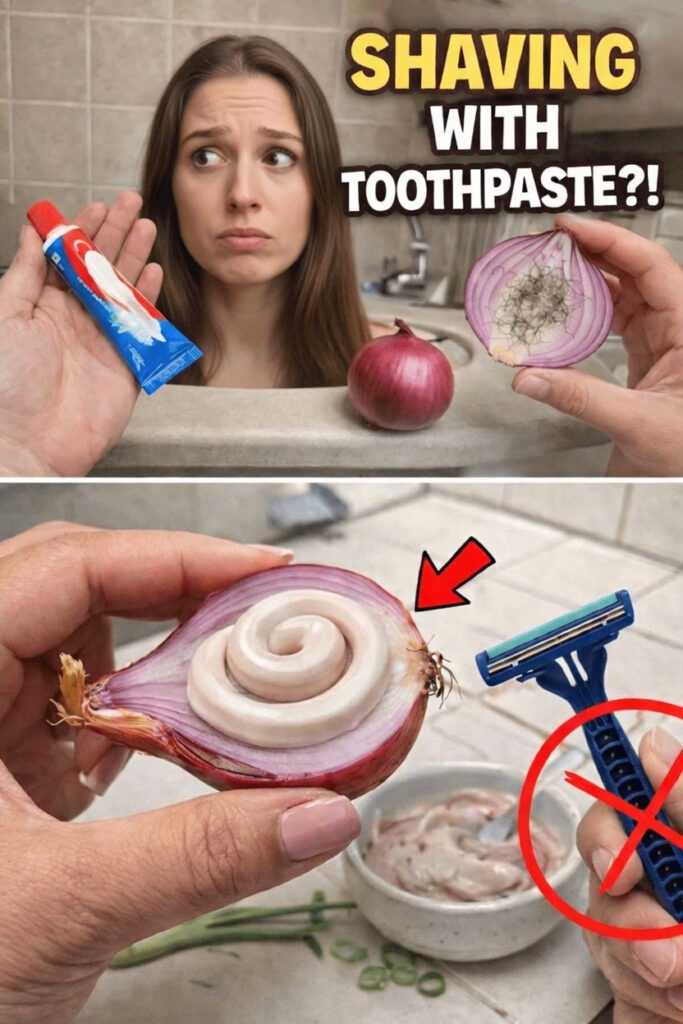
Looking for a Gentler Alternative to Shaving?
For many people, shaving is part of everyday grooming. Yet despite how common it is, the process often comes with downsides: skin irritation, razor bumps, ingrown hairs, dryness, and the need to shave again almost immediately. Smooth skin may last only briefly before stubble returns, sometimes feeling even rougher and making the skin more sensitive.
Because of this cycle, many people start searching for easier, skin-friendly ways to manage unwanted facial or body hair. While the internet is full of DIY beauty tips, not every remedy is equally safe or effective. Still, some simple kitchen ingredients have been used in traditional self-care routines for years and are often discussed as natural options for smoother-looking skin.
This article takes a realistic look at those methods, including one especially talked-about mixture: onion and toothpaste.
Why So Many People Want Alternatives to Shaving
Shaving only cuts hair at the surface of the skin. That makes it fast and convenient, but it can also create tiny cuts, trigger dryness, and cause irritation, especially in delicate areas like the face. On top of that, hair tends to grow back quickly, often with a prickly texture.
That is why many people explore gentler hair care methods that may feel less harsh on the skin. According to dermatology-based guidance, some natural ingredients can help with mild exfoliation or gradually affect how hair looks and feels. However, these changes are usually subtle and differ from person to person. They are not comparable to clinical hair removal treatments.
Natural Ingredients Often Mentioned in Hair Care Discussions
Onion
Onion has a long history in home beauty remedies, especially for scalp and hair care. It is widely known for its sulfur compounds, which are often linked to hair health. In fact, research published in the Journal of Dermatology has examined onion juice in people with certain forms of patchy hair loss, with some participants showing regrowth after regular use.
However, that research focuses on supporting hair growth, not reducing hair. So while onion is frequently mentioned in DIY skincare, there is no strong scientific evidence showing that it removes unwanted hair.
Toothpaste
Toothpaste is made for dental hygiene, not for treating skin or managing body hair. It often contains mild abrasives, cleansing agents, and sometimes whitening ingredients. Social media trends sometimes promote toothpaste as part of homemade hair removal mixtures, but experts, including sources like Healthline, point out that there is no reliable proof it reduces hair growth.
Instead, applying toothpaste to the skin may lead to dryness, irritation, or discomfort, especially for people with sensitive skin.
The Onion and Toothpaste Mixture: A Popular DIY Trend
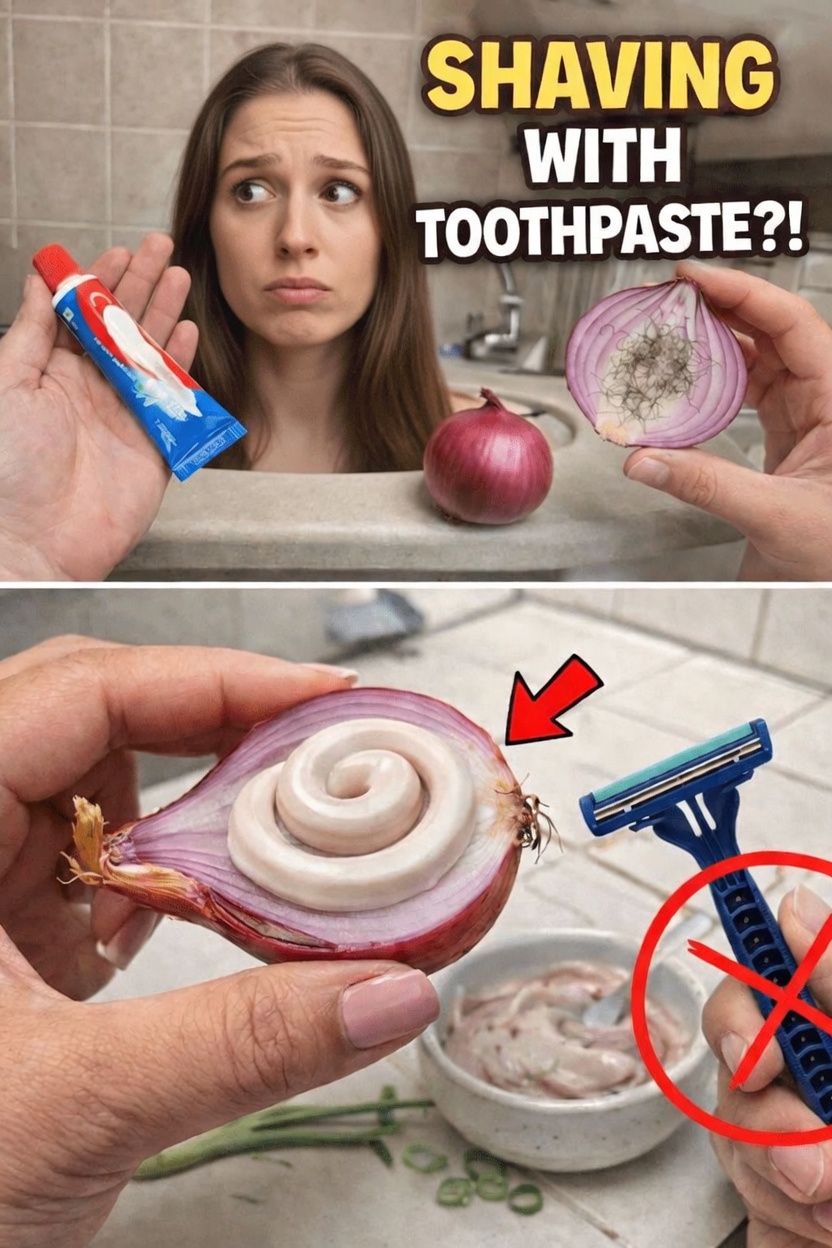
One home remedy that has gained attention online involves blending fresh onion juice with plain white toothpaste to create a paste. This mixture is then applied to areas with unwanted hair for a short period before being rinsed away.
The idea behind it is that compounds in onion, combined with the texture and ingredients of toothpaste, might help make hair seem finer or make the skin feel smoother after repeated use. Some people share positive personal experiences, but these are anecdotal and not supported by strong scientific studies.
Dermatologists generally advise caution. Since this mixture was not designed for skin use, it may trigger redness, stinging, or even an allergic reaction in some individuals.
Even so, if someone wants to try it carefully, the most important approach is to do so gently and safely.

How to Try an Onion-Based Paste Safely
If you are curious about this DIY method, use a cautious, skin-first approach.
Step-by-step method
-
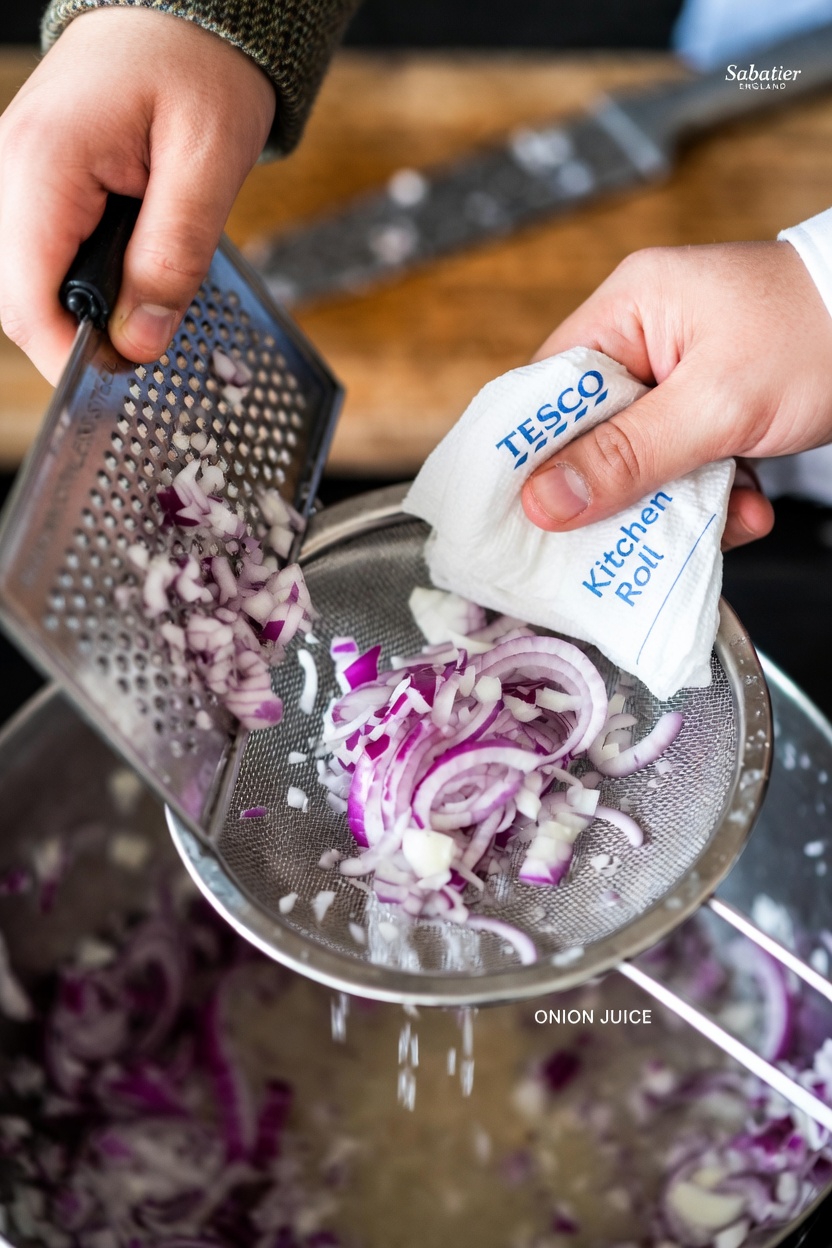
Prepare fresh onion juice
- Choose a red or white onion.
- Grate it and strain the pulp through a clean cloth.
- Collect about 1 to 2 tablespoons of juice.
-
Pick a basic toothpaste
- Use a plain, non-gel white toothpaste.
- Avoid whitening formulas, strongly flavored products, or versions with extra active additives.
-
Make the paste
- Mix 1 tablespoon of onion juice with 1 teaspoon of toothpaste.
- Stir until the texture becomes smooth and spreadable.
-
Do a patch test
- Apply a small amount to the inside of your arm.
- Wait 24 hours to check for redness, itching, or irritation.
-
Apply to clean skin
- Wash the target area and pat it dry.
- Spread a thin layer of the paste using clean fingers or a spatula.
-
Leave it on briefly
- Let it sit for 10 to 15 minutes only.
- Do not leave it on longer, as this can increase the chance of irritation.
-
Rinse well
- Wash it off thoroughly with lukewarm water.
- Gently dry the skin and apply a fragrance-free moisturizer afterward.
-
Use sparingly
- Limit use to 2 or 3 times per week at most.
- Stop immediately if you notice burning, rash, or discomfort.
This method should be seen as a mild skincare experiment, not a guaranteed hair removal solution.
Other Natural Hair Removal Options People Commonly Try
If you are interested in natural alternatives to shaving, there are several other traditional methods that are more widely used.
Turmeric paste
Turmeric is often mixed with milk or yogurt to form a paste. Once applied and allowed to dry, it can be gently rubbed away. Some people believe turmeric may slowly influence hair texture or regrowth when used consistently. It is also valued for its soothing properties on the skin.
Sugaring
Sugaring is a natural hair removal technique made from sugar, lemon juice, and water. The mixture is heated into a sticky paste, applied to the skin, and removed in a way that lifts hair from the root. Because it removes hair below the surface, results last longer than shaving, often around 2 to 4 weeks.
Many people also find sugaring less painful than traditional waxing.
Papaya and turmeric mask
Raw papaya contains natural enzymes that may help weaken hair follicles slightly over time. A common DIY mask combines mashed papaya with turmeric, applies it for about 15 minutes, and then rinses it away. While results are gradual, this method is often mentioned as a gentle option for regular use.
Quick Comparison of Popular Hair Removal Methods
Here is a simple overview of how these methods compare:
-
Shaving
- Fast and convenient
- Can cause frequent irritation
- Hair grows back quickly
-
Sugaring
- Removes hair from the root
- Results can last 2 to 4 weeks
- Often seen as a more natural alternative to waxing
-
Turmeric-based routines
- May gradually affect hair texture
- Generally gentle and calming for skin
- Requires consistency and patience
-
Onion-based paste
- Low-cost and easy to make
- Popular in DIY beauty discussions
- Still largely unproven for actual hair reduction
Tips for Safer Home Hair Care
When trying any at-home hair removal or hair management method, skin health should come first.
- Exfoliate gently before application to help reduce the risk of ingrown hairs.
- Moisturize every day to protect the skin barrier.
- Be consistent but realistic, since natural methods usually work slowly.
- Avoid direct sun exposure right after using active ingredients, as skin may be more sensitive.
What Kind of Results Should You Expect?
Natural hair removal remedies do not provide instant or permanent results like laser treatments or electrolysis. At best, they may help some people notice softer hair, smoother-feeling skin, or a reduced need for frequent shaving.
Your outcome will depend on several factors, including:
- Hair thickness
- Skin sensitivity
- Hormonal influences
- Consistency of use
For some people, the difference may be noticeable after a few weeks. For others, the change may be minimal.
Frequently Asked Questions
Is onion juice safe for every skin type?
Not always. Many people can tolerate small amounts, but onion juice may irritate sensitive, broken, or inflamed skin. A patch test is essential before using it more broadly.
How long do natural methods take to show results?
That depends on the individual. Some people report softer or less noticeable hair after several weeks of regular use, while others see little change. These methods usually require patience.
Can natural remedies replace professional hair removal?
They may be useful for gentle maintenance, but they do not match professional options for long-term reduction. If you want more lasting results, it is best to speak with a dermatologist about treatments such as laser hair removal.
Final Thoughts
If shaving leaves your skin irritated and you are looking for gentler alternatives, natural methods can be worth exploring with realistic expectations. The onion and toothpaste mixture is a widely discussed DIY option, but it remains experimental and unsupported by strong evidence. Safer, more established home methods like sugaring, turmeric paste, or papaya-based masks may be better starting points.
Above all, choose methods that protect your skin, proceed slowly, and remember that gradual improvement is the most realistic outcome with natural hair care solutions.