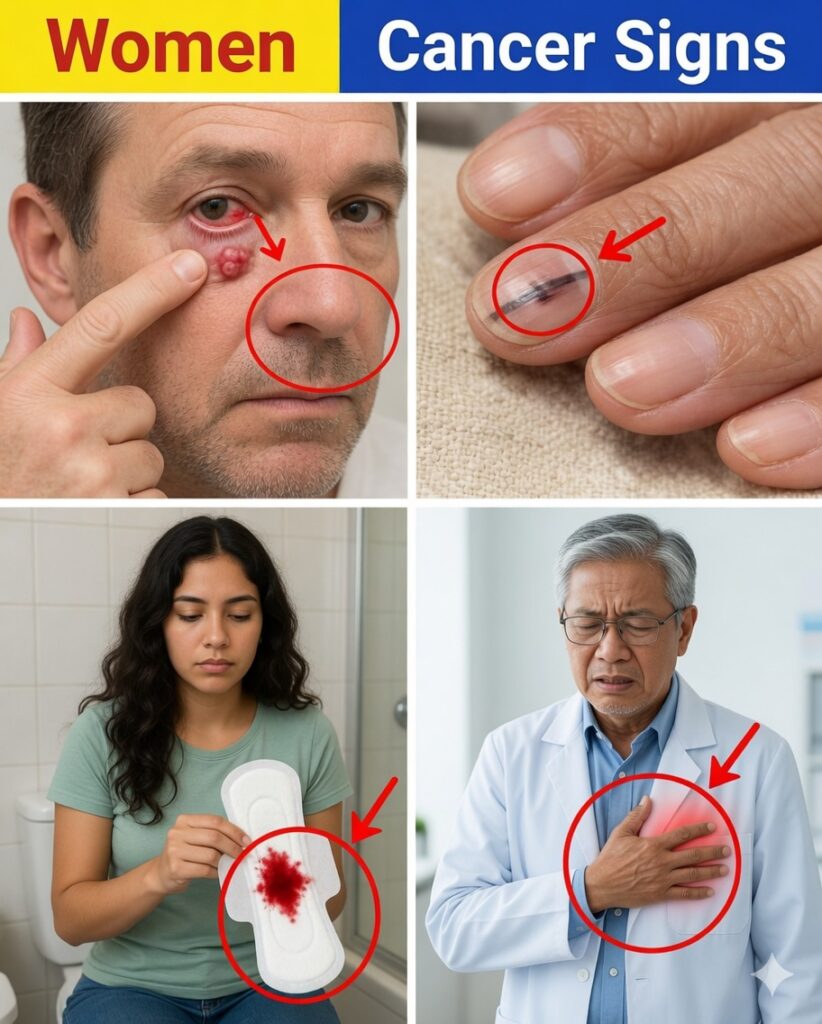
Your Body Speaks Before Illness Shows Up: Learn to Spot Early Warning Signs and Support Natural Healing
Cancer remains one of the leading causes of death among women worldwide. Yet many women still dismiss subtle bodily changes—blaming stress, hormones, or “just getting older.” With busy schedules filled with work, family, and daily obligations, important warning signs can easily be overlooked until they become harder to manage.
What if paying closer attention to these signals helped you act sooner—and improved your chances of a better outcome?
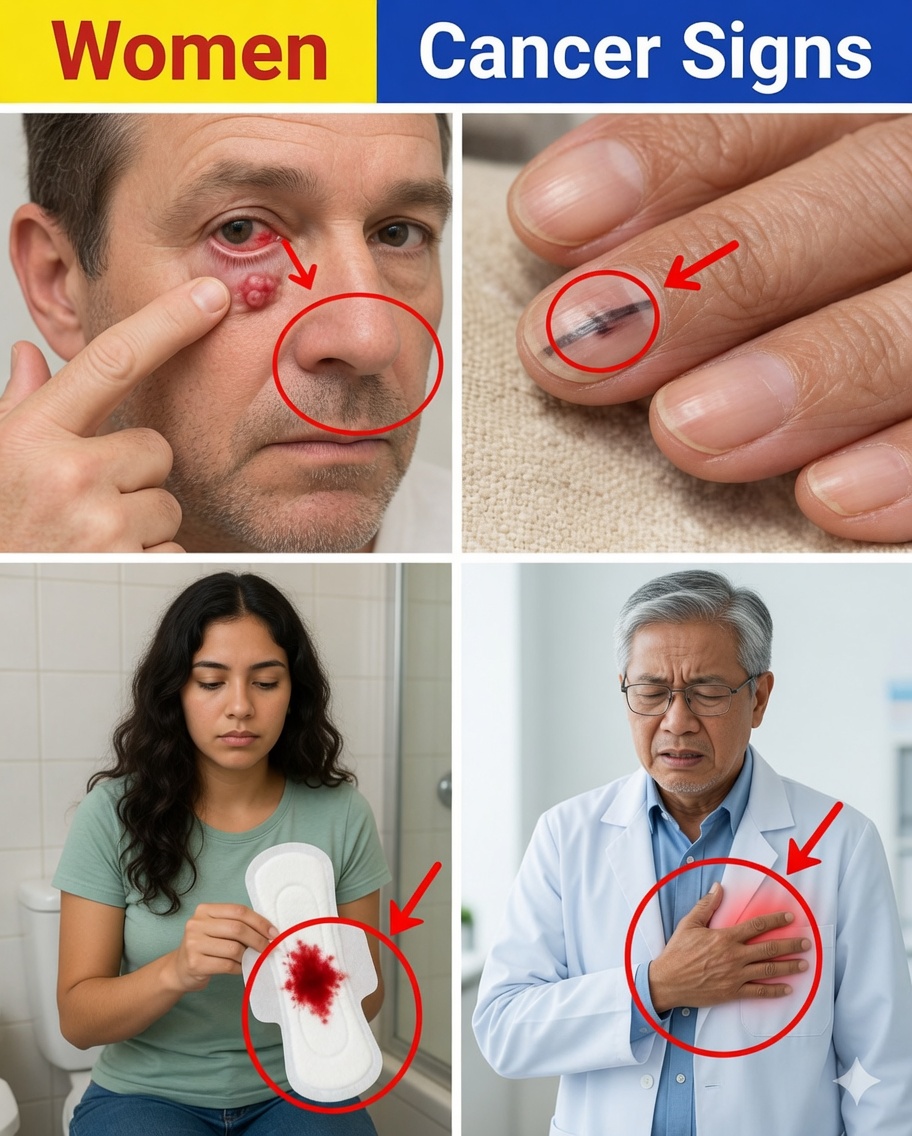
The Silent Struggle: Why Do These Signs Go Unnoticed?
A woman’s body changes constantly through menstrual cycles, pregnancy, postpartum shifts, and menopause. Because change is expected, new symptoms can feel “normal,” even when they aren’t.
As a result, many women wait weeks—or even months—before seeking medical advice, despite symptoms that may be linked to different types of cancer. Ongoing fatigue, persistent bloating, or unusual pain are not always harmless. When several symptoms appear together or keep returning, your body may be asking for attention.
Body awareness is one of your strongest health tools.
14 Cancer Warning Signs You Should Not Ignore
1) Unusual vaginal or rectal bleeding
Bleeding between periods, after menopause, or after sex can signal significant changes. Do not brush it off.
2) Unexplained weight loss
Losing more than 4–5 kg (9–11 lb) without trying can be a red flag—especially when the change happens quickly.
3) Breast changes
Lumps, lasting pain, redness, nipple discharge, or nipple inversion should always be evaluated.
4) Changes in moles or skin spots
Watch for:
- Asymmetry
- Irregular borders
- Shifts in color
- Growth in size
- Any noticeable evolution over time
5) Ongoing abdominal bloating or persistent pelvic pain
It may feel like a digestive issue, but bloating or pain that doesn’t go away can point to something more serious.
6) Severe, continuous fatigue
Tiredness that doesn’t improve with rest deserves attention.
7) Heavy or irregular periods
A much heavier flow than usual, or cycles that suddenly change pattern, should be checked.
8) Intense night sweats
Waking up drenched regularly—especially alongside other symptoms—should not be ignored.
9) Swollen lymph nodes
Lumps in the neck, armpits, or groin that persist or grow should be examined.
10) Blood in stool
Even a small amount of blood warrants medical evaluation.
11) A cough that lasts for weeks
Especially concerning if you also notice blood.
12) New or unusual headaches
Sudden changes in frequency, intensity, or type of headache should be assessed.
13) Mouth sores that won’t heal
Any sore lasting longer than two weeks should be evaluated, especially if it keeps returning.
14) Frequent urinary issues or blood in urine
It may start like a common infection, but persistent symptoms require further investigation.
When to Act Fast: How to Tell If a Symptom Is Serious
Many warning signs are commonly mistaken for everyday issues—stress, hormone fluctuations, dietary changes, or lack of sleep. However, concern increases when a symptom:
- Lasts longer than two weeks
- Gets worse over time
- Appears together with other symptoms
- Feels clearly different from your normal baseline
If any of these apply, it’s time to seek medical advice.
Practical Ways to Protect Yourself
- Track your symptoms: Write down when they occur, how intense they feel, and how long they last.
- Keep up with routine screenings: Mammograms, Pap tests, and regular health check-ups support early detection.
- Support your body daily: A balanced diet and consistent physical activity can strengthen overall health and resilience.
Your Next Step
Imagine the peace of mind that comes from recognizing signs early, getting help promptly, and staying in control of your health. Ignoring symptoms can allow problems to progress—early action gives you back choice and control.
Frequently Asked Questions
What are the most common warning signs?
Some of the most frequently reported symptoms include persistent fatigue, unexplained weight loss, and unusual bleeding.
When should I see a doctor?
If any symptom lasts more than two weeks, worsens, or feels unusual for your body, seek professional medical guidance.
Can lifestyle changes help?
Yes. Healthy nutrition, regular exercise, and consistent screening can support prevention and improve the odds of early detection.
This article is for informational purposes only and does not replace medical advice. Always consult a qualified healthcare professional if you notice unusual or persistent symptoms.