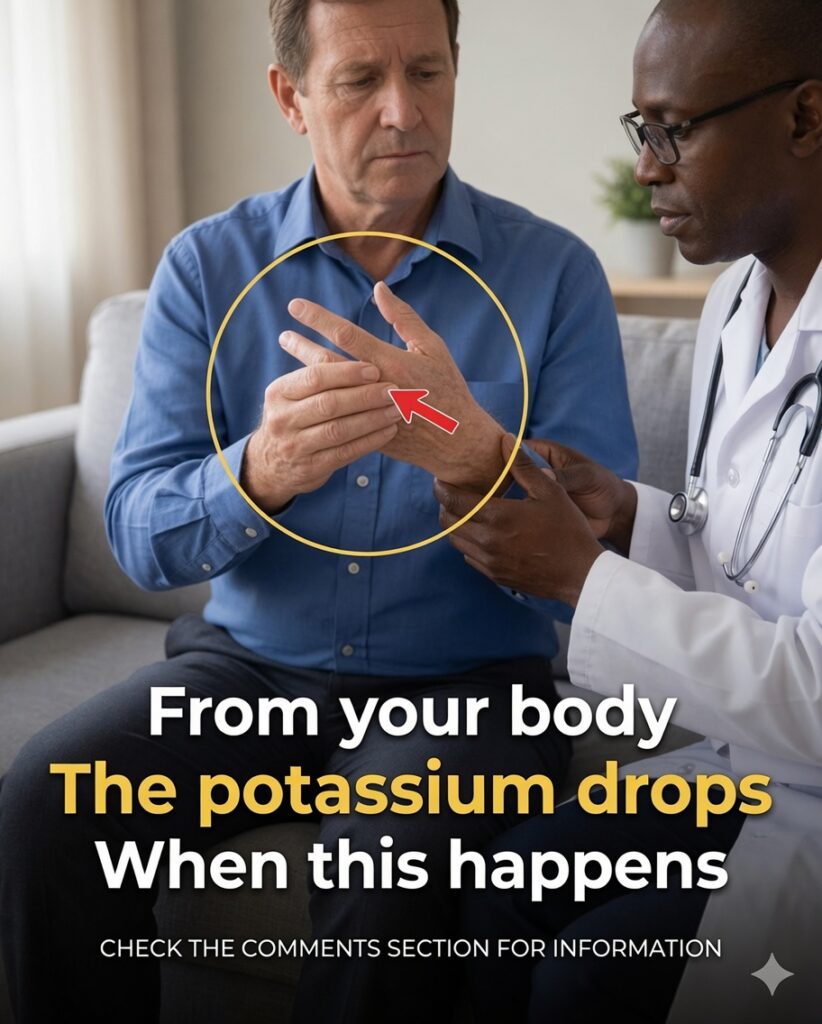
Frequent Cramps or Unexplained Fatigue? Low Potassium Could Be the Reason—Here’s How to Fix It Naturally
Waking up in the middle of the night with a sharp calf cramp, or feeling so drained that even folding laundry feels overwhelming, isn’t always “just stress” or a bad day. These symptoms can be early signs of low potassium (hypokalemia)—a mineral that plays a key role in muscle function, energy levels, fluid balance, and even heart rhythm.
The good news is that catching the warning signs early often makes it easier to restore balance with simple daily habits. Below are 7 common signs of low potassium and practical steps to support healthy levels naturally.
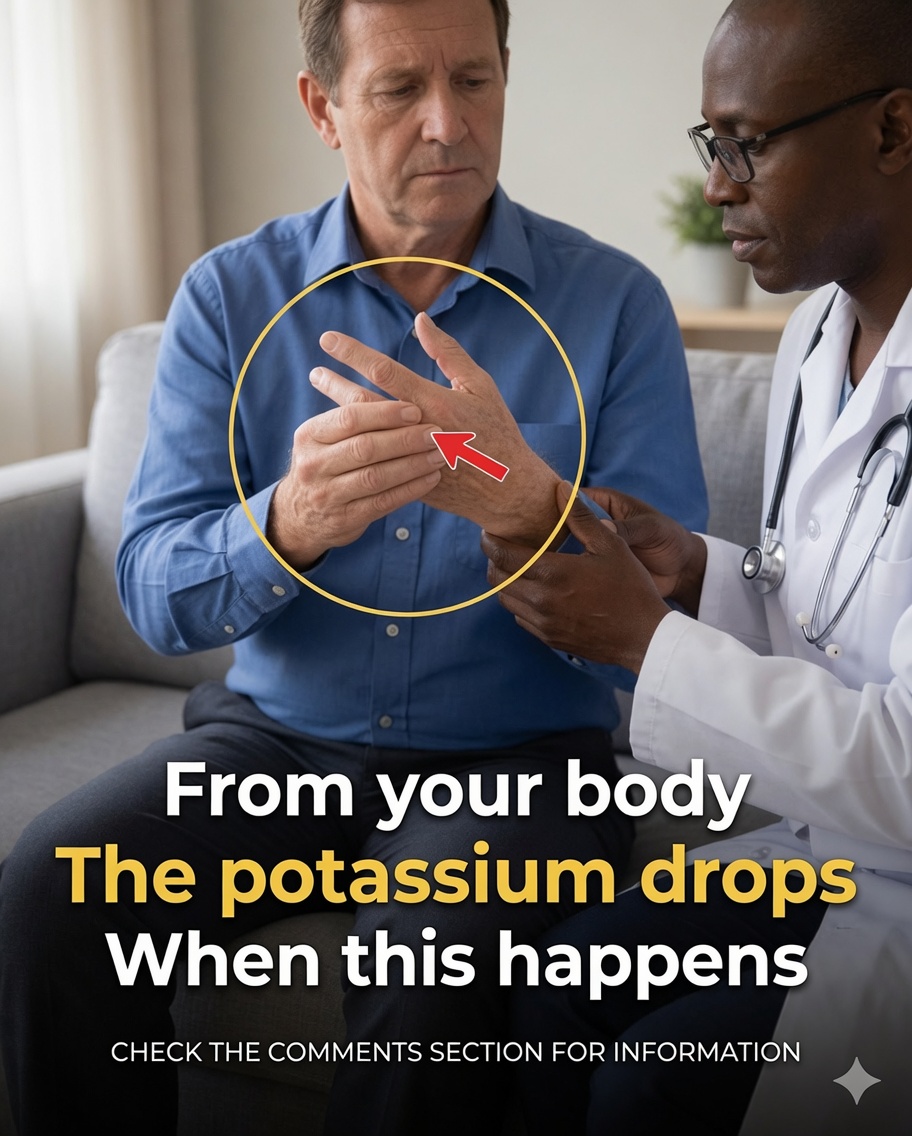
1. Frequent Muscle Cramps or Stiffness
Sudden pain in the legs, feet, or arms can appear without warning. Potassium helps muscles contract and relax properly. When levels drop, muscles may “lock up,” leading to tightness, cramps, or spasms.
- Try gentle stretching and light massage
- Rehydrate, especially after sweating
- Coconut water may help as a natural potassium source
2. Constant Weakness or Easy Fatigue
If you feel tired even after a full night’s sleep, potassium may be involved. This mineral supports communication between nerves and muscles. Low potassium can reduce efficiency, making everyday tasks feel harder than usual.
- Eat potassium-rich foods (a banana can be a quick option)
- Stay well-hydrated, especially in hot weather or after exercise
3. Irregular Heartbeat or Palpitations
A racing heart, fluttering sensation, or feeling like your heart “skips” beats should never be ignored. Potassium helps regulate the heart’s electrical signals. When it’s low, rhythm disturbances can become more likely.
- Practice slow, deep breathing
- Avoid caffeine and stimulants
- Seek medical guidance if symptoms continue or feel intense
4. Frequent Dizziness or Nausea
Lightheadedness when standing up or sudden nausea may be linked to blood pressure fluctuations and fluid imbalance—both can be influenced by potassium levels.
- Sit or lie down until it passes
- Drink water and track when the symptom occurs
5. Ongoing Constipation
Potassium supports the smooth muscle activity of the digestive tract. Without enough of it, bowel movements may slow down, causing persistent constipation.
- Increase fiber and water intake
- Add potassium-rich foods consistently
6. Tingling or Numbness
Pins-and-needles in the hands, feet, or legs can happen when nerve signaling is not working optimally. Low potassium may contribute by affecting normal nerve transmission.
- Gentle movement and hydration may help
- Monitor how often it happens and whether it worsens
7. Excessive Thirst and Frequent Urination
Drinking water constantly but still feeling thirsty—especially alongside frequent urination—can be a sign that your body is struggling with fluid and electrolyte balance, sometimes seen in more advanced stages of deficiency.
How to Support Healthy Potassium Levels Naturally
A food-first approach works well for many mild cases. Add potassium-rich options such as:
- Bananas
- Oranges
- Spinach
- Potatoes
- Avocados
- Coconut water
Also consider these supportive habits:
- Drink enough water throughout the day
- Reduce caffeine and alcohol, which may worsen dehydration
- Pay attention to patterns in your symptoms (timing, triggers, intensity)
Why Early Action Matters
Recognizing possible low potassium symptoms early can help you prevent complications and regain energy, comfort, and overall well-being faster—often with straightforward adjustments to diet and hydration.
Frequently Asked Questions
Do the symptoms go away on their own?
Mild cases may improve with better hydration and potassium-rich foods. However, ongoing or worsening symptoms should be evaluated by a healthcare professional.
Which foods help increase potassium?
Excellent options include banana, avocado, spinach, potato, orange, and coconut water.
Are heart-related symptoms serious?
Yes. Palpitations or irregular heartbeat should be assessed promptly to reduce the risk of more serious issues.
Disclaimer
This content is for informational purposes only and does not replace medical advice. Consult a qualified healthcare professional for proper evaluation and guidance.