Hair Falling Out or Feeling Weak? This Natural Rinse May Help Strengthen Strands from the Roots
Have you noticed your hair becoming drier, duller, weaker, or more prone to breakage over time? Between heat styling, pollution, and everyday stress, it’s common for hair to lose its vitality—and that can feel discouraging.
The good news: some time-tested, natural hair care habits are making a comeback, and early evidence suggests a few ingredients may genuinely support scalp comfort and stronger-looking hair. Below are 5 simple DIY hair rinse recipes—plus one practical tip that can noticeably improve results.
Why Natural Hair Rinses Can Upgrade Your Hair Routine
A natural hair rinse is typically used after shampooing to deliver gentle, plant-based compounds to the scalp and hair shaft. Unlike many commercial formulas packed with harsh additives, these rinses rely on straightforward ingredients that many people already have at home.
Some research suggests that certain natural ingredients provide antioxidants, proteins, and minerals that may contribute to hair elasticity, reduce the look of dryness, and help the scalp feel more balanced. Results differ by person, and consistency matters most.
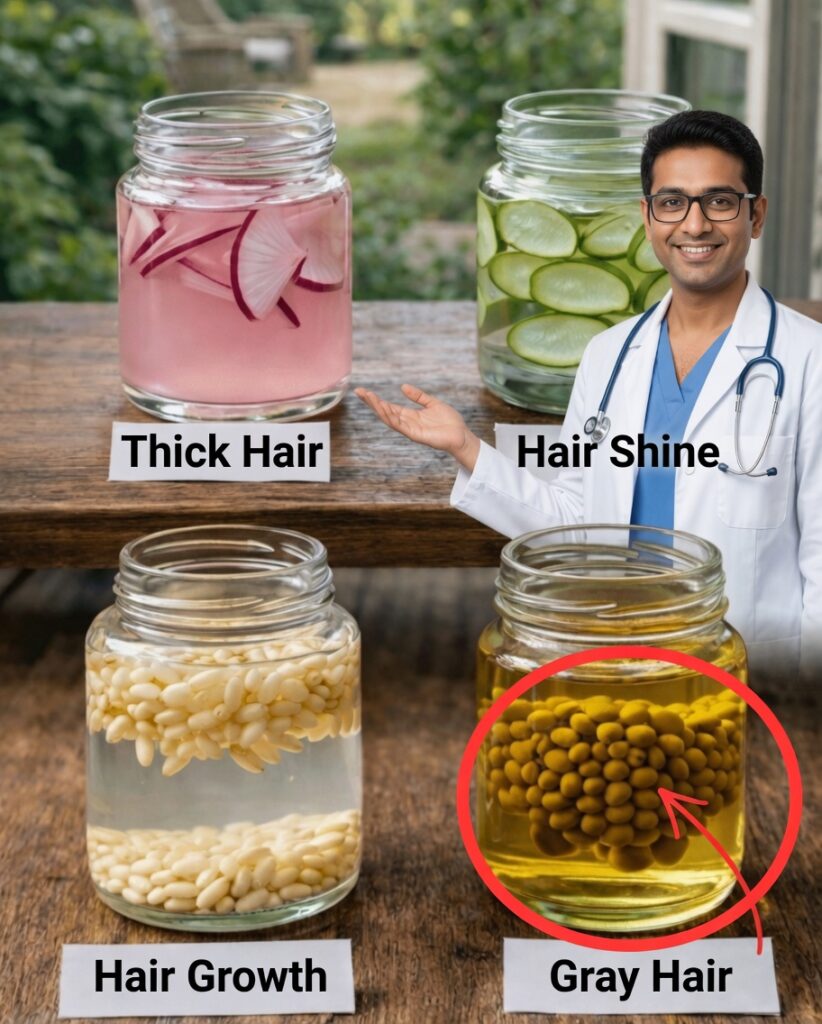
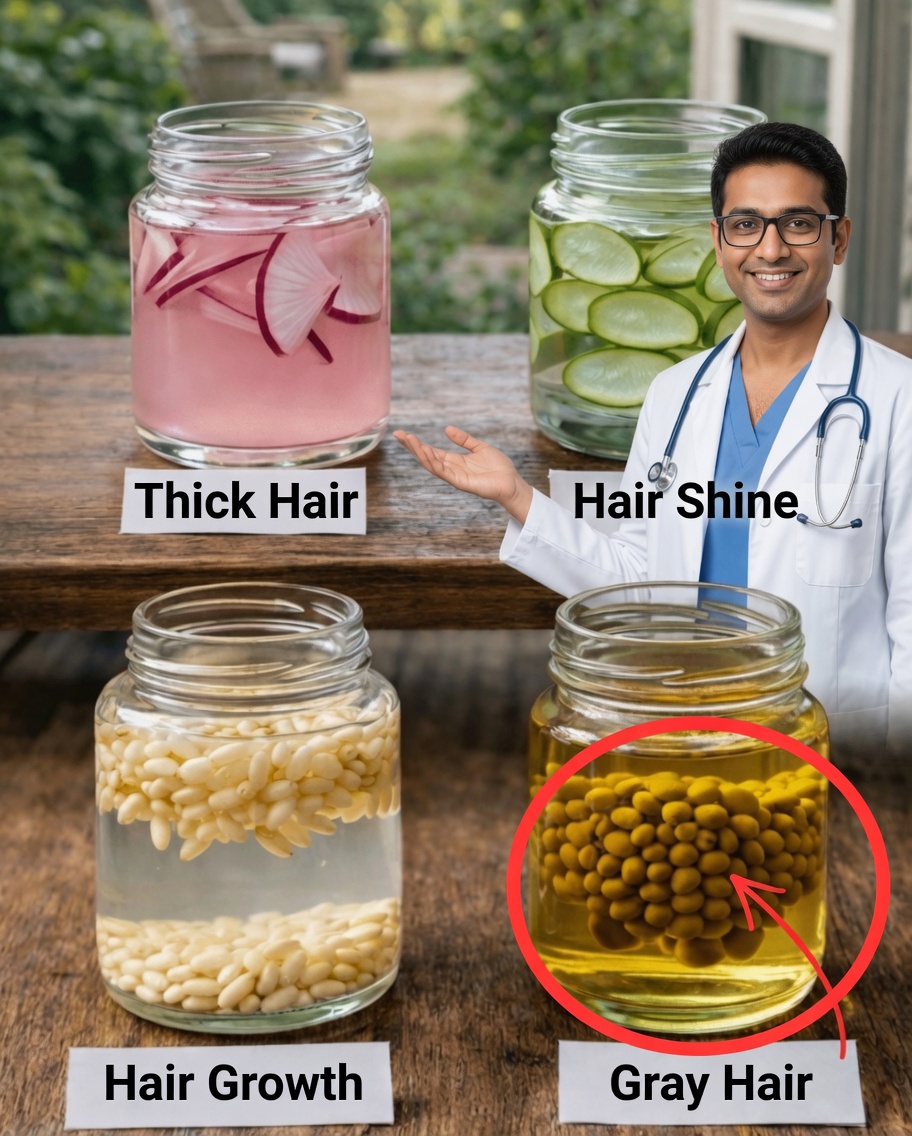
1) Onion Water Rinse for Scalp Nourishment
Onion contains sulfur-based compounds, which may support collagen production and promote a healthier environment for hair growth.
How to make it
- Slice 1 medium red onion
- Add to 2 cups of water
- Let it sit for 8 hours or overnight
- Strain and store the liquid
How to use
- Apply to clean hair
- Massage into the scalp
- Rinse out after 10–15 minutes
- Use 1–2 times per week
2) Aloe Vera Rinse for Hydration and Shine
Aloe vera is widely used for its soothing, moisturizing properties—especially helpful for a dry or irritated scalp.
How to make it
- Scoop gel from 2–3 aloe vera leaves
- Mix 1/2 cup gel with 2 cups water
How to use
- Apply after shampooing
- Leave on for 5–10 minutes
- Rinse thoroughly
- Use once a week
3) Rice Water Rinse for Strength and Elasticity
Rice water contains inositol, a compound often associated with smoother, stronger-feeling strands and less breakage.
How to make it
- Rinse 1/2 cup uncooked rice
- Soak in 2–3 cups water for 30 minutes (or ferment overnight)
- Strain the liquid
How to use
- Apply to clean hair
- Leave on for 10–20 minutes
- Rinse out
- Use 1–2 times per week
4) Fenugreek Seed Rinse for Fuller-Looking Hair
Fenugreek seeds contain proteins and nutrients that may help reinforce hair and create a more voluminous feel.
How to make it
- Soak 2–3 tablespoons fenugreek seeds in 2 cups water overnight
- Strain (or blend for a thicker mixture)
How to use
- Apply to the scalp
- Massage gently
- Rinse after 20 minutes
- Use twice per week
5) Green Tea Rinse for Antioxidant Protection
Green tea is rich in polyphenols, antioxidants that may help protect hair from environmental stressors.
How to make it
- Steep 3–4 green tea bags in 2 cups hot water
- Let it cool completely
How to use
- Use as a final rinse
- No need to rinse out
- Best used weekly
Practical Tips to Get Better Results
- Patch test first to check for irritation or allergies
- Store rinses in glass containers in the refrigerator for up to 1 week
- Massage the scalp gently for 2–3 minutes to support absorption
- Rotate or combine recipes occasionally to diversify benefits
- Support hair health with a balanced diet and adequate hydration
Conclusion: Simple, Gentle Hair Care That Can Add Up
These natural hair rinses offer affordable, low-fuss ways to care for your scalp and strands. While outcomes vary, many people report stronger-looking, healthier-feeling hair with steady use over time.
Start with one rinse, track how your hair responds, and treat it as a small weekly ritual of natural self-care.
Frequently Asked Questions
How often should I use a natural hair rinse?
For most people, 1–2 times per week is enough.
Can these rinses replace conditioner?
Not entirely, but depending on your hair type, they may reduce how often you feel you need conditioner.
Will these rinses change my hair color?
Usually not, though subtle tonal shifts can happen with repeated use in some cases.
Disclaimer: These ideas are based on traditional practices and limited studies. They are not a substitute for medical advice. If you have allergies, scalp conditions, or specific health concerns, consult a qualified professional. Results may vary.