This “Weed” May Support Digestion and Calm the Body—Would You Step on It Without Knowing?
Have you ever felt annoyed watching stubborn little “weeds” pop back up in your garden, even after you’ve carefully cleared the area? In damp spots, they often return even stronger after every rainfall. But what if the plant you’ve been treating as a nuisance actually has hidden value?
By the end of this article, you may start looking at your lawn—and those persistent patches of green—in a very different way.
What Plant Is It?
Often mistaken for ordinary grass, this plant actually belongs to the sedge family (Cyperaceae). It’s commonly known as green kyllinga or fragrant kyllinga (Kyllinga brevifolia).
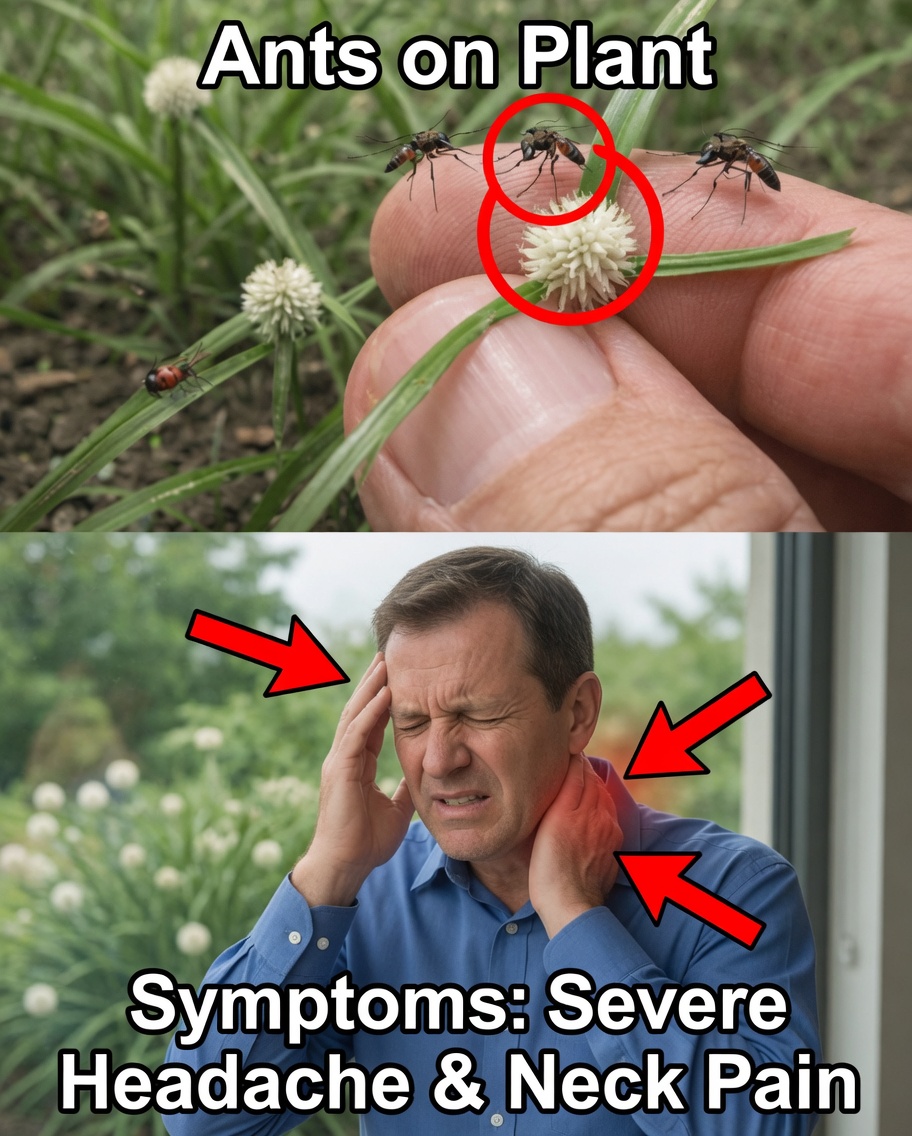
It forms low, carpet-like mats with slender, glossy, bright-green leaves. Its flowers are small, pale (often described as white) and rounded, appearing at the tip of triangular stems—a key feature that helps distinguish it from true grasses.
Because it thrives in moist soil and spreads quickly through underground rhizomes, it frequently shows up in lawns, gardens, and disturbed ground—especially in warm climates. That fast growth is exactly why many people label it a weed. Still, there’s more to it than meets the eye.
How to Identify Green Kyllinga in Your Yard
Look for these common characteristics:
- Dense, low-growing patches that spread like a mat
- Thin, shiny leaves with a vivid green color
- Triangular flower stems (a classic sedge trait)
- Small, rounded, pale flower heads at the top of the stem
- Fine underground roots/rhizomes that help it spread
You’ll most often find it in areas where the ground stays wet or where water tends to collect.
Traditional Uses Around the World
Across parts of Asia, the Pacific, and Africa, green kyllinga has been used in traditional practices for generations. Common folk uses include:
- Rhizome infusions taken to support digestion
- Mild preparations used to encourage relaxation
- Topical applications for minor skin irritation
- Appreciation for naturally occurring antioxidant compounds
In addition, related species in the broader Cyperus group have been discussed in preliminary research for potential anti-inflammatory and antimicrobial activity.
What Does Science Say?
Early research suggests that extracts from Kyllinga brevifolia may have several properties, including:
- Antioxidant activity (helping neutralize free radicals)
- A mild diuretic effect
- Calming or soothing potential
- Possible antimicrobial action
Human studies are still limited, so these findings should be viewed as promising but not conclusive.
Simple, Natural Ways People Use It
Basic Herbal Tea (Traditional-Style Infusion)
- Wash the plant (or rhizomes) thoroughly
- Chop into small pieces
- Dry in the shade for several days
- Use 1–2 teaspoons in hot water
- Steep for about 10 minutes, then strain
External Use for Skin (Traditional Approach)
- Crush fresh leaves
- Mix with a small amount of coconut oil
- Apply to small, mildly irritated areas
Important Safety Tips
- Only harvest from clean, chemical-free locations
- Make sure you have correct identification (sedges can be confusing)
- Avoid use during pregnancy, or if you’re taking medications, unless guided by a qualified professional
Frequently Asked Questions
Is it safe for everyone?
Many traditional uses involve small amounts, but individual responses vary. Start cautiously and stop if you notice any unwanted effects.
Is it the same as “nutsedge” (tiririca)?
Not exactly. Green kyllinga typically has more rounded flower heads and a more compact, mat-forming growth habit.
Is it truly useful—or just a weed?
In lawns it can be invasive, but it also has a long history of traditional use and is being explored for potential natural benefits.
Conclusion
The next time you spot this low-growing plant with rounded pale flower heads in your garden, you may not see it as an enemy anymore. Nature often hides valuable resources in the most overlooked places. With proper knowledge and responsible use, even something that looks ordinary can offer surprising benefits.
Important Notice: This article is for informational purposes only and does not replace medical advice. Consult a qualified healthcare professional before using any plant—especially if you have health conditions or take medications.