
5 Everyday Spices That May Support Kidney Wellness Naturally
Busy schedules often lead to convenient meals that are high in sodium, and over time, that pattern can leave many people feeling sluggish and concerned about their overall health. The encouraging part is that simple pantry spices may offer an easy, flavorful way to diversify your meals while potentially supporting kidney wellness. One spice in particular may even deliver unexpected digestive benefits along with kidney-friendly support.
Why Spices Matter for Kidney Health
For centuries, spices have been valued for more than just flavor. Many also contain plant compounds that may contribute to overall well-being.
Organizations such as the National Kidney Foundation note that several herbs and spices are naturally low in sodium and contain antioxidants, making them a smart alternative to salty seasonings.
Replacing salt-heavy flavorings with pure spices can help make meals more satisfying without working against dietary goals.
To get the most from them, choose fresh or dried spices with no added salt, preservatives, or artificial ingredients.

1. Turmeric: A Golden Spice with Everyday Benefits
Turmeric comes from a root related to ginger and adds a warm, earthy taste to many dishes. Research published in sources such as the Journal of Medicinal Food suggests that turmeric contains curcumin, a compound known for its anti-inflammatory properties, which may help support overall body function, including systems connected to kidney health.
The best part is how easy it is to use. Even a small amount can fit into your regular cooking routine. Try stirring about 1 teaspoon into rice, soups, or scrambled eggs.
What Research Suggests
Early studies indicate that turmeric may help lower oxidative stress in the body. By encouraging a more balanced internal environment, it may offer indirect support for kidney wellness.
Moderation is important. Around 1/2 teaspoon per serving is a practical amount for most recipes.
Easy Ways to Use Turmeric
- Golden milk latte: Heat 1 cup of almond milk, add 1/2 teaspoon turmeric, a pinch of black pepper, and a little honey if desired.
- Turmeric roasted vegetables: Toss carrots and potatoes with olive oil and turmeric, then roast at 400°F for about 20 minutes.
- Low-sodium curry base: Cook onions with turmeric, then add vegetables and your preferred ingredients for a simple homemade curry.
2. Ginger: A Fresh, Zesty Favorite
Ginger is a versatile root with a bright, warming flavor that can instantly lift a recipe. Evidence from publications like the American Journal of Kidney Diseases points to ginger’s potential role in supporting digestion and easing nausea, which may be especially helpful for people keeping a close eye on kidney health.
Its natural compounds, including gingerol, have also been studied for their antioxidant effects.
If you are new to ginger, begin with small amounts. Fresh grated ginger works well in tea, soups, smoothies, and stir-fries.
What Studies Show
Research suggests ginger may help support healthy blood sugar levels, which is relevant because blood sugar balance can influence kidney health over time.
A review in Phytotherapy Research also highlights ginger’s possible benefits for circulation. Fresh ginger is often preferred when aiming for maximum flavor and potency.
Simple Ways to Add Ginger
- Ginger tea: Steep sliced fresh ginger in hot water for 5 minutes, then add lemon if you like.
- Stir-fry booster: Grate about 1 inch of ginger into a vegetable stir-fry with bell peppers and lean protein.
- Smoothie upgrade: Blend ginger with fruits such as pineapple for a refreshing morning drink.

3. Garlic: Big Flavor Without Extra Sodium
Garlic is a kitchen staple known for its bold aroma and strong taste. According to the National Institutes of Health, garlic contains allicin, a compound that may provide antibacterial and antioxidant support, potentially benefiting overall health, including kidney-related wellness.
Another advantage is that garlic boosts flavor naturally, helping reduce the need for extra salt.
Use it fresh for a stronger taste, or keep garlic powder on hand for convenience.
What the Science Says
Some studies suggest garlic may help support healthy blood pressure, an important factor in kidney care.
A meta-analysis published in the Journal of Nutrition also points to garlic’s cardiovascular benefits. A common daily amount is around 1 to 2 cloves.
Garlic Recipe Ideas
- Garlic herb chicken: Rub minced garlic over chicken breasts and bake at 375°F for about 25 minutes.
- Quick salad dressing: Combine crushed garlic with olive oil and vinegar.
- Soup starter: Sauté garlic before adding broth and vegetables for a flavorful base.
4. Cinnamon: Sweet, Warm, and Versatile
Cinnamon comes from tree bark and brings a naturally sweet-spicy flavor to both savory meals and desserts. Research published in Diabetes Care suggests cinnamon may help support blood sugar regulation, which can be relevant for kidney wellness.
Its flexibility is one of its biggest strengths. You can use it in breakfast bowls, teas, baked fruit, or even hearty stews.
Key Research Highlights
Evidence suggests the polyphenols in cinnamon may help reduce inflammation.
If possible, choose Ceylon cinnamon, which has a milder flavor and is often preferred for regular use.
Practical Ways to Enjoy Cinnamon
- Cinnamon oatmeal: Stir 1/2 teaspoon into cooked oats and top with fruit.
- Spiced tea: Add a cinnamon stick to black tea for a warming drink.
- Baked apples: Core apples, sprinkle with cinnamon, and bake until soft.
5. Cumin: Earthy Flavor with a Digestive Bonus
Cumin, whether used as seeds or ground powder, gives meals an earthy, slightly nutty depth. Research in the International Journal of Molecular Sciences suggests cumin may support digestion, which can indirectly benefit kidney wellness as part of a healthier overall system.
This is also the spice with the surprising gut-health angle. Some studies suggest cumin may help improve nutrient absorption, adding another layer of support for general well-being.
For the best flavor, lightly toast whole seeds before using them.
Potential Benefits Backed by Evidence
Cumin contains compounds such as thymoquinone, which may help protect the body from oxidative damage.
Start with small amounts and build gradually based on your taste preferences.
Everyday Ways to Use Cumin
- Cumin rice: Add 1 teaspoon to rice while it cooks for extra aroma.
- Vegetable sauté: Sprinkle cumin over zucchini, onions, or carrots as they cook.
- Homemade spice blend: Mix cumin with turmeric, garlic powder, or cinnamon for a custom seasoning mix.
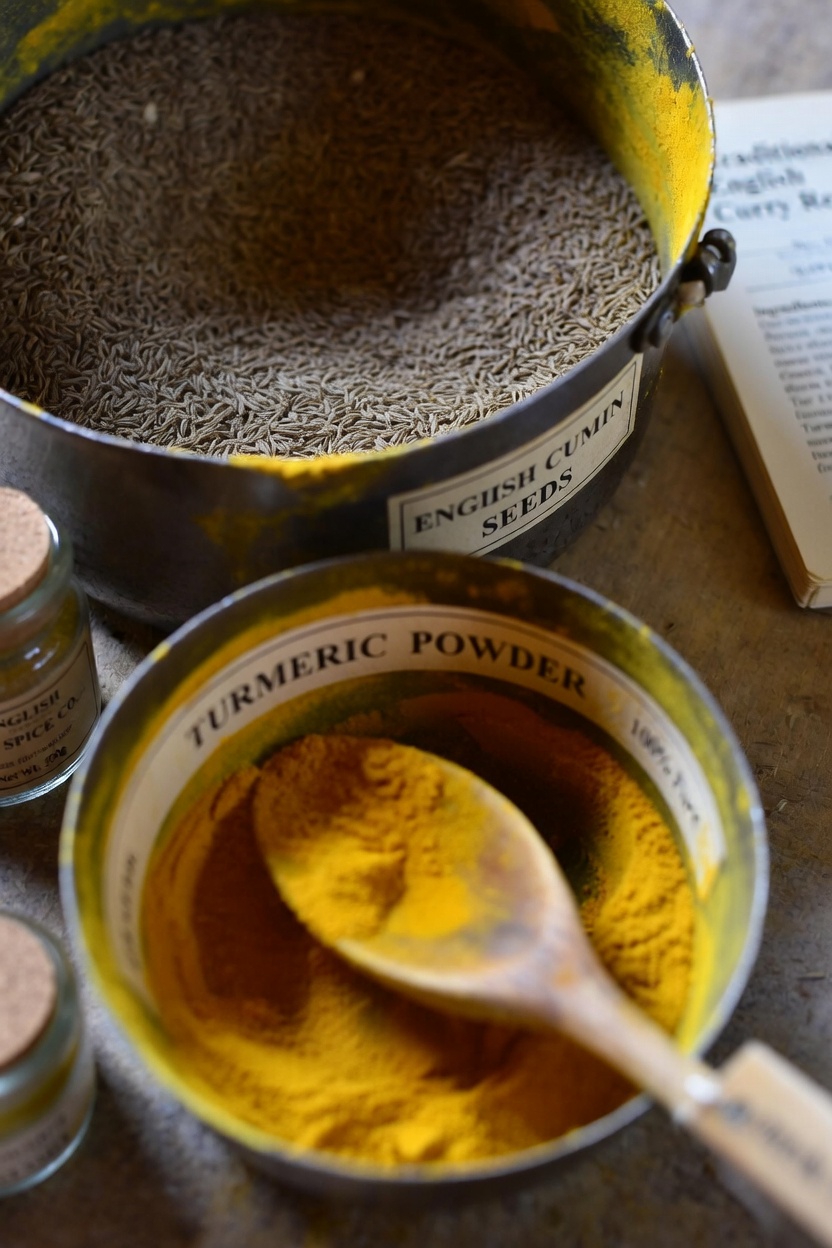
Quick Comparison of These Kidney-Friendly Spices
| Spice | Flavor Profile | Potential Support Areas | Easy Way to Use |
|---|---|---|---|
| Turmeric | Earthy, warm | Inflammation, oxidative stress | Golden milk |
| Ginger | Sharp, zesty | Digestion, nausea, circulation | Tea |
| Garlic | Bold, pungent | Antioxidant support, blood pressure | Stir-fries |
| Cinnamon | Sweet-spicy | Blood sugar balance, inflammation | Oatmeal |
| Cumin | Earthy, nutty | Gut health, digestion, nutrient absorption | Rice |
Tips for Adding More Spices to Your Routine
Using spices regularly does not have to be complicated. A few simple habits can make the transition easy:
- Combine spices for deeper flavor, such as turmeric and cumin in soups or stews.
- Store spices in a cool, dark place to help preserve freshness.
- Choose low-sodium cooking methods so the spices remain the star.
- Speak with a nutrition professional if you need personalized dietary guidance.
Final Thoughts: Small Changes, Big Flavor
Adding turmeric, ginger, garlic, cinnamon, and cumin to your meals is a simple and delicious way to explore added support for kidney wellness. These spices can make healthy eating more enjoyable while helping reduce reliance on salt-heavy seasonings.
The key is consistency, not excess. Start with one spice, use it regularly, and gradually build from there.
Frequently Asked Questions
What are the easiest ways to use these spices every day?
Start simple with tea, oatmeal, rice, roasted vegetables, or soups. Recipes like golden milk, ginger tea, and cumin rice are beginner-friendly and take very little time.
Should I take any precautions when using these spices for kidney support?
Yes. Use them in moderate amounts and be aware of possible interactions with medications. Fresh or pure dried versions are often the best choice. If you have a medical condition, check with your healthcare provider.
Can spices replace treatment or medical advice for kidney issues?
No. These spices can be helpful additions to a balanced diet, but they are not a substitute for professional medical care or treatment.
Educational Disclaimer
This content is provided for educational purposes only and should not be considered medical advice. Always consult your healthcare provider before making dietary changes, especially if you have kidney concerns or any existing medical condition.