Neck Pain and Constant Fatigue? Try This 4-Minute Natural Routine and Ease Tension Within the First Week
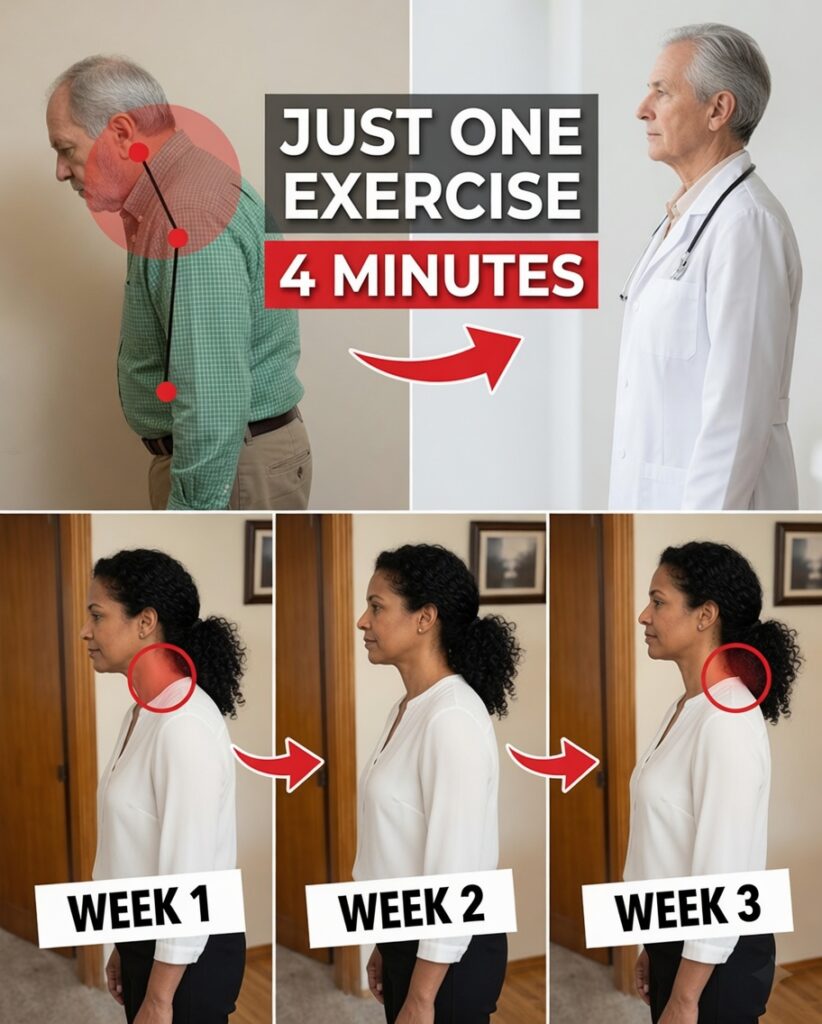
After age 60, many people begin to notice subtle changes: the head drifting forward, shoulders rounding, and a more hunched upper back becoming the “new normal.” Everyday movements may start to feel heavier, more tiring, and less comfortable.
This posture shift isn’t only about appearance. It can contribute to neck pain, ongoing fatigue, shorter breathing, and even a sense of unsteadiness while walking.
But is this simply an unavoidable part of aging? What if a simple 4-minute daily routine could help you improve posture in a natural, safe way? Keep reading—you may be surprised by how quickly your body can respond.
Why Forward Head Posture Becomes More Common After 60
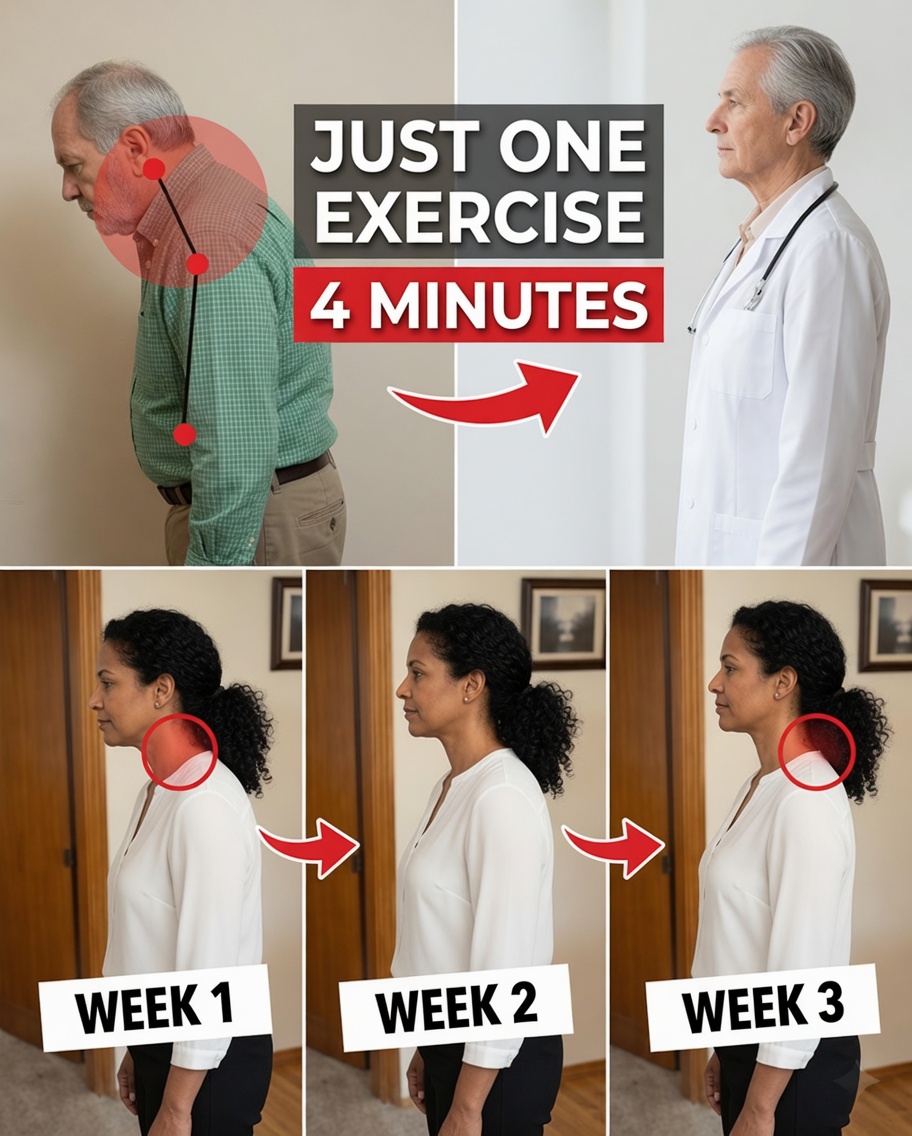
Over the years, habits like looking down (at a phone, during reading, or while doing household tasks) combined with decades of less-than-ideal posture can gradually round the upper spine. Research suggests that up to 68% of adults over 65 show some degree of this issue.
And it’s not just cosmetic. As the head moves forward, the load on the cervical spine increases substantially with each small shift. This extra stress can:
- Irritate or compress nerves
- Reduce healthy blood flow toward the head
- Contribute to balance changes and instability
The encouraging part: this pattern can often improve—and it doesn’t require forcing your body. The key is gentle, consistent retraining.
Why This 4-Minute Routine Works So Well
After 60, better posture is less about “stronger muscles” and more about improving the brain–body connection. Slow, mindful movements help your nervous system relearn a healthier alignment—without strain.
This routine uses four simple steps and takes about 4 minutes total.
The 4-Step Posture Routine (4 Minutes Total)
1) Sensory Neck Warm-Up (60–90 seconds)
Sit comfortably. Slowly turn your head side to side, then move gently up and down, followed by small side bends.
- Breathe deeply
- Stay in a pain-free range (no forcing)
Benefit: improves body awareness and helps release built-up tension.
2) Chin Retraction with Shoulder Activation (60 seconds)
Sit tall. Lightly draw your shoulder blades back and down, then glide your head straight backward (avoid tilting up or down). Hold for 10–15 seconds, repeat 3 times.
Benefit: activates deep neck support muscles and improves head–neck alignment.
3) Passive Towel Traction (60 seconds)
While seated, place a rolled towel under the base of your skull. Relax your jaw and shoulders, allowing the neck to lengthen gently.
Benefit: reduces compression and supports a more natural neck curve.
4) Chest (Thoracic) Opening (60–90 seconds)
Lie down with a towel placed across the mid-back area (not the lower back). Open your arms to the sides and take slow, deep breaths.
Benefit: improves breathing capacity and helps reverse upper-back rounding.
Simple Tips to Get Better Results
- Do the routine after waking or after long periods of sitting
- Attach it to an existing habit (for example, right after brushing your teeth)
- Check your posture in the mirror once per week
- Practice deep breathing throughout the day to reduce tension patterns
The Most Important Takeaway
Posture is not only physical—it’s also nervous system memory. This routine supports your body in “remembering” how to stack the head, neck, and upper back in a more natural way—without effort or strain.
Imagine yourself 30 days from now: standing taller, feeling lighter, breathing more freely, and moving with more confidence.
Frequently Asked Questions
When will I notice results?
Many people feel some relief within the first week. Visible posture changes often appear in 2–4 weeks, especially with daily practice.
Is it safe for older adults?
This is a gentle routine, but if you have persistent pain, osteoporosis, dizziness, or balance problems, check with a qualified healthcare professional before starting.
Can I modify it?
Yes. You can do every step seated, reduce the range of motion, and keep everything comfortable.
Start Today: 4 Minutes Can Change How You Feel Every Day
Consistency matters more than intensity. Give your body four minutes a day—and let small, gentle changes add up to better posture, less tension, and more ease in daily life.