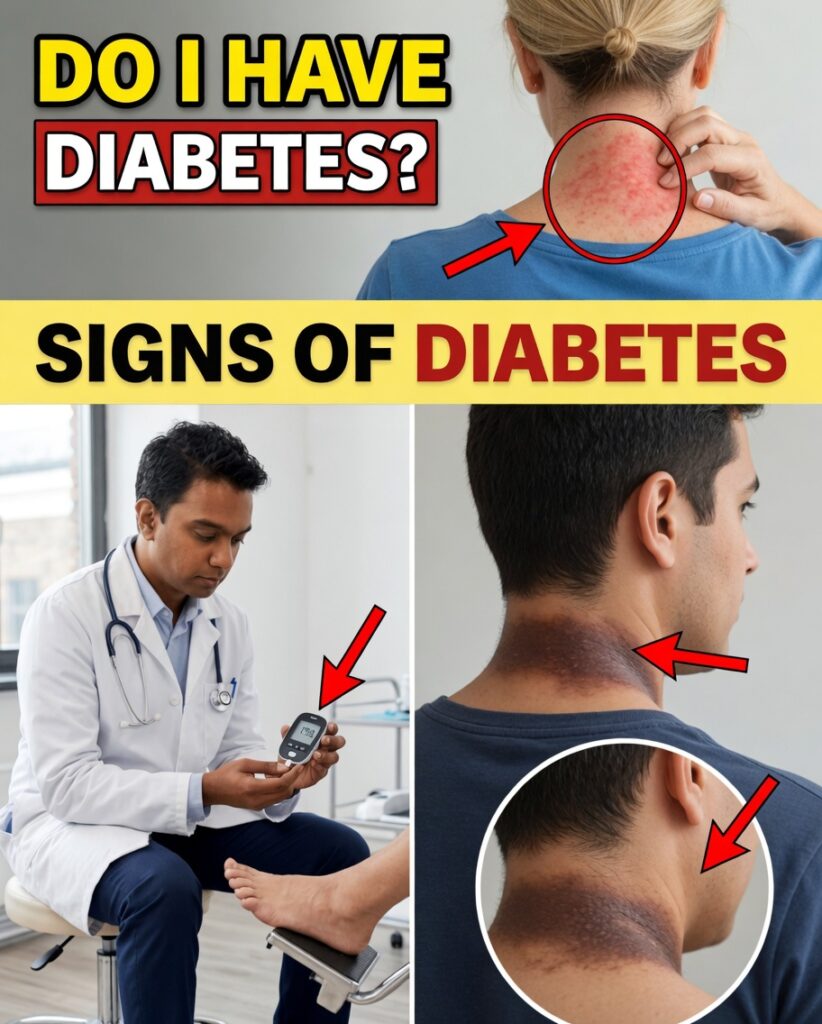
Don’t Ignore These 10 Warning Signs: Early Diabetes Clues and Natural Steps to Take Before It Gets Worse
Many people live with diabetes for years without realizing it. Small changes in the body are often brushed off as stress, a busy routine, or “just getting older.” Constant tiredness, minor discomforts, and day-to-day issues can start to feel normal—even when they aren’t.
What if your body is already sending early warning signals? The good news: spotting these signs early can help you take action in time. There’s also one skin-related sign that many people overlook completely—keep reading to learn what it is.
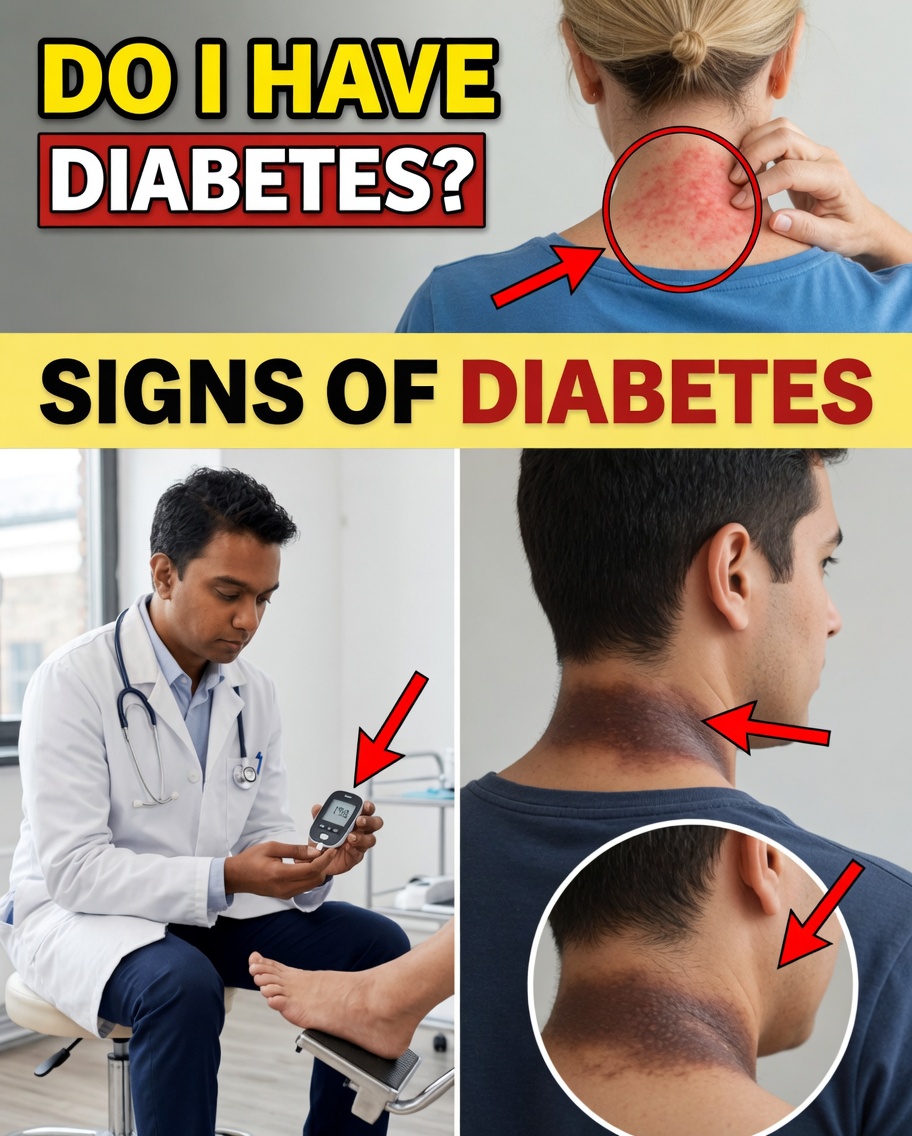
Why Paying Attention to Early Symptoms Matters
Diabetes develops when the body struggles to regulate blood sugar (glucose) properly. Over time, consistently high blood sugar can affect your energy levels, skin, nerves, circulation, and multiple organs.
Organizations such as the American Diabetes Association emphasize that early detection can open the door to simple lifestyle changes that significantly improve long-term health outcomes.
The challenge is that early diabetes symptoms are often subtle, easy to dismiss, and can look like common everyday issues.
10 Early Signs of Diabetes You Should Watch For
If several of the symptoms below feel familiar, it’s a strong reason to seek professional guidance and consider a blood sugar test.
-
Frequent urination
Needing to urinate more often—especially at night—can happen when excess sugar in the blood forces the kidneys to work harder, producing more urine. -
Excessive thirst
A dry mouth and a constant urge to drink water may be linked to fluid loss from frequent urination. -
Ongoing fatigue
Feeling drained even after rest can occur when glucose isn’t entering the body’s cells efficiently, leaving you low on usable energy. -
Increased hunger
Getting hungry again soon after eating may signal that your body isn’t using glucose effectively. -
Blurred vision
Sudden changes in vision can result from shifts in fluid levels in the eyes triggered by elevated blood sugar. -
Slow-healing cuts or wounds
If small injuries take longer to heal, it may be connected to impaired circulation and slower tissue repair. -
Frequent infections
Urinary tract infections, skin infections, or recurring yeast infections can become more common because higher sugar levels can support microorganism growth. -
Tingling or numbness in hands and feet
“Pins and needles” sensations or numbness may be an early sign of nerve changes. -
Unexplained weight loss
In some cases, the body starts breaking down fat and muscle for energy when it can’t use glucose properly. -
Dark, velvety patches of skin
A commonly missed clue: darker, thicker, velvet-like areas on the neck, armpits, or groin. This is known as acanthosis nigricans and is often associated with insulin resistance.
Key Risk Factors to Consider
Your likelihood of developing diabetes may be higher if you:
- Have a family history of diabetes
- Are overweight or carry excess abdominal fat
- Have a sedentary lifestyle
- Are over age 45
- Had gestational diabetes during pregnancy
- Have high blood pressure or elevated cholesterol
What You Can Do Right Now (Natural, Practical Steps)
If you recognize some of these warning signs, start with simple, realistic actions:
- Schedule a visit with a healthcare professional for blood glucose testing
- Track and write down symptoms (frequency, timing, intensity)
- Drink enough water throughout the day
- Focus on whole, high-fiber foods (vegetables, legumes, whole grains)
- Aim for at least 30 minutes of walking daily
- Cut back on sugary drinks (sodas, sweetened juices, energy drinks)
These habits support healthier blood sugar regulation and help your body restore balance.
When to Seek Medical Help Quickly
Get prompt medical advice if you notice:
- Intense, persistent thirst and/or very frequent urination
- Rapid, unexplained weight loss
- Significantly worsening vision
- Infections that keep returning or are getting worse
Conclusion: Your Health Starts With Awareness
Noticing these 10 signs—from frequent bathroom trips to specific skin changes—can be the first step toward taking control of your health. The earlier you act, the better your chances of protecting your energy, well-being, and quality of life.
Remember: information is power.
Frequently Asked Questions
-
Do diabetes symptoms appear suddenly?
In type 2 diabetes, symptoms often develop slowly. In type 1 diabetes, they can appear much more quickly. -
Do men and women experience different symptoms?
Many symptoms are similar, but women may experience more frequent infections, such as yeast infections. -
If I have a few symptoms, does that mean I have diabetes?
Not necessarily. However, if multiple signs are present, it’s important to investigate with a professional and get tested.
Medical Disclaimer
This content is for informational purposes only and does not replace medical advice. Always consult a qualified healthcare professional for diagnosis, testing, and appropriate follow-up.